
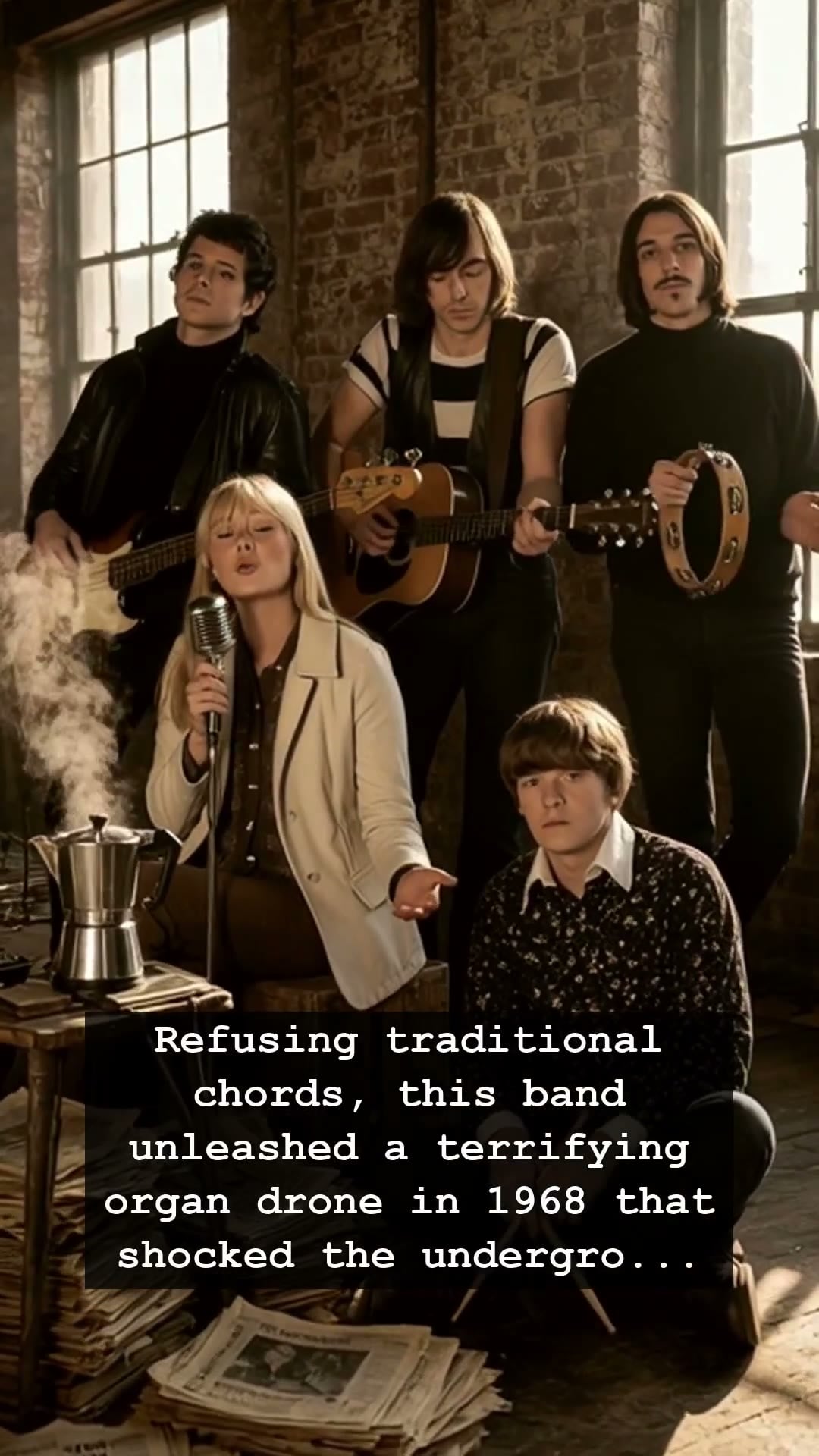
Picture a dimly lit studio in 1968. The air is thick with the scent of cheap cigarettes and the palpable tension of a band that refused to play by the rules. While the rest of the world was dancing to the polished harmonies of the era, The Velvet Underground was busy constructing something far more dangerous. They weren’t interested in your standard three-chord progressions or radio-friendly choruses. Instead, they unleashed a relentless, hypnotic organ drone that sounded less like music and more like a fever dream manifesting in the physical world. It was a sound so raw and chaotic that it genuinely terrified the recording executives, who were accustomed to the sanitised pop of the time.
This sonic anomaly was the brainchild of Lou Reed and John Cale, a duo whose artistic collision redefined the boundaries of what rock music could achieve. Long before the term alternative became a marketing buzzword, The Velvet Underground was already living in the fringes, operating in the shadows of the Factory scene. They were the antithesis of the flower power movement, choosing to explore the gritty, uncomfortable truths of urban existence. When that screeching, distorted organ finally pierced the airwaves, it didn’t just break the rules; it dismantled the entire establishment of convention. It was an assault on the senses, a primal scream caught on magnetic tape that left listeners both disoriented and addicted.
To understand the magnitude of this moment, you have to remember the cultural landscape of the late sixties. The Jukebox was typically filled with upbeat melodies, and the radio was dominated by safe, predictable hits. When a listener dropped the needle on a record by The Velvet Underground, they weren’t just hearing a song; they were witnessing a cultural sabotage. The band’s refusal to conform to mainstream expectations made them pariahs to some, but to the budding misfits and poets of the era, they were a revelation. That infamous, terrifying drone represented the dark underbelly of the American Dream, a sound that resonated with the alienation and complex beauty of living in the heart of the concrete jungle.
What makes this story so enduring is that the group’s influence far outpaced their initial commercial success. They walked the line between high art and street-level squalor, influencing generations of musicians who would later pick up guitars because they heard a whisper of truth in the chaotic noise. The Velvet Underground captured the paranoia, the beauty, and the sheer desperation of their time with a brutal honesty that remains unmatched. They proved that you didn’t need technical perfection to create a masterpiece; you only needed the courage to be brutally, unflinchingly yourself.
Decades later, we still reach for those records when the world feels too plastic. The echo of that distorted organ still rings out, a reminder of a time when rock music was a weapon for truth rather than a commodity. The Velvet Underground didn’t just leave us with songs; they left us with a blueprint for creative independence. So, the next time you find yourself craving something real, something that cuts through the static of modern life, remember that drone. It is still out there, hiding in the grooves of old vinyl, waiting to remind you that even the most terrifying sounds can eventually become the soundtrack to your soul.