
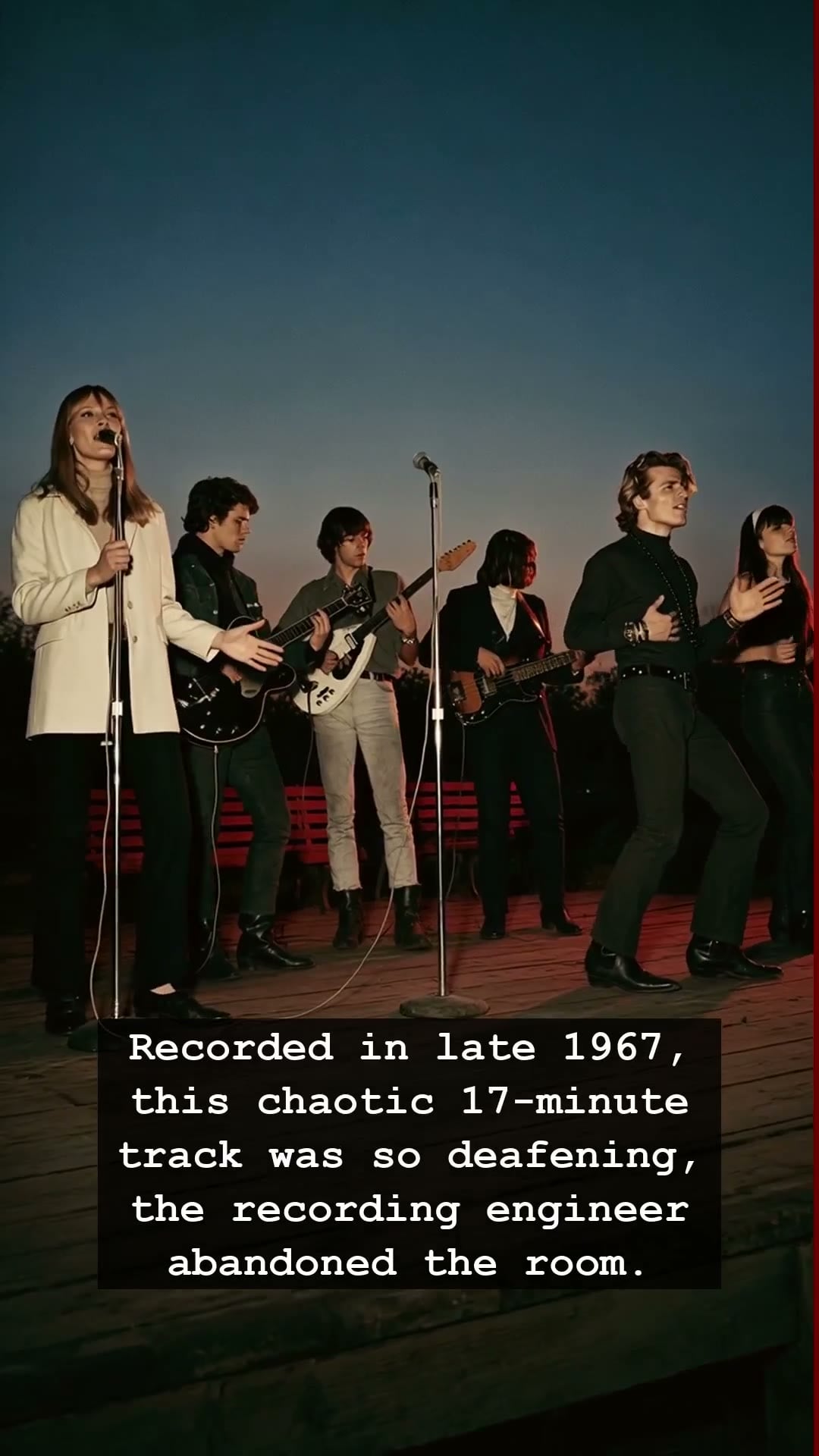
It was late 1967, and the air inside the studio was thick with the smell of stale cigarettes and the hum of tortured equipment. The Velvet Underground had gathered to record, but they weren’t interested in a radio-friendly three-minute pop song. They wanted to capture the sound of a nervous breakdown translated into frequencies. As Lou Reed and his bandmates cranked their amplifiers until the speakers groaned in agony, a seventeen-minute sonic assault began. It was so piercing, so discordant, and so relentlessly deafening that the recording engineer didn’t even argue. He simply stared at the board in total disbelief, threw his hands up in defeat, and walked right out of the studio, leaving the tape rolling in the silence of his absence.
That moment defines the raw, uncompromising essence of The Velvet Underground. Long before the polished gloss of the eighties or the synthesized perfection of later decades, this group operated in a space between high art and street-level grit. While their peers were chasing the sunny optimism of the Summer of Love, The Velvet Underground were busy documenting the shadows of New York City. They didn’t care about pleasing the charts or the burgeoning radio moguls; they cared about the tension inherent in the electric guitar. This seventeen-minute jam session stands as a testament to their philosophy that music should be felt as a physical presence, a wall of sound that could either heal you or break you.
To understand this era is to understand the friction between the avant-garde and the mainstream. The Velvet Underground was the brainchild of Lou Reed and John Cale, a partnership built on conflicting genius. Their work, heavily influenced by the industrial clatter of the city and the literary underground, became a cult legend that would eventually change the trajectory of rock music forever. Though they were largely ignored by the commercial machinery of the time, their influence eventually bled into every corner of punk, alternative, and experimental rock. That recording session, where an engineer fled the room in pure frustration, is the perfect metaphor for a band that constantly pushed listeners past their breaking point.
Looking back, we see that the chaos they captured wasn’t just noise; it was an act of defiance against the status quo of the mid-sixties. Their legacy is not found in gold records or massive stadium tours, but in the gritty, authentic stories that remain etched in the grooves of their original vinyl. They were the architects of a dark, beautiful reality that felt more honest than anything else on the airwaves. Every crackle of the tape from that legendary session serves as a reminder that true art often begins where comfort ends.
Even today, decades after they first plugged into those fragile amplifiers, The Velvet Underground remains a beacon for those who crave music with teeth. Their story continues to echo through time, reminding us that sometimes, the most important music is the kind that scares the professionals away. If you listen closely, you can still hear that studio engineer’s footsteps fading into the distance, leaving only the music behind to tell its unforgettable, chaotic truth.