
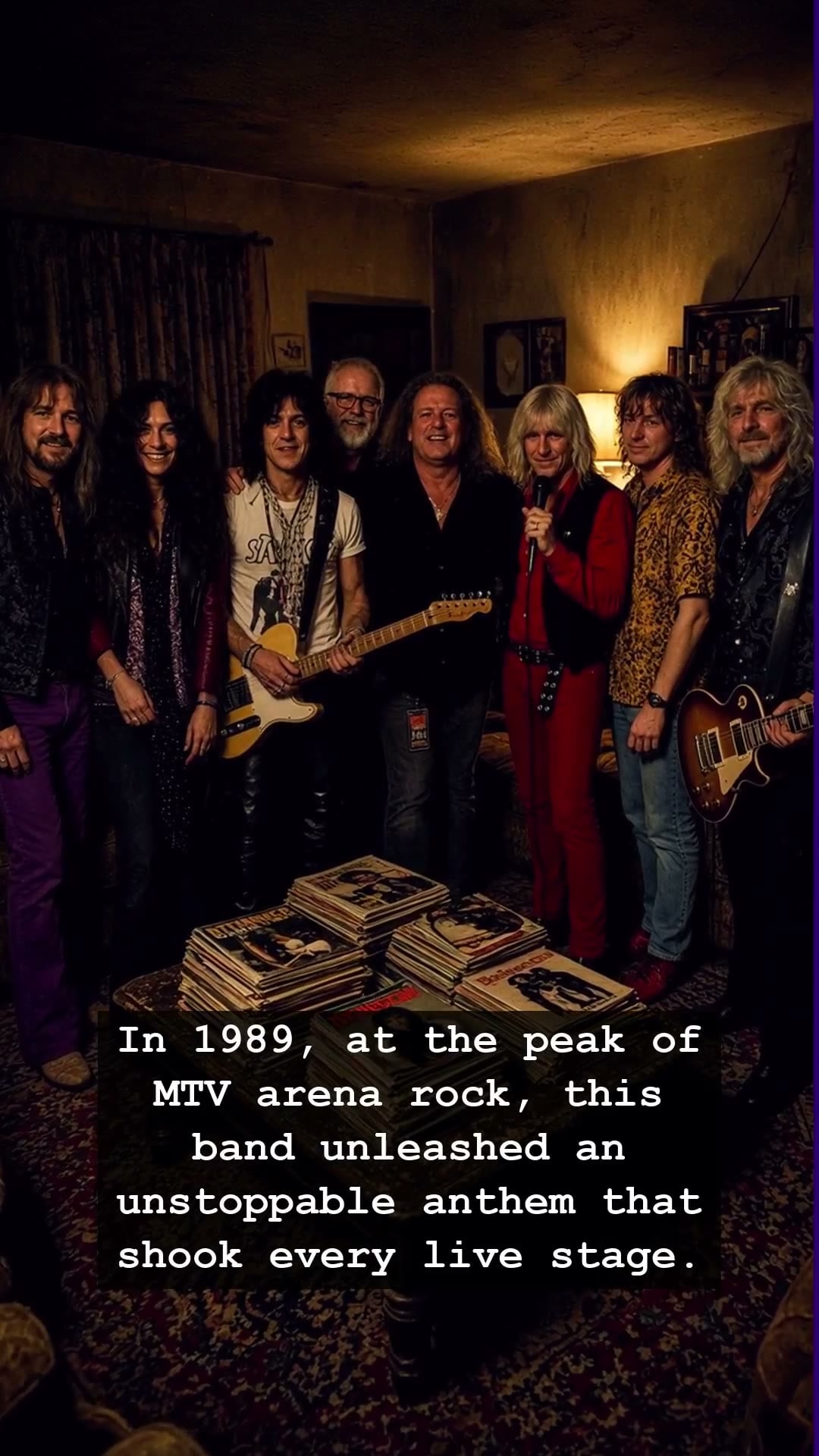
It was 1989, and the world of MTV arena rock was a kingdom of hairspray, leather, and overblown egos. While the Sunset Strip giants were busy self-destructing, a band from Maryland named Kix was quietly preparing to hijack the charts with a ballad that would become the anthem of a generation. You remember the moment—the lights dimmed, the crowd held their breath, and that unmistakable opening riff cut through the smoky air of every arena in America. It was the era of the Walkman and the power ballad, but Kix delivered something that felt dangerously real, a song that tore through the noise like wildfire.
The track, Don’t Close Your Eyes, wasn’t just a hit; it was a phenomenon that propelled Kix into the stratosphere of glam metal legend. Yet, behind the scenes, the band’s journey was far from the glamorous image projected on television screens. Formed in the late seventies, Kix spent a decade grinding through the gritty club circuit, battling the constant pressure of an industry that preferred trends over talent. They were the blue-collar heroes of hard rock, playing with a ferocity that often overshadowed the polished acts of the day. For members like Steve Whiteman and Brian Forsythe, the sudden explosion of success in 1989 was a double-edged sword that brought both fame and the crushing weight of expectation.
There was a raw, unpolished honesty to the music of Kix that separated them from the manufactured pop-metal acts of the era. While many bands focused on hedonism, this group tapped into a deeper, more melancholic vein of the American psyche. The song itself became a cultural touchstone, a staple of every high school dance and late-night drive during the final gasp of the decade. It captured the desperate, fleeting nature of youth in a way that resonates even now, standing as a testament to a time when rock music felt like the only language that mattered.
However, the story of Kix is also one of resilience amidst the shifting tides of musical history. Just as they hit their stride, the ground beneath them began to tremble. The music industry was about to trade glam metal for the raw, unrefined sound of grunge, leaving bands like Kix in a difficult position. They had lived the life, survived the road, and experienced the highs of arena stardom, but the rapid decline of the hair metal scene forced them to reckon with a new reality. They didn’t fold, though; they continued to embody the spirit of those high-octane stages long after the MTV spotlight dimmed.
Decades later, when you hear those chords today, it still feels like 1989. You are transported back to a time of neon lights and vinyl, reminded of why we fell in love with rock and roll in the first place. Kix proved that sometimes, the bands that never quite fit the mold are the ones that leave the most lasting mark on our memories. Do you remember where you were when you first heard it? Let the melody take you back just one more time.