
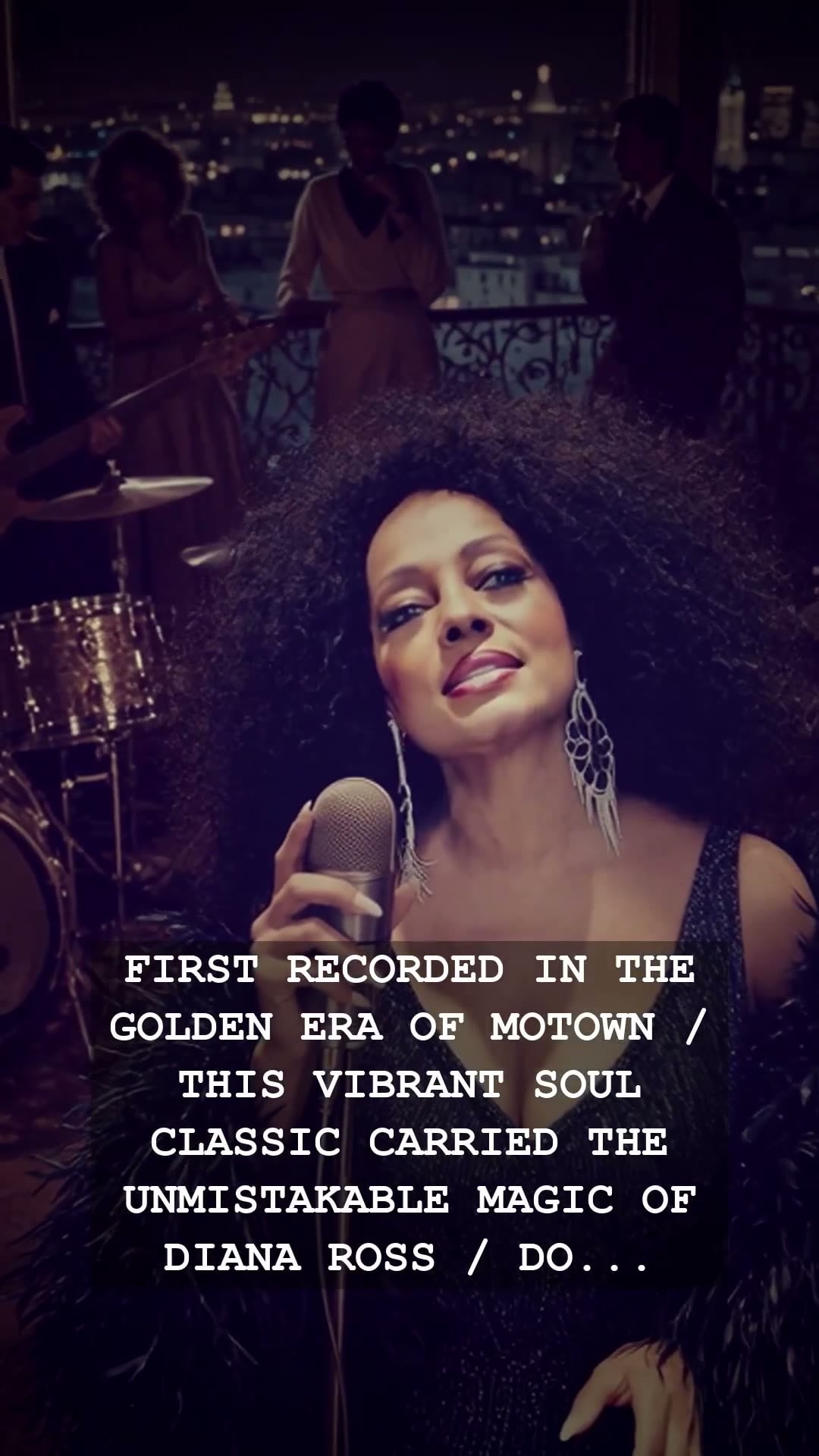
It was the sound of a generation, a shimmering sonic tapestry woven in the heart of Detroit that defined an entire decade. Before the era of digital saturation, before the cold precision of modern production, there was the unmistakable warmth of a golden age. You remember the sound: a snap of the fingers, a brass swell, and then, that voice. It is the voice of Diana Ross, an artist whose presence became synonymous with the Motown revolution. Whether you were spinning a vinyl record on a dusty turntable or catching a glimpse of her elegance on a flickering television set, Diana Ross possessed an ethereal magnetism that transcended simple pop stardom, capturing the very soul of mid-century America.
To understand the gravity of her impact, one must look back at the legendary Hitsville U.S.A. studio. This was a place where dreams were manufactured with the intensity of a factory line and the soul of a cathedral. As the lead of The Supremes, Diana Ross became the face of a movement that shattered cultural barriers. Yet, behind the polished gowns and the perfectly choreographed routines lay a grueling reality. The pressure to remain at the pinnacle of the charts was immense, often leading to internal rifts and the silent, crushing weight of maintaining perfection in an industry that demanded everything from its stars. The drama of the Motown machine was not just in the music, but in the fierce competition and the fragile alliances formed under the bright studio lights.
There is a specific, vibrant soul classic that serves as a time capsule for this period. Even today, the opening chords feel like a key turning in a long-locked door of memory. It captures that unique intersection of heartbreak and resilience that only Diana Ross could master. When she sang, it felt as though she were whispering secrets directly into the ear of the listener, turning every radio into a confessional booth. It was this intimate connection that made her reach beyond the constraints of the 1960s, influencing the soundscapes that would eventually lead us toward the disco era and beyond.
Yet, the narrative of Diana Ross is not merely one of chart-topping success; it is a story of survival and transformation. While the world saw the glamour, there were moments of profound isolation—the reality of being a Black woman navigating the treacherous waters of fame in a segregated era. She stood at the center of a cultural earthquake, yet she remained poised, a beacon of grace in a storm of ambition. Her journey from the housing projects of Detroit to the global stage remains a testament to the sheer power of human willpower fueled by an undeniable, God-given talent.
As we look back through the lens of history, it is easy to forget the grit that fueled the glamour. We often recall the melodies, but we sometimes overlook the emotional landscape from which they emerged. Diana Ross remains a central figure because she refused to be a static icon; she evolved, she struggled, and she persisted. When you listen to those classic tracks today, you are not just hearing a song; you are hearing the echo of a revolution that changed the course of popular music forever. Does the magic still hold for you, or has the rhythm faded into the background of your own changing life?