
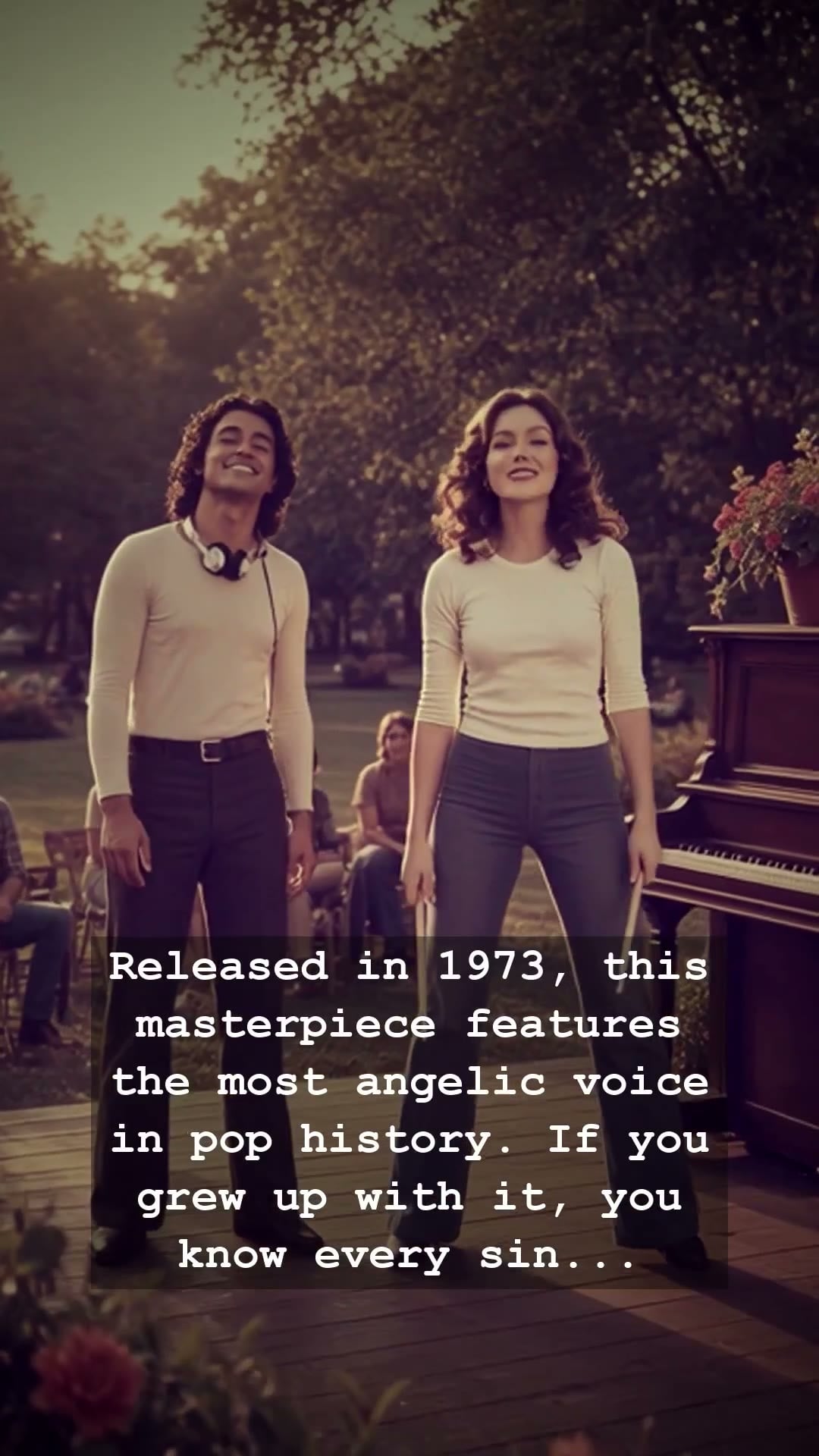
In 1973, when the radio dial hummed with the electric distortion of budding glam rock, a voice emerged that sounded like pure, unadulterated sunshine. It was the velvet tone of Karen Carpenter, a woman whose vocal clarity cut through the noise of the era like a beacon. For millions of listeners, her music was the golden thread tying their childhoods together, playing softly from the wood-paneled stereos and the portable radios of the day. But behind that warm, angelic timbre that defined a generation, there existed a reality far more brittle than the polished vinyl records suggested.
Karen Carpenter was the heart of a sound that felt timeless, yet she was constantly fighting the shadows of an industry that demanded perfection. While she topped the charts, the late seventies and early eighties were becoming a landscape of excess. Outside the recording booth, the rise of the Walkman allowed fans to retreat into the intimacy of her songs, creating a private, parasocial sanctuary. However, as the world fell in love with the flawless resonance of her voice, the woman behind the microphone was spiraling into the dark, suffocating grips of an eating disorder that remained largely misunderstood by the public and the media of the time.
There is a profound, aching irony in the legacy of Karen Carpenter. Her music was the ultimate soundtrack for rainy Sundays and introspective drives, offering comfort to everyone except, perhaps, herself. She was the picture of suburban grace in an era that was rapidly shifting toward the raw, abrasive energy of punk and the synthesized gloss of the coming decade. Despite the changing tides of musical fashion, she stayed tethered to a purity that felt increasingly out of place. Her struggles were not merely personal; they were the consequence of an unrelenting spotlight that refused to acknowledge the human cost of maintaining a public image of pristine, untouched beauty.
Looking back, we realize that we didn’t just listen to her songs—we lived them. From the heartbreak of Yesterday Once More to the longing in her ballads, Karen Carpenter gave us a vocabulary for our own unspoken emotions. She was the voice that accompanied the first heartbreak, the graduation dance, and the quiet moments of solitude. The tragedy of her passing in 1983 remains a sobering reminder of the fragility behind the legends that soundtracked our lives. We often view these icons through a lens of nostalgia, forgetting that they were not just voices on a record, but individuals carrying immense weight under the flicker of the stage lights.
Today, when you hear a Karen Carpenter track drifting through a coffee shop or playing on a dusty jukebox, pay attention to the space between the notes. That is where you find the truth of her experience. Her music endures not because it was perfect, but because it was deeply human, echoing the vulnerability we all recognize in ourselves. She remains, forever, the velvet voice of a generation, a beautiful ghost who taught us how to feel, even when she could no longer find the strength to hold on to the light.