
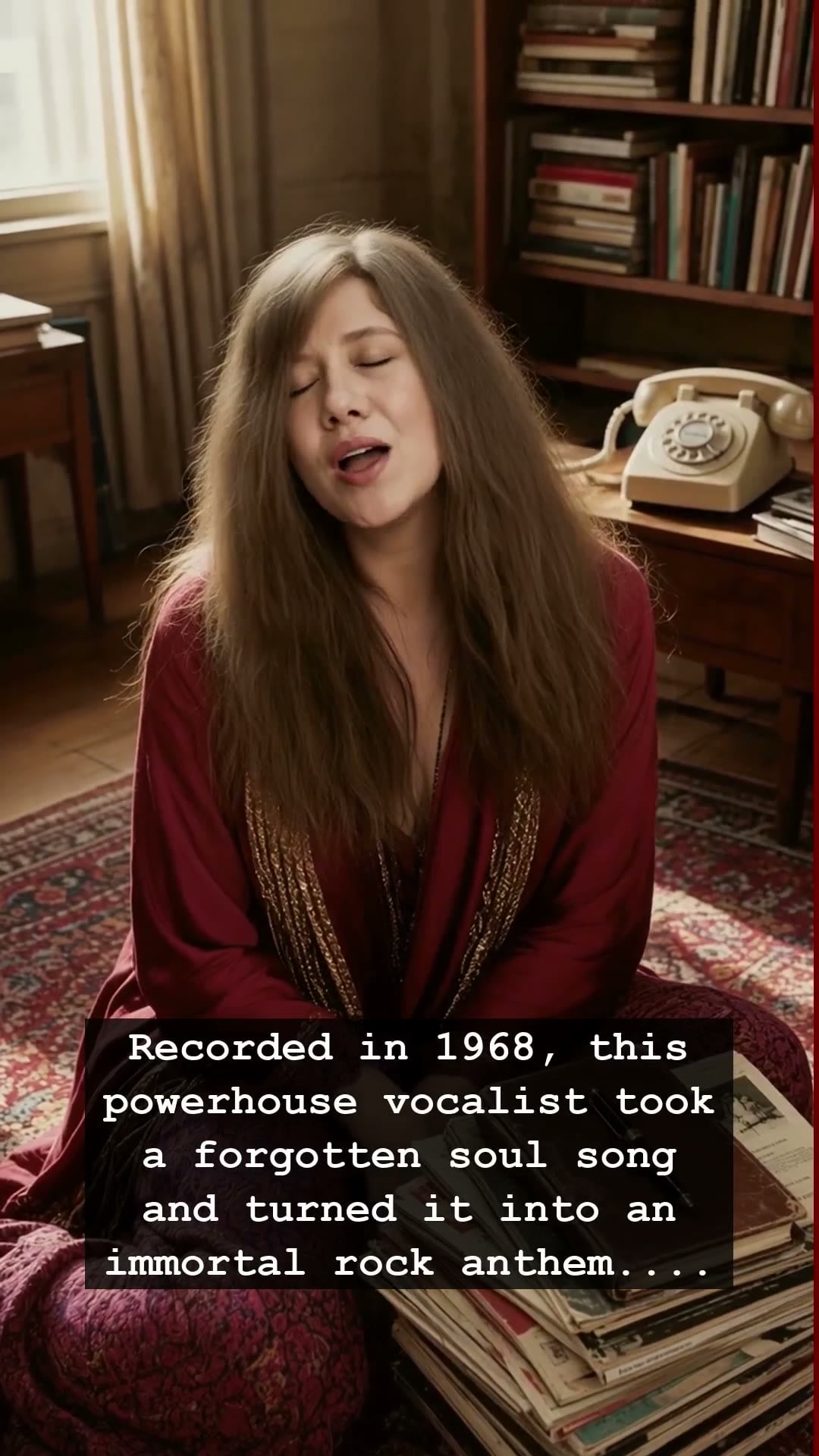
It was 1968, and the air in the studio was thick with the scent of cheap cigarettes and the desperate electricity of a generation on the brink. Janis Joplin stood before the microphone, not as a polished pop star, but as a woman stripped bare by her own turbulent soul. She was about to record a track that had originally been intended for someone else, a forgotten soul number that felt destined to collect dust. Yet, as the tape began to roll, Janis Joplin didn’t just sing the lyrics; she weaponized them. With a raspy, searing vocal performance that seemed to rip directly from her chest, she transformed a standard tune into Piece of My Heart, an immortal rock anthem that would define the era of psychedelic rebellion and raw, unfiltered pain.
To understand the magic of Janis Joplin, you have to look at the landscape of the late sixties. This was a time when the Jukebox was the heartbeat of every roadside diner, and the radio was a lifeline for the disillusioned youth. Janis was the queen of the counterculture, a woman who wore her scars like jewelry. She navigated a world dominated by male rock icons with an unapologetic intensity that terrified and captivated the public in equal measure. Behind the wild hair and the feather boas lay a deep, aching loneliness—a woman who sang to be loved but often found that fame only deepened the void. Every time she stepped onto a stage, from the muddy fields of festivals to the tight confines of smoke-filled clubs, she was giving the audience a piece of her heart, quite literally.
The recording session for that legendary track was a testament to her creative friction. Her band, Big Brother and the Holding Company, provided the driving, gritty rhythm that served as the perfect vessel for her soaring, tortured wails. While the song was originally an R&B track by Erma Franklin, Janis Joplin completely reimagined it through the lens of her own personal heartbreak. She wasn’t just performing; she was purging. It was a cry for connection in a world that felt increasingly fragmented. Even today, hearing that signature rasp brings back the visceral sensory details of the late sixties: the hazy neon glow of the venues, the heavy atmosphere of a changing society, and the sheer audacity of a woman who refused to be anything but entirely herself.
That song became an anthem for those who had been discarded by love or circumstance. It resonated because Janis Joplin was real, and in an industry built on smoke and mirrors, her authenticity was a radical act. Her life, ultimately cut far too short, remains one of rock history’s most profound tragedies. The demons she fought—the substances, the isolation, and the relentless pressure of fame—were the shadows that made her light burn so dangerously bright. She was a shooting star that scorched the sky, leaving behind a legacy that transformed the very DNA of American rock music.
Decades later, we still reach for our worn-out vinyl records and press play just to hear that voice cut through the silence. Janis Joplin reminds us that music is not just sound; it is a desperate attempt to be understood. When you listen to Piece of My Heart, you aren’t just hearing a classic hit; you are bearing witness to a woman who gave everything she had to the microphone, knowing that in the end, it was the only thing she truly possessed. So, as the final notes fade and the nostalgia washes over you, ask yourself: do you still remember the way she made the whole world stop and listen?