
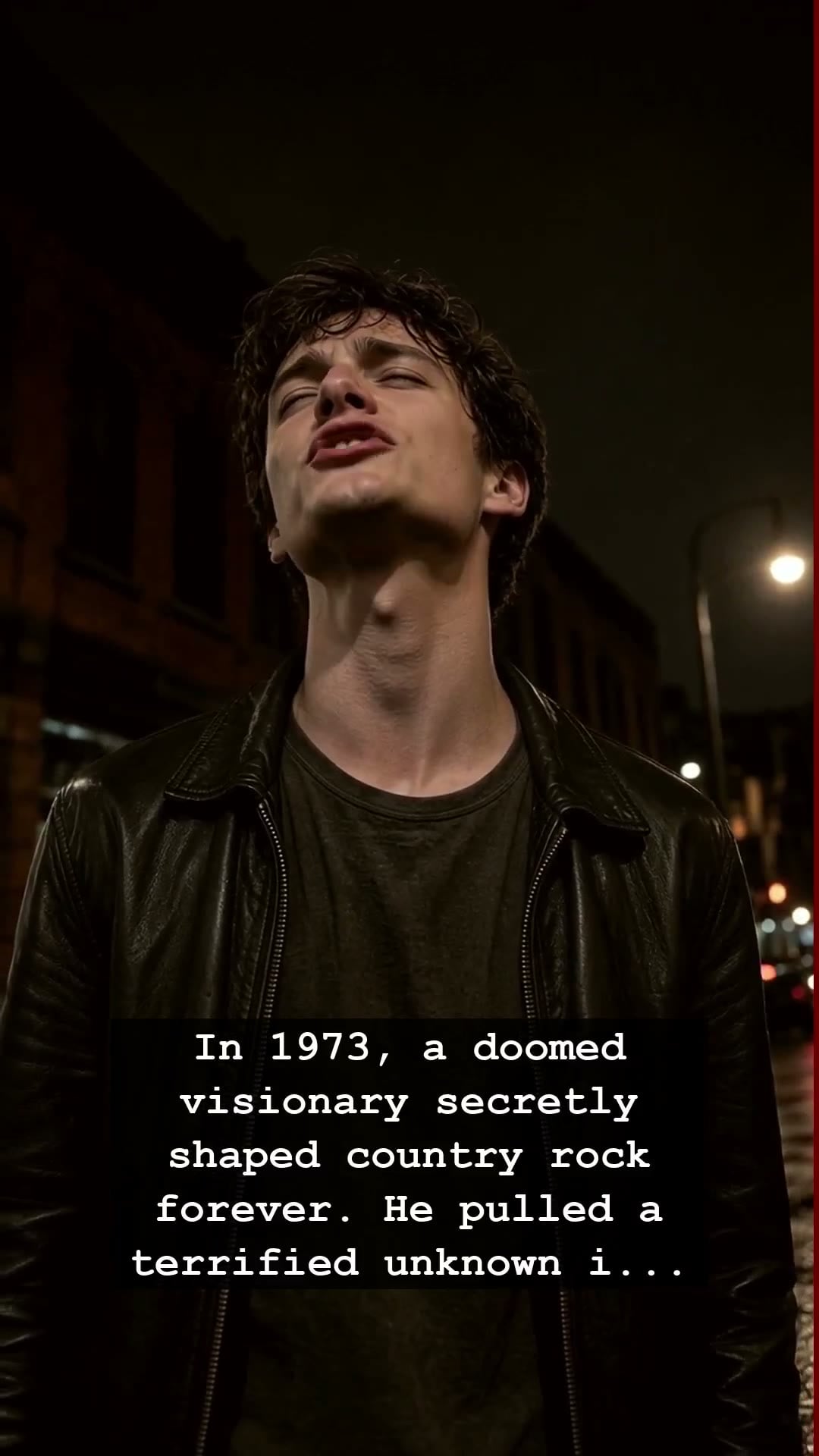
It was 1973, a year when the neon lights of the Sunset Strip were beginning to dim, giving way to a raw, melancholic yearning that no one could quite define. In the haze of a dimly lit recording studio, a troubled visionary named Gram Parsons stood before a microphone. Beside him stood a terrified, unknown singer named Emmylou Harris. Gram Parsons, the architect of Cosmic American Music, was looking for a sound that bridged the gap between the grit of the Bakersfield honky-tonk and the expansive, lonely reach of the open road. He found it in her voice.
Most people knew Gram Parsons as the man who walked away from the Byrds and the Flying Burrito Brothers, leaving behind a trail of broken glass and brilliant, unfinished melodies. He was a man drowning in the excesses of the era, caught between the allure of stardom and the crushing weight of his own demons. When he pulled Emmylou Harris from the obscurity of a coffeehouse gig, he wasn’t just looking for a backup singer. He was searching for an ethereal partner to complete the haunting harmonies that echoed in his head—harmonies that felt like a bridge between the living and the ghosts of country music past.
Their time together was painfully brief, a flash of lightning in a dark sky. As they recorded tracks for his album GP, the chemistry was palpable, even if the atmosphere in the studio was fragile. Emmylou Harris was raw and unsure, while Gram Parsons acted as both mentor and a sinking ship, a man whose artistic brilliance was constantly warring with his self-destructive tendencies. Yet, when they sang together, the rules of the genre simply dissolved. They didn’t just sing songs; they channeled a visceral, cosmic longing that made the listeners feel the dust of the highway and the sting of a lonely motel room.
To understand their impact, one must look at the culture they were operating in. This was the era of the Walkman starting to change how we consumed sound, a time when country rock was struggling to find its soul amidst the polished output of Arena Rock. Gram Parsons saw through the artifice. He wanted to strip away the varnish and expose the raw, weeping nerves of a melody. By elevating Emmylou Harris, he gave the world a template for the modern Americana sound—a blend of sadness, beauty, and authenticity that would eventually pave the way for every singer-songwriter who dared to step outside the Nashville mainstream.
When Gram Parsons passed away later that same year, the music world lost one of its most enigmatic icons, but he left behind a legacy that would blossom through Emmylou Harris’s own legendary career. She carried the torch of his cosmic vision, ensuring that his brief, tragic flame never fully flickered out. Every time we hear their voices intertwine on those old, dusty vinyl records, we are reminded of the power of a melody to haunt us long after the performers have left the stage. Their story remains a testament to the fact that sometimes, the most beautiful music is birthed from the most broken places.