
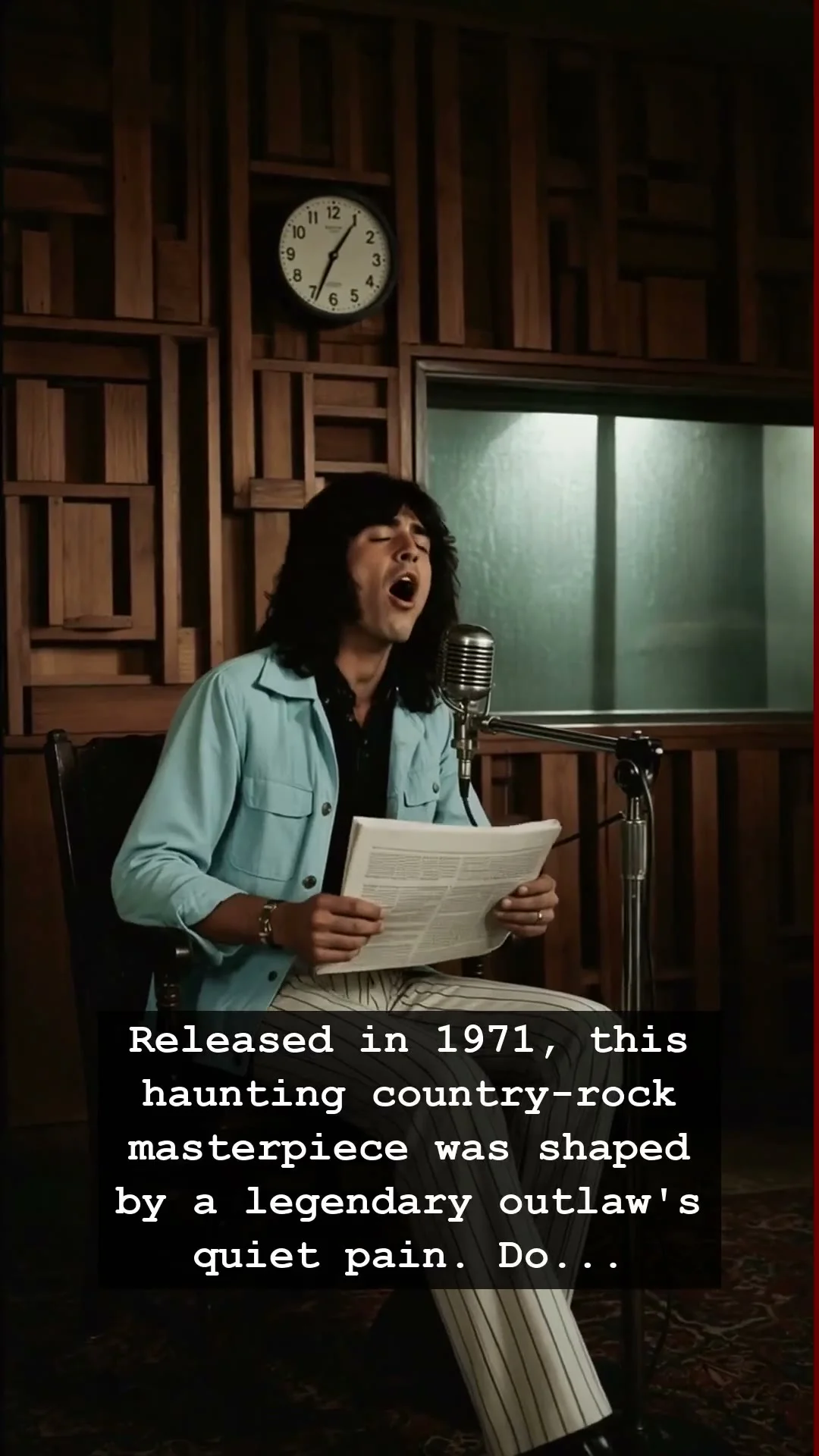
It was 1971, and the air was thick with the scent of cheap whiskey and the lingering haze of Laurel Canyon’s fading hippie dream. While the rest of the world was obsessed with the disco revolution brewing in the shadows of Studio 54, a singular, mournful sound was capturing the hearts of those who knew real pain. This was the era when Gram Parsons, the architect of cosmic American music, poured his fractured soul into the microphone. He wasn’t just singing songs; he was conducting a funeral for his own happiness, creating a country-rock masterpiece that would haunt listeners for decades to come.
Gram Parsons was an outlaw in the truest sense of the word, a man who walked between the worlds of high-society pedigree and the grit of roadside honky-tonks. His voice, often described as an aching velvet, carried the weight of a lonely traveler seeking a home he could never quite find. During late-night sessions that felt more like spiritual exorcisms than recording dates, Gram Parsons wove threads of traditional country sorrow into the raw, electrified tapestry of rock and roll. Those sessions were never about chart success; they were about capturing a fleeting moment of honesty before the drugs and the pressure of fame could tear it all apart.
To understand the gravity of his influence, you have to imagine the scene: a dimly lit studio, the smell of stale cigarette smoke, and the hum of amplifiers waiting for the perfect take. Gram Parsons was surrounded by legends, yet he was often the loneliest man in the room. He walked with a heavy shroud of vulnerability, his life a chaotic mix of brilliant musical innovation and self-destructive tendencies that eventually led to his tragic, premature death. Even in his lifetime, he seemed like a ghost already walking among the living, a man who gave everything to his music because he had nothing left to give himself.
The genius of his 1971 recordings lies in their terrifying intimacy. Every note is a testament to the conflict between the outlaw spirit and the desire for belonging. When you listen to these tracks today, amidst the polished digital landscape of the modern era, you are instantly transported back to the hum of a vinyl jukebox in a dusty bar. You can hear the ghosts of the past, the echoes of a generation that lived fast and burned out before they could see the dawn of the MTV age. Gram Parsons didn’t just play country rock; he redefined it as a language of the broken-hearted.
Decades later, the legacy of Gram Parsons remains untarnished, standing as a monument to authenticity in a world of manufactured sound. His influence can be felt in every artist who dares to wear their heartache on their sleeve, proving that some wounds never truly heal, but instead turn into immortal melodies. Whether you are a long-time collector of vinyl treasures or someone discovering this cosmic pioneer for the first time, his music demands your full attention. It is a haunting reminder that in the brief, beautiful flicker of human existence, the most honest stories are the ones that refuse to be forgotten.