
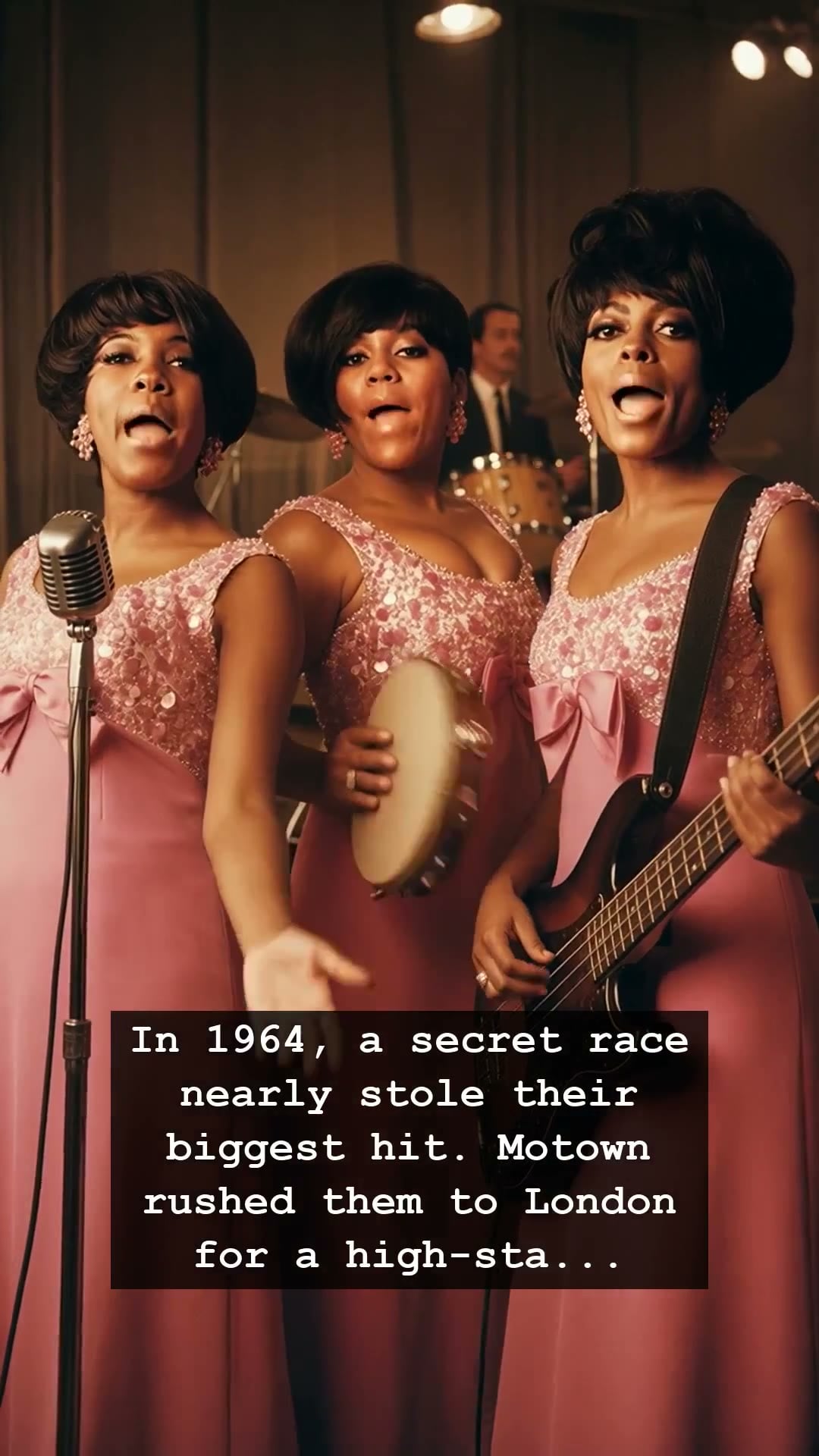
In the golden age of 1964, the airwaves were a battlefield, and the stakes were higher than the needle on a spinning vinyl. The Supremes were sitting on a ticking time bomb of a song that would eventually define a generation. While Motown headquarters hummed with the electric energy of hit-making, a secret transatlantic race was unfolding behind the scenes. A rival group was hot on their heels, ready to record a cover version that threatened to hijack their momentum and snatch their first number-one spot before they even had a chance to breathe. It was a race against time, a silent war fought in recording studios and boardroom meetings, where fame was as fleeting as a fading radio signal.
Motown executives, knowing the raw, magnetic power of Diana Ross, Florence Ballard, and Mary Wilson, panicked. They realized that if their version did not cement itself as the definitive anthem immediately, the magic of The Supremes could be overshadowed by an opportunistic imitation. In a whirlwind of frantic phone calls and high-stakes planning, the ladies were rushed straight onto a flight to London. The objective was clear: perform on national television and etch their performance into the public consciousness forever. This wasn’t just a promotional gig; it was a desperate, tactical strike to secure their destiny as the queens of American soul.
Stepping onto that London stage felt like a pivotal shift in the cultural landscape. The cameras flickered with the cold, sterile light of the early television era, but when the music started, the room ignited. The Supremes stood poised and elegant, their voices blending in a harmony so precise it felt supernatural. That night, they didn’t just sing a song; they silenced the competition. By the time the final note hung in the cool London air, the race was effectively over. They had officially claimed the number-one spot, and in doing so, they elevated the Motown sound from a regional phenomenon to a global juggernaut that would dominate the charts for decades to come.
Looking back at that era of the mid-sixties, it is easy to forget how fragile success really was. Without the relentless drive of Motown and the sheer poise of The Supremes under immense pressure, our musical landscape might sound entirely different today. They were the face of a new cultural shift, draped in glamour, singing songs that felt like whispers from a friend. That high-stakes showdown in London remains a testament to the grit that existed beneath the sequins and the flawless choreography of the girl group era.
Even now, when we hear those iconic opening notes, we are transported back to a time when music felt vital and dangerous. The Supremes taught us that true stardom requires more than just a beautiful voice; it requires the courage to win when the world is rooting for your replacement. Their legacy is not just in the platinum records or the awards, but in the memory of those three women who raced across an ocean to protect their sound. Next time you drop the needle on your favorite vintage record, remember the drama and the dash that made it all possible.