
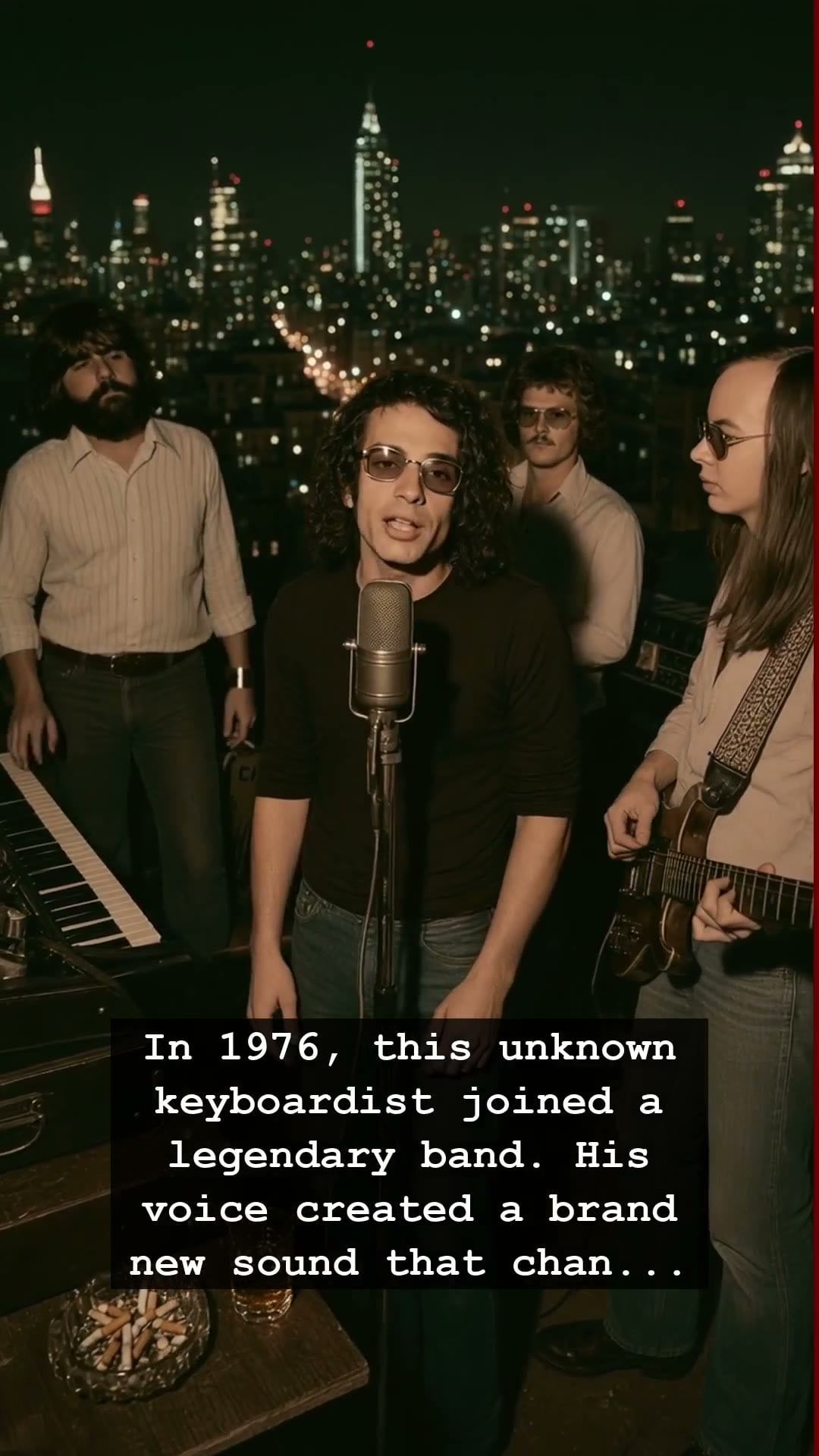
In 1976, the airwaves were crowded with the grit of southern rock and the rising, glittering promise of disco. Yet, inside a dimly lit recording studio, a quiet transformation was taking place. A young, session keyboardist with a voice as velvety as dark honey walked in to help a struggling band, unaware that he was about to spark a sonic revolution. Michael McDonald was not looking to overhaul a legacy, but his arrival at that pivotal moment did exactly that, forever altering the trajectory of The Doobie Brothers and defining the smooth aesthetic of late 70s American radio.
At the time, The Doobie Brothers were a band at a crossroads. Their original high-octane biker-rock identity was fading as exhaustion and health issues sidelined their lead members. When Michael McDonald stepped into the fold, he brought a sophisticated, soulful sensibility rooted in R&B and gospel that felt jarring to some traditionalists. His piano playing was intricate, and his signature blue-eyed soul vocals carried a ghostly, haunting resonance that seemed to float above the music. The existing members were initially terrified; this was a complete departure from their gritty roots. However, the resulting sound—a polished, jazzy hybrid—would soon dominate the charts.
This shift was the embodiment of a changing American culture. As we moved away from the raw, rebellious energy of the post-Woodstock era, the public craved the polished production of the mid-70s. Michael McDonald provided the perfect bridge. His vocal style became a blueprint for what critics would eventually label yacht rock—a genre defined by its crisp production, complex chords, and an undeniable, sun-drenched coolness that felt perfect for cruising down the Pacific Coast Highway. Tracks like What a Fool Believes became instant anthems, echoing through the halls of every suburban home and college dorm.
Behind the seamless melodies, however, was an intense internal struggle. The shift to a more sophisticated sound caused friction within the group, as the band members wrestled with their shifting identity. For Michael McDonald, the pressure was immense. He was a humble keyboardist thrust into the spotlight, tasked with revitalizing a national treasure while dealing with the crushing weight of sudden, massive fame. This era was filled with the haze of late-night studio sessions, endless touring, and the unspoken realization that they were creating something that would define a generation, yet perhaps alienate their oldest fans.
Decades later, the influence of Michael McDonald remains strikingly relevant. His voice is the sound of a bygone era, a sonic anchor that transports us back to a time of velvet suits, Walkmans, and the sophisticated hum of FM radio. It was a bridge between the rock of the past and the soul-pop future. Whether you heard it through a crackling Jukebox or on a high-fidelity turntable, his music captures that bittersweet nostalgia for a decade that felt like it would never end. Next time you hear those iconic, cascading piano chords, close your eyes and remember the moment a session player became an absolute legend.