
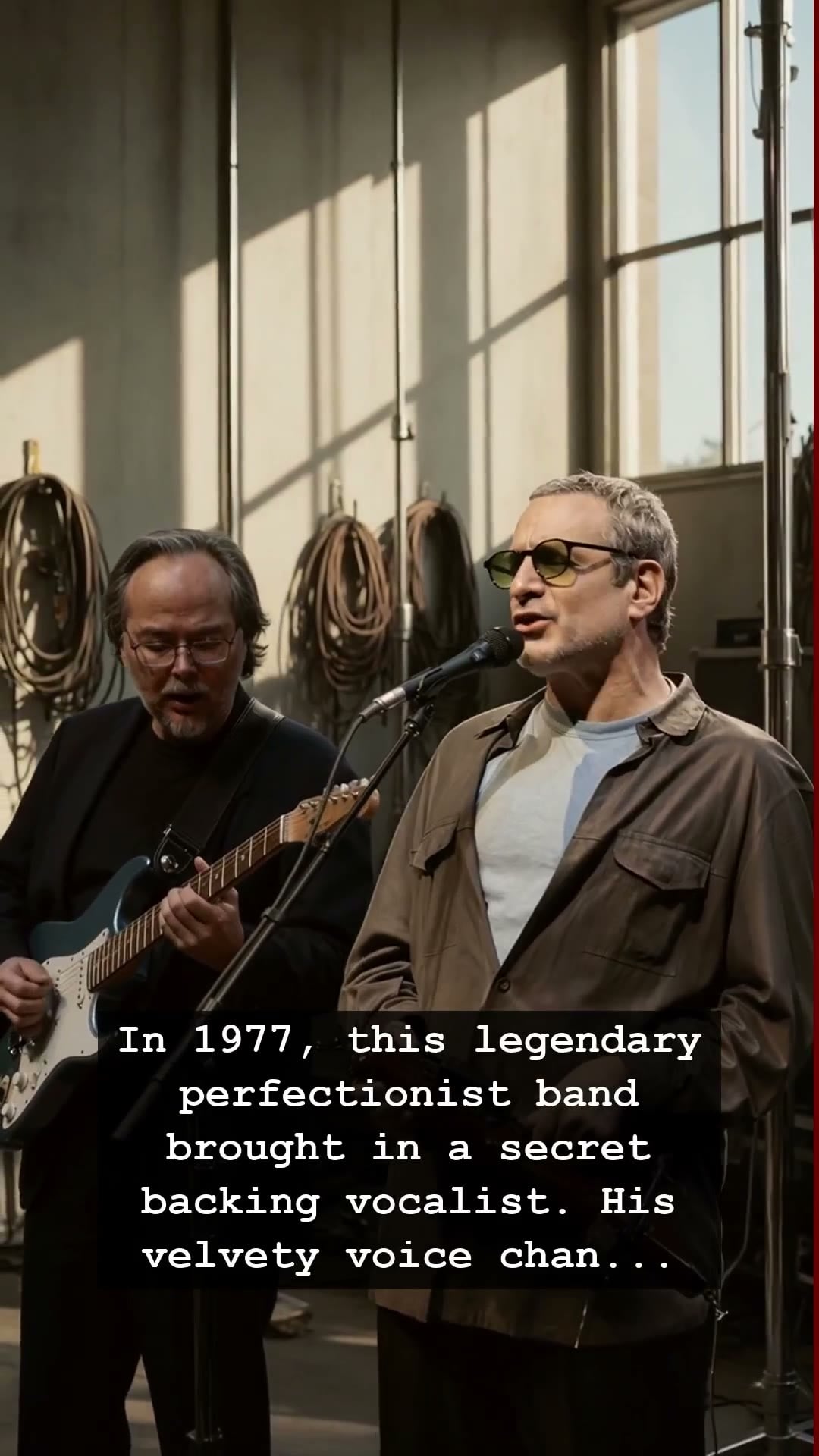
In the smoke-filled, high-pressure atmosphere of 1977 recording studios, perfectionism wasn’t just a goal; it was a religion. Walter Becker and Donald Fagen, the masterminds behind Steely Dan, were known for pushing their bandmates to the brink of insanity to capture a single, flawless take. They demanded precision that bordered on the obsessive, treating their tracks like intricate sonic architectures. Yet, amidst this rigorous pursuit of musical purity, they stumbled upon an organic, velvety treasure that would redefine the sound of the late seventies: the arrival of Michael McDonald.
The story of their collaboration feels like a classic Hollywood script of unexpected chemistry. Steely Dan was already a household name for those who frequented the refined aisles of record stores, but their sound was shifting. As they labored over the tracks for the iconic Aja album, the duo realized something was missing. They needed a texture that could balance their icy, cynical perfection with a touch of blue-eyed soul. Enter Michael McDonald, a young session musician whose voice possessed a rare, honeyed depth that seemed to glide effortlessly over complex chord changes. When he stepped up to the microphone, the air in the room shifted. His backing vocals provided a warmth that Fagen and Becker’s sharp wit often lacked, turning a technical exercise into a timeless masterpiece.
This was the era of the Jukebox and the rise of the high-fidelity home stereo, where every nuance of a recording could be dissected by listeners. When Michael McDonald lent his pipes to tracks like Peg, he didn’t just sing; he breathed a newfound life into the band’s aesthetic. The resulting sound became the gold standard for West Coast yacht rock, a smooth, sophisticated genre that would eventually dominate the airwaves of the early MTV era. It was a symbiotic relationship: Steely Dan’s complex arrangements provided the canvas, while Michael McDonald provided the glowing, soulful paint that made the music jump out of the speakers and into the hearts of a generation.
Beyond the studio walls, this period was fraught with the invisible strains of stardom. The relentless pursuit of perfection took a toll on the band’s inner circle, yet Michael McDonald remained a beacon of consistency. His involvement was a turning point, showcasing how a single creative voice can bridge the gap between high-concept jazz fusion and accessible pop radio success. It is a testament to the fact that even the most calculated musical geniuses need that human touch to truly connect with the soul of the public.
Decades later, we still reach for those vinyl pressings, hearing the same goosebump-inducing harmonies that once echoed in the hallowed halls of 1970s studios. The presence of Michael McDonald remains a marker of that golden age, a reminder of a time when production values were king and the right voice could change the trajectory of an entire career. It is more than just nostalgia; it is the celebration of a sonic marriage that never should have worked on paper, but soared in practice. Next time you drop the needle on that record, close your eyes and listen for the man who added the final, essential layer of velvet to the Steely Dan legacy.