
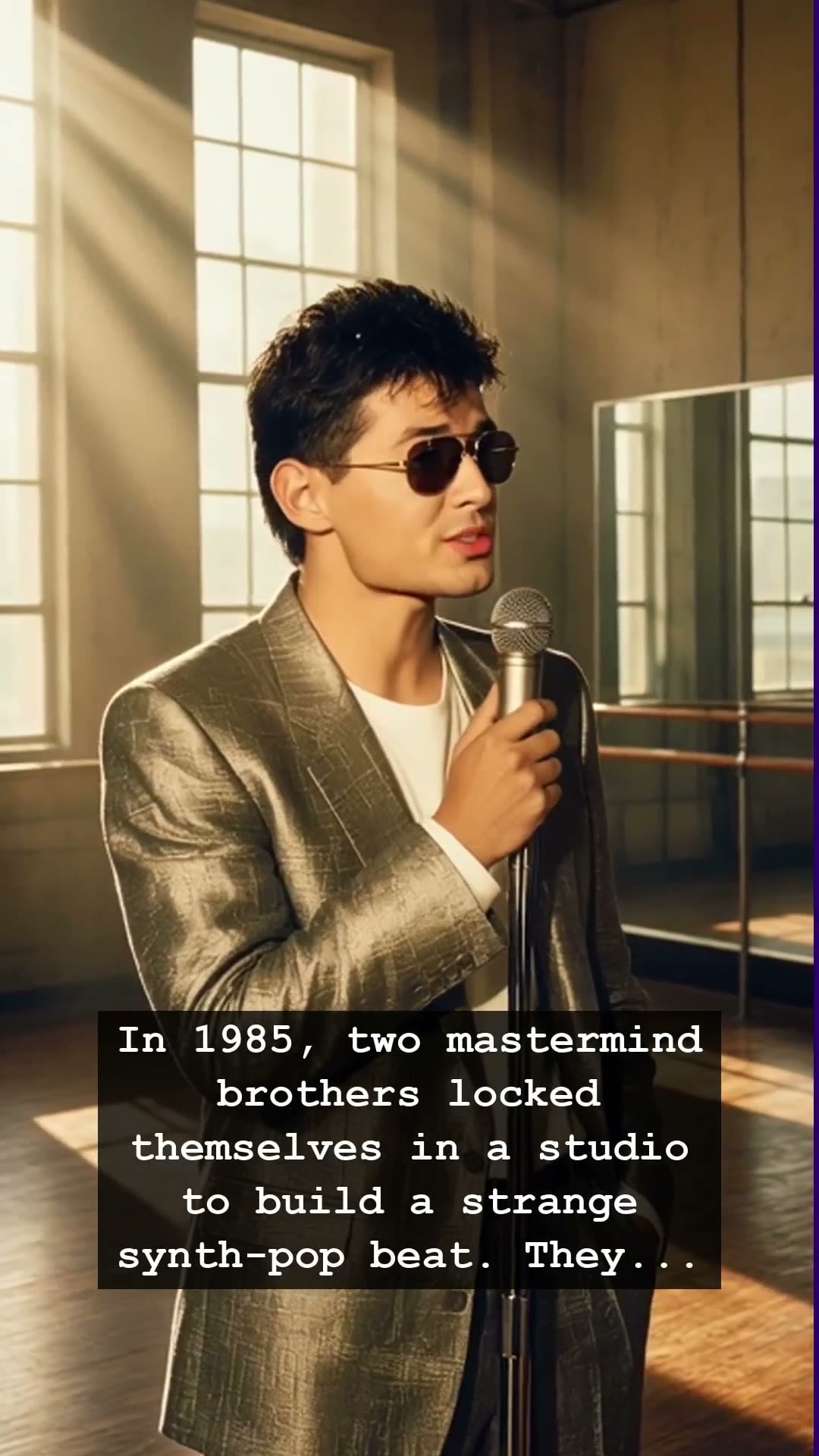
In 1985, while the world was obsessed with the flickering neon lights of MTV and the emerging synth-pop landscape, two brothers were locked away in a darkened studio, crafting a sound that defied every rule in the music industry. Rob and Ferdi Bolland, the mastermind duo from the Netherlands, weren’t just producing another track; they were engineering a sonic anomaly. They had no idea that their experimental pulsing synth-pop beat would collide with the ghost of Wolfgang Amadeus Mozart, creating one of the most unexpected and wildest classical-rap crossovers in history.
At the time, the airwaves were dominated by the polished synthesizers of the decade, yet the Bolland brothers felt that something was missing—a bridge between the rigidity of classical history and the rebellious edge of modern pop. They focused their efforts on a young, charismatic Austrian artist named Falco. Rob and Ferdi Bolland saw the potential for something grand, something that sounded like a fever dream born from a velvet-lined Jukebox. They layered deep, driving basslines beneath a sample-heavy arrangement that felt both futuristic and ancient, a daring experiment that many labels initially deemed career suicide.
As the tracks began to coalesce, the studio became a pressure cooker of creative tension. Rob and Ferdi Bolland spent endless hours obsessing over the rhythmic cadence of the vocals, insisting that the delivery had to be sharp, almost aristocratic, yet grounded in the grittiness of the streets. When they finally completed the production for Rock Me Amadeus, the atmosphere in the studio shifted. They knew they had stumbled upon a paradox: a rap song about an 18th-century composer that felt perfectly at home in the bustling, hedonistic climate of 1980s European nightlife.
The global impact was nothing short of seismic. When the song hit the airwaves, it didn’t just climb the charts; it obliterated them, eventually becoming the first German-language song to hit number one on the Billboard Hot 100. Critics were baffled, and music purists were stunned, but the public was enraptured. It was the perfect marriage of the brothers’ meticulous studio craftsmanship and Falco’s flamboyant performance style. The song became a permanent fixture of 1985, a cultural touchstone that proved that music history could be rewritten with just a few well-placed synthesizers.
Decades later, the legacy of Rob and Ferdi Bolland remains a testament to the power of daring to be different. In an era where music is often curated by algorithms and market trends, their story reminds us of the raw, unpredictable magic that happens when artists ignore the boundaries of genre. Their contribution to the sound of the mid-eighties remains an essential piece of the puzzle for any nostalgic listener. The next time you hear those iconic, driving synth chords, take a moment to remember the two brothers who dared to lock themselves away and dream up a masterpiece that still echoes through the halls of time.