
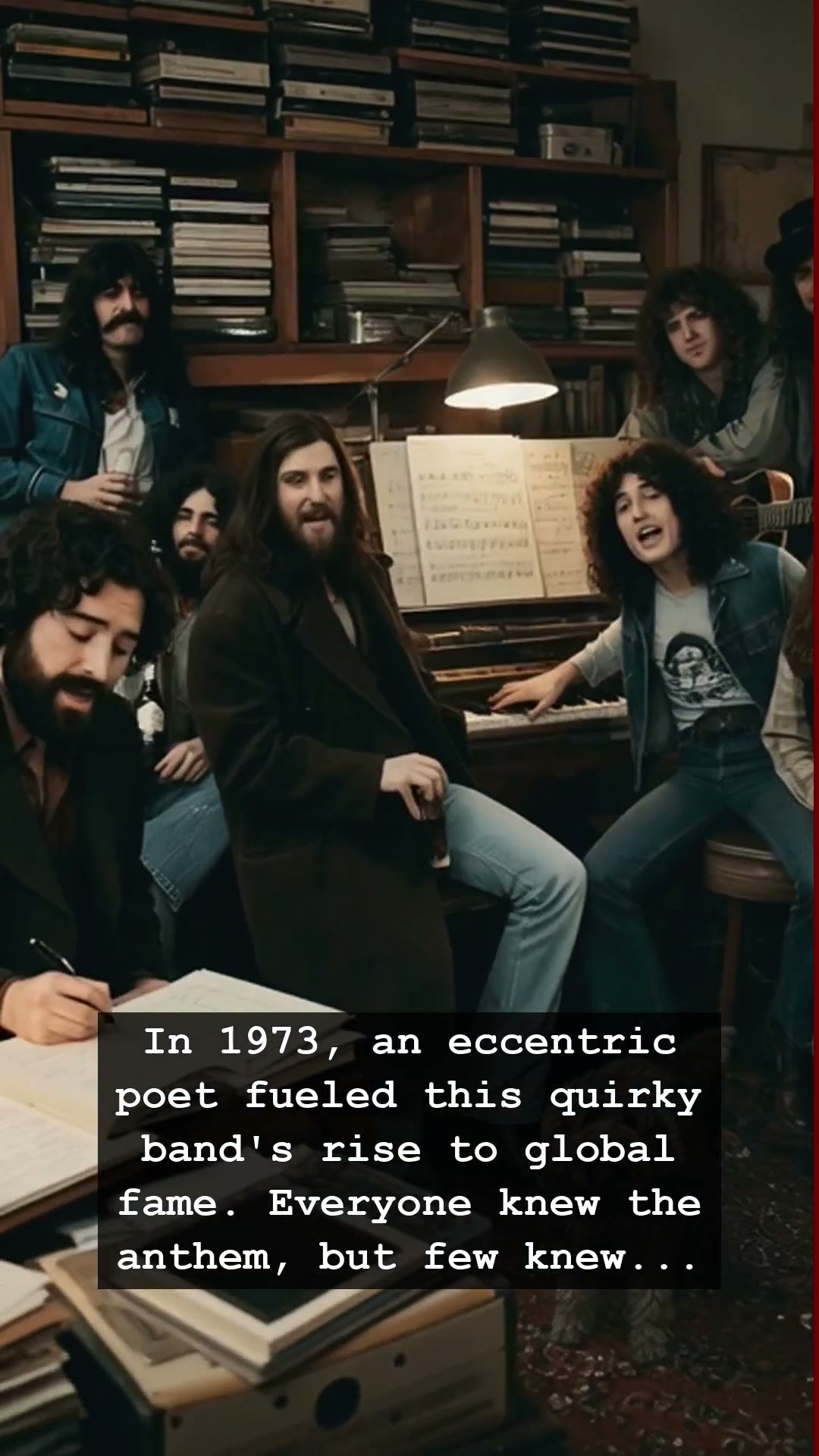
In 1973, if you walked into any smoke-filled diner or dimly lit tavern across America, you were bound to hear a rowdy, cynical, yet strangely infectious anthem playing on the jukebox. Dr. Hook and the Medicine Show were the unlikely kings of the airwaves, led by the wild-eyed Ray Sawyer. Their hit, The Cover of Rolling Stone, was a satirical jab at the music industry that resonated with every aspiring musician in the country. Yet, the song that catapulted them to global stardom was not the product of a typical rock-star ego, but the brilliant, calculated invention of an eccentric poet named Shel Silverstein.
Most fans knew Shel Silverstein as the beloved author of whimsical children’s books, but in the late sixties and early seventies, he was living a secret double life. While he was busy writing A Boy Named Sue for Johnny Cash, he had also formed a strange, symbiotic partnership with Dr. Hook. Shel Silverstein was the mastermind hiding in the shadows, crafting the biting wit and raw storytelling that defined the band’s identity. He didn’t just write songs for them; he curated their persona, transforming a group of ragtag musicians into the cynical, anti-establishment icons that the era demanded.
Life on the road with Dr. Hook was anything but clean-cut. As the band climbed the charts, they embodied the chaotic, high-stakes energy of the pre-MTV landscape. Shel Silverstein became a constant, looming presence—a man who preferred the grit of the studio to the glamor of the stage. He fed them lyrics that cut right through the artificial shine of pop music, tapping into the disillusionment that defined the post-Woodstock generation. It was a turbulent partnership, fueled by late-night writing sessions, cheap whiskey, and a mutual disregard for mainstream expectations.
What made the collaboration so effective was the tension between the band’s rambunctious stage antics and the lyrical depth Shel Silverstein provided. He was the invisible architect, ensuring that underneath the humor and the spectacle, there was a sharp, satirical edge. This was an era where the boundary between fame and infamy was razor-thin, and Shel Silverstein understood better than anyone how to exploit it. He turned the group’s inherent quirks into a brand, proving that you didn’t need a polished image to capture the hearts of millions—you just needed a story worth telling.
Today, the legacy of Dr. Hook and Shel Silverstein serves as a nostalgic window into a time when music felt less like a product and more like a visceral, unfiltered expression of the human condition. When we listen to those tracks now, we aren’t just hearing a band; we are hearing the distinct, poetic voice of a literary genius who preferred to let the music speak for itself. It is a reminder that behind every legendary hit, there is often a hidden mastermind, orchestrating the magic from the wings. Do you remember the first time you heard them? It is never too late to rediscover the rhythm of that bygone era.