
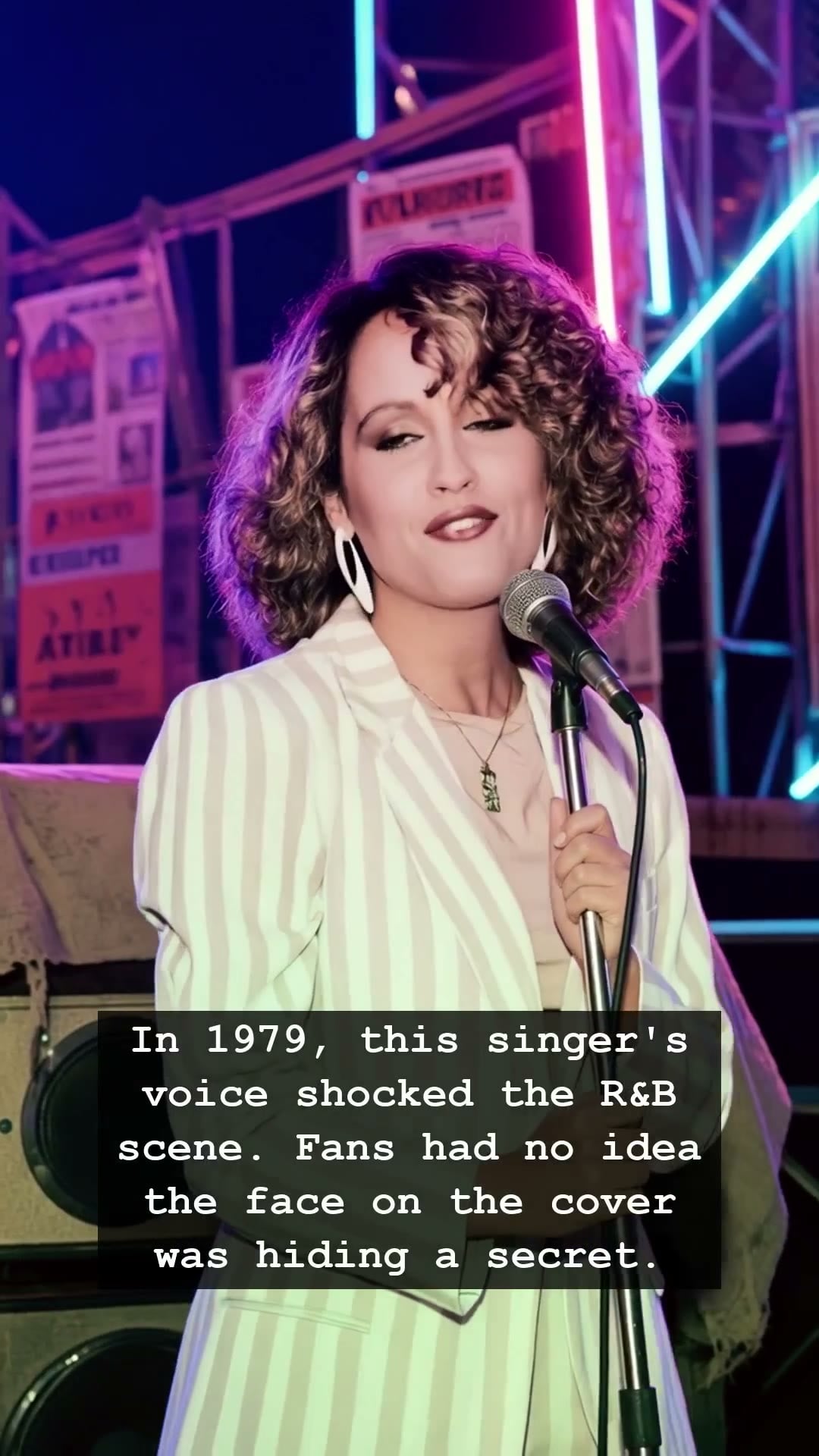
In 1979, the airwaves were dominated by the smooth, polished sounds of disco and the deep, raw grooves of Motown. When a debut album titled Wild and Peaceful hit record stores, listeners were immediately captivated by a powerhouse voice that dripped with authentic soul. It was a vocal performance so gritty, so melodic, and so profoundly rooted in the tradition of black gospel and R&B that the public reached a singular conclusion: the singer had to be a black woman. Radio DJs played her tracks incessantly, and fans felt an instant connection to the sound. Yet, when the record sleeves finally reached the hands of eager listeners, they were met with a striking revelation that would ripple through the music industry for decades.
The woman behind that explosive, gospel-drenched sound was Teena Marie, a white teenager from California who had been taken under the wing of funk legend Rick James. At a time when the color line in music was rarely crossed, Teena Marie entered the scene with little more than raw talent and a deep, lifelong reverence for the soul tradition. She did not set out to deceive, but her sheer vocal ability was so transcendent that it bypassed all racial expectations. The mystery surrounding her identity became the talk of the town, forcing the music industry to confront its own unspoken boundaries. Teena Marie was not merely mimicking a style; she was living it, breathing a fiery intensity into every note she sang.
Her relationship with Rick James was the heartbeat of her early career, a chaotic and creative partnership that defined her signature sound. During the heyday of the funk era, they were an inseparable musical force. While the glossy lights of Studio 54 drew the crowds, Teena Marie was busy refining her craft in the studio, pouring her heartache and ambition into every lyric. She faced significant skepticism from label executives who struggled to categorize a white woman singing pure R&B. Yet, she remained steadfast, fueled by an uncompromising artistic vision that defied the corporate demand for boxes and labels.
Looking back, the story of Teena Marie serves as a fascinating lens into the late seventies, an era of shifting cultural landscapes and the relentless march of the disco beat. She became an icon of authenticity, eventually proving that true soul is not a demographic but an internal fire. Even as the eighties introduced the era of the synthesizer and the fast-paced allure of MTV, Teena Marie continued to command respect as a songwriter and instrumentalist. Her voice remained a bridge, connecting fans across different backgrounds through the sheer force of her emotional delivery and impeccable rhythmic timing.
Today, the legacy of Teena Marie lives on not just as a trivia fact from the vinyl archives, but as a testament to the power of musical identity. She taught us that artistic barriers are often built on assumptions, and that when the music is profound enough, it silences all doubts. For those of us who grew up listening to the crackle of a turntable, her songs still hold that same electric charge. Teena Marie didn’t just sing; she poured her entire being into the melody, reminding us all that if you listen closely enough, you will always hear the truth.