
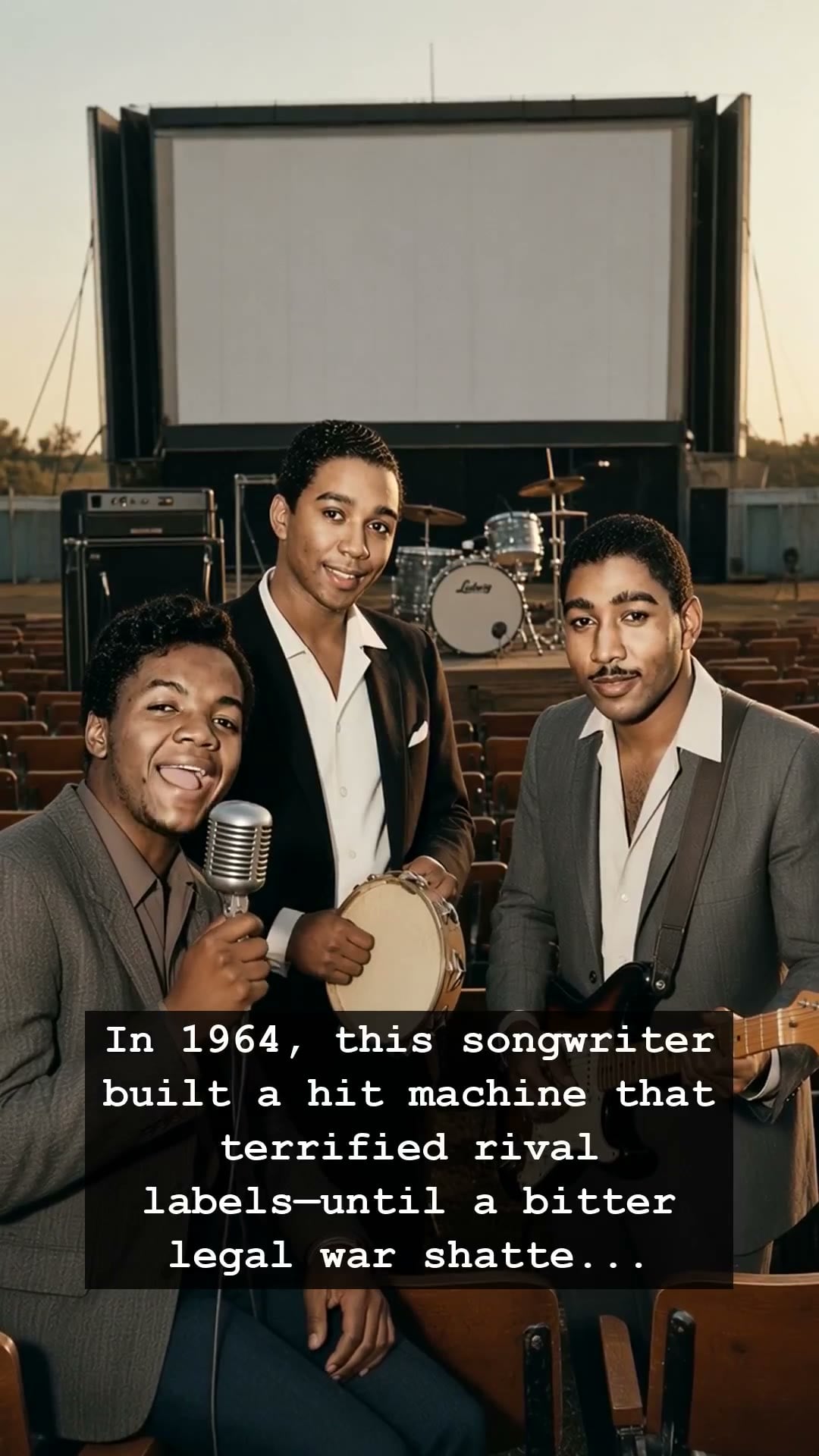
In 1964, the air at Hitsville USA was thick with the scent of floor wax, stale coffee, and the undeniable electricity of creation. While the rest of the world was mesmerized by the British Invasion, a quiet genius named Brian Holland was busy constructing the most lethal hit-making apparatus the music industry had ever seen. Alongside his production partners, he wasn’t just writing songs; he was engineering a sonic revolution. Their formula was precise, rhythmic, and devastatingly catchy, turning Motown into a powerhouse that sent shivers of envy through the boardrooms of rival labels. But behind the golden records and the polished performances, the foundation was beginning to crack under the pressure of fame and ego.
Brian Holland was the architect of an era that defined the American soul. From the moment the needle dropped on a record, you knew it was his work. He understood the nuances of the human heart better than any executive at the time, crafting melodies that felt like a warm embrace on a cold Detroit night. Yet, the very machinery that propelled Motown to the top of the charts eventually became a gilded cage. As the royalties piled up and the pressure to replicate success reached a fever pitch, the once-harmonious relationship between the songwriting team and label head Berry Gordy began to sour into a cold, calculated battle for ownership.
The tension culminated in a legal war that felt like a betrayal to the soul of the movement. For those of us who grew up listening to these tracks on a jukebox in a local diner, it is hard to reconcile the joy of the music with the bitter disputes happening behind the scenes. Brian Holland and his collaborators found themselves locked in a struggle that would shatter the unity of the Motown family forever. It was a classic tale of creative genius clashing with corporate ambition, proving that even the most beautiful music can be born from profound personal agony and professional treachery.
Looking back, the legacy of Brian Holland remains a testament to both the brilliance and the fragility of the 1960s music industry. The legal battles that followed did not just change the trajectory of his career; they altered the landscape of rhythm and blues itself. His work stands as a monument to an era when music was still a visceral, human experience, captured on magnetic tape and disseminated to millions who hung on every chord change. It is a reminder that the stars we idolized were merely people, caught in the gears of a machine that demanded everything from them.
Today, when you hear those iconic opening notes, you are hearing the echoes of a war fought in boardrooms and dimly lit studios. Brian Holland eventually emerged from the wreckage, but the Motown that once was—that collective, unstoppable force of nature—would never be the same. Perhaps that is why these songs still resonate so deeply with us; they carry the scars and the stories of a time when the world felt infinite and the music felt like forever. Next time you spin a classic soul track, listen closer—you might just hear the ghost of a revolution.