
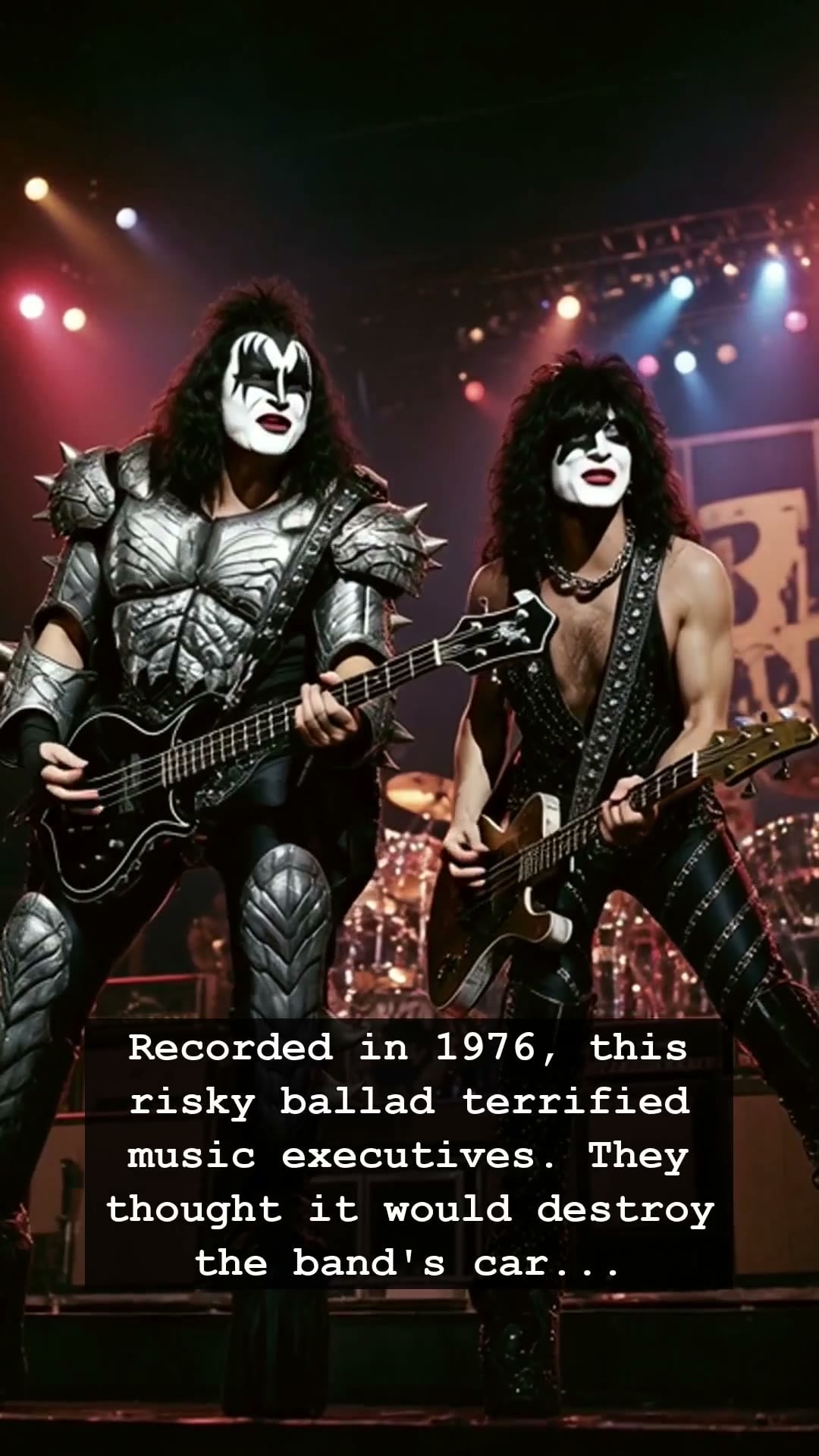
In 1976, the heavy rock landscape was defined by leather, fire, and the theatrical, face-painted menace of KISS. To the world, they were the fire-breathing icons of the stage, a band built on aggressive riffs and pure, unadulterated shock value. But behind the curtain of pyrotechnics and greasepaint, the band was about to commit an act of artistic heresy that terrified their label executives: they wanted to release a piano-driven, vulnerable ballad. Those music industry suits were convinced that this soft, melodic turn would alienate their hardcore fanbase and permanently ruin the fierce, untouchable image that defined the KISS legacy. They were wrong.
The song was Beth, a hauntingly raw departure from the band’s usual sonic assault. As the studio tape rolled, the atmosphere shifted from the gritty intensity of a Jukebox anthem to a deeply personal confession of loneliness and life on the road. Peter Criss, the man behind the mask, poured his exhaustion into the lyrics, capturing the genuine melancholy of a performer missing his home while living the chaotic life of a rock star. It was the antithesis of the stadium-filling anthems the band was known for, yet it held a haunting sincerity that resonated with anyone who had ever felt the weight of distance. Executives begged them to bury the track, fearing it would signal the end of their credibility as hard rock icons.
Despite the desperate protests from the boardroom, the band persisted, and the gamble paid off in a way that defied every expectation. When Beth finally hit the airwaves, it didn’t destroy KISS; instead, it catapulted them to a new stratosphere of fame. It became their highest-charting single, proving that even the most hardened rock deities were capable of profound human vulnerability. The song transformed from a risky studio experiment into a massive, gold-certified hit that sat comfortably alongside the loudest arena rock tracks of the decade, bridging the gap between their theatrical persona and the hearts of millions of listeners.
Looking back at the golden era of the mid-70s, it is easy to forget how risky this creative pivot truly was. In an age where image was everything, and the divide between the genres of glam rock and traditional pop felt like an uncrossable canyon, KISS dared to blur the lines. This moment in 1976 serves as a powerful reminder of how artistic instinct can triumph over corporate fear. It wasn’t just a song; it was a shift in the cultural zeitgeist that paved the way for the band to evolve into the legends we celebrate today.
Even now, decades after the pyrotechnics have cooled, Beth remains a staple of the classic rock canon, standing as a testament to the band’s willingness to risk it all. It represents that rare, magical intersection where raw emotion meets stadium-sized ambition. For those of us who grew up with the crackle of vinyl and the flickering lights of concerts, the song is a bittersweet portal back to a time when music felt dangerous, transformative, and entirely unpredictable. Does this legendary ballad still hold a special place in your own collection?