
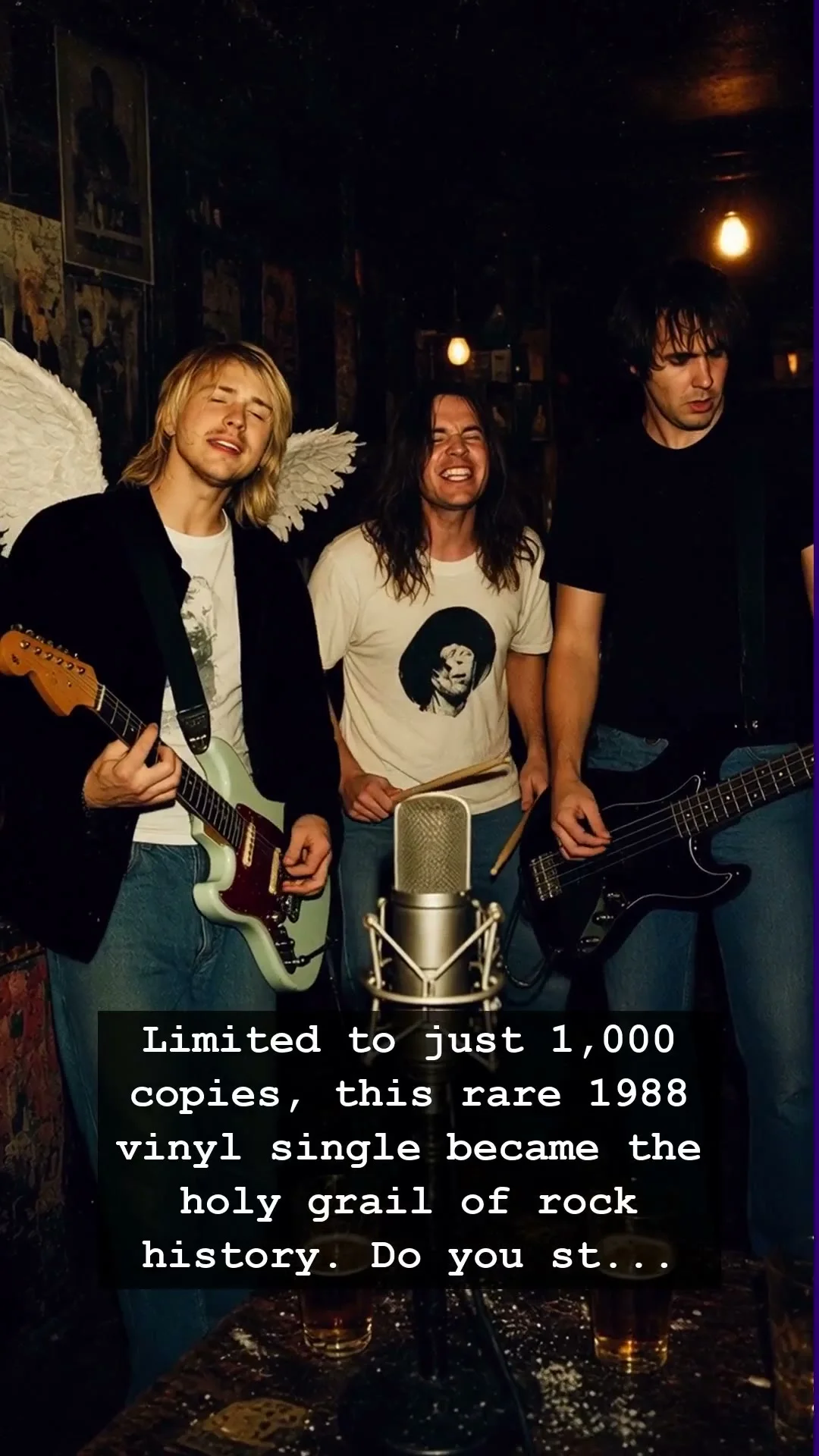
It started in a damp basement with a sound that felt like a punch to the gut of a polished, plastic music industry. In 1988, a band from Aberdeen, Washington, pressed just one thousand copies of their debut single, Love Buzz. Little did they know, these fragile pieces of black wax would eventually become the holy grail of modern rock history. Long before the world knew the name Kurt Cobain or the chaotic energy of Nirvana, this obscure release was already simmering with the raw, unfiltered tension that would soon dismantle the glam metal dominance of the late eighties.
Imagine the scene: it is the era of neon spandex, hairspray, and the overproduced stadium anthems that defined MTV. In that landscape, Nirvana arrived like a dark, uninvited guest. The decision to limit that initial pressing of Love Buzz to exactly one thousand numbered copies was less of a marketing strategy and more of a financial necessity. The band was broke, unknown, and operating entirely within the DIY ethic of the Pacific Northwest underground. Nobody in the major labels was watching, and certainly, nobody expected this abrasive, feedback-drenched track to become the catalyst for the seismic Grunge revolution.
To hold one of those original vinyl copies today is to touch a piece of history that predates the global mania of Smells Like Teen Spirit. The music inside is not the polished arena rock of the decade; it is heavy, sludge-filled, and deeply personal. It carries the weight of a generation that felt alienated by the glossy facade of the era. The production reflects the gritty reality of Sub Pop Records, where the sound was intentionally kept raw and biting. This was music for the outcasts, recorded before the spotlight turned blindingly bright and eventually scorched everything it touched.
As the nineties approached, the cultural landscape shifted violently. The rise of Grunge pushed the decadence of the eighties into the shadows, and Nirvana found themselves at the epicenter of a movement they never asked to lead. The transition from those thousand numbered copies to sold-out arenas was a rapid descent into the dark side of fame. The pressure of constant touring, the inescapable media scrutiny, and the internal friction between the band members created a pressure cooker environment that turned every live performance into a high-stakes gamble with sanity.
Reflecting on the legacy of Nirvana today is a bittersweet exercise in nostalgia. We listen to the crackle of the vinyl and hear the echoes of a voice that could not reconcile its own authenticity with the crushing weight of global stardom. That 1988 single remains a haunting artifact, a reminder of the quiet, underground beginnings of a phenomenon that permanently altered the DNA of alternative music. It is a testament to the fact that sometimes, the most influential forces start as whispers in the dark, far away from the polished stages of the mainstream. Do you still have your copy, or are you still searching for that elusive piece of rock magic?