
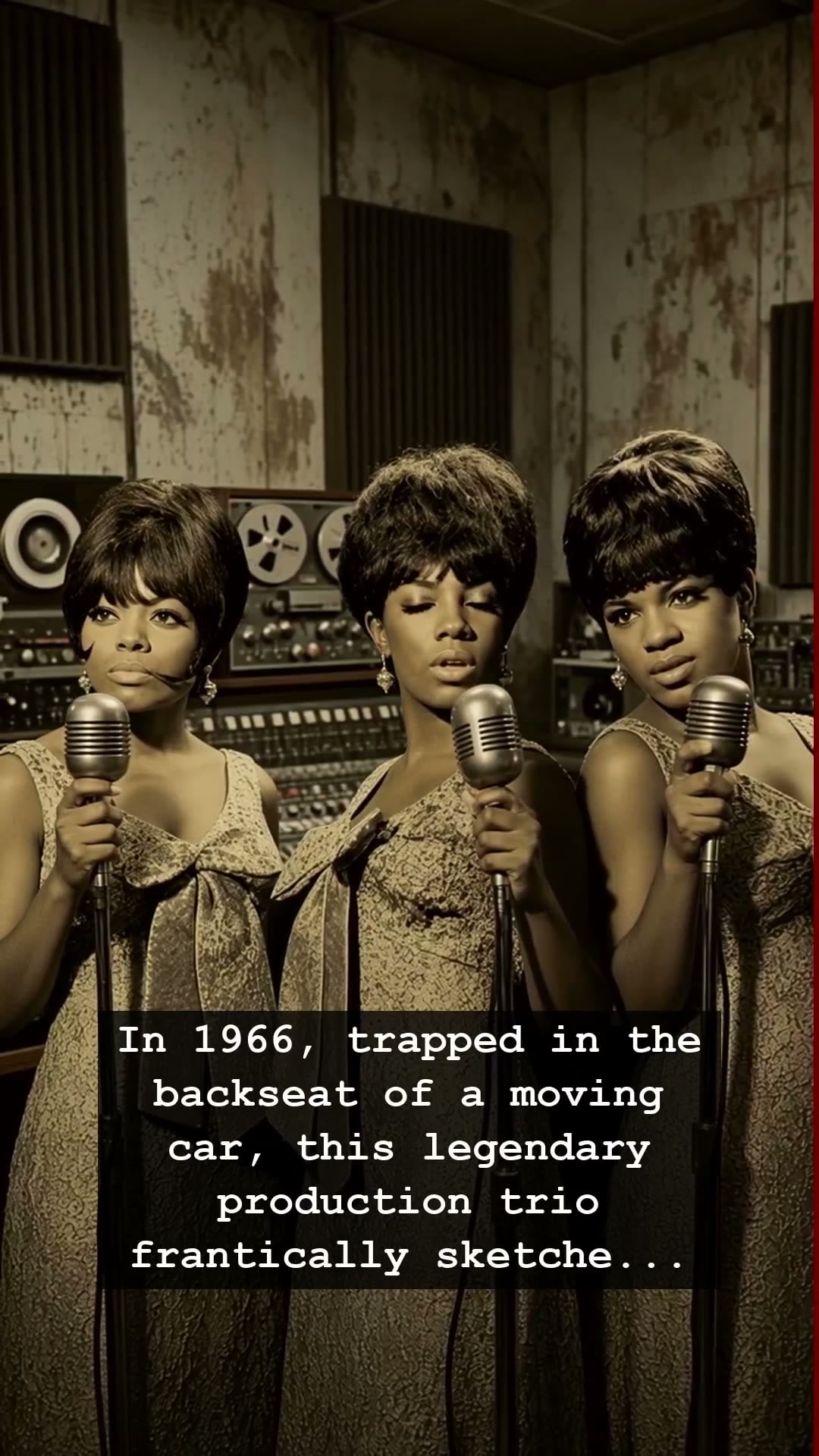
The year was 1966. The air was thick with the scent of gasoline and the buzzing energy of Detroit. Inside a cramped backseat, hurtling down the highway, three men were not just traveling; they were frantically scribbling musical notes onto jagged scraps of paper. These men were Brian Holland, Lamont Dozier, and Eddie Holland—the powerhouse production trio known as Holland Dozier Holland. While the world outside sped past, they were capturing lightning in a bottle, birthing a soul anthem that would soon dominate the airwaves and define an entire generation of Motown magic.
At the height of the mid-sixties, the Motown Sound was more than just music; it was the heartbeat of American culture. From the neon-lit dance halls to the intimate corners of a teenager’s bedroom, where a flickering transistor radio was the only window to the world, the work of Holland Dozier Holland provided the soundtrack to millions of lives. Their process was legendary for its intensity. They operated with a clinical precision, yet the creative spark was often frantic, born from the pressure of perfectionism that fueled the legendary Hitsville U.S.A. studio.
That specific 1966 commute stands as a testament to their genius. They were not merely writing songs; they were engineering pop perfection. The melody they sketched in that moving car became a piece of history, an immortal soul anthem that showcased the sophisticated, polished production style that made Holland Dozier Holland the architects of the Motown legacy. Their ability to fuse rhythm and blues with the emerging pop sensibilities of the era transformed local talent into international icons, forever changing the trajectory of American music.
But behind the shimmering production and the chart-topping success lay the immense weight of the industry. The brilliance of Holland Dozier Holland came with a cost. The constant demand for hits, the grueling hours, and the internal friction between artistic vision and the corporate machinery of the label were common tensions in that golden age of soul. They existed at the center of a whirlwind, balancing the immense fame of their roster—stars like The Supremes and The Four Tops—with their own internal drive to remain at the top of the food chain.
Decades later, the echoes of their work still vibrate through our modern playlists. We hear the influence of Holland Dozier Holland in every carefully layered chorus and every driving bassline of contemporary pop. Their story is a reminder of a time when music felt tactile, when hits were forged in the backseat of cars and in the basement studios of Detroit, rather than through sterile digital interfaces. They captured a raw, human energy that defined the soul of an era.
When you listen to those classic tracks today, you are hearing more than just a melody. You are hearing the sweat, the urgency, and the undeniable genius of a trio who understood the human heart better than anyone else in the business. They were the silent ghosts behind the voices of legends, and their legacy remains etched in the grooves of every vinyl record that spins to this day.