
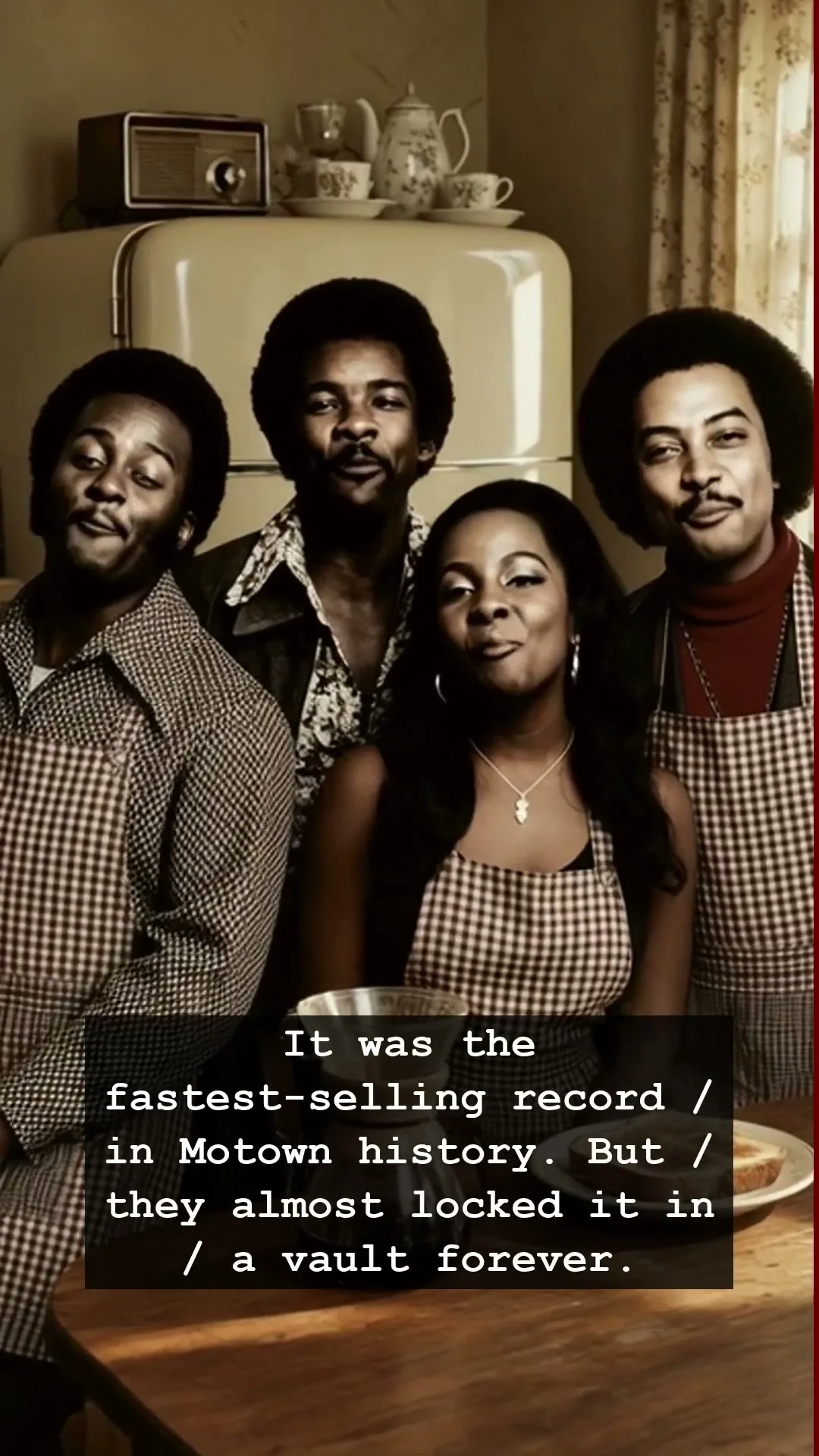
It was 1967, a year when the airwaves were humming with revolution, the scratch of vinyl on turntables, and the unmistakable soul of the Motor City. In the heart of Detroit, the hit factory known as Motown was churning out gold, but one song—a track that would eventually define a career—almost never saw the light of day. Gladys Knight and the Pips had walked into the studio with a gospel-tinged fire that would ignite the charts, yet the label’s founder, Berry Gordy, was far from convinced. To him, the arrangement was a sonic departure that didn’t fit the polished Motown aesthetic. He wanted it locked in a vault, buried alongside the other discarded tapes of the decade.
At the time, Gladys Knight and the Pips were already seasoned performers, their voices seasoned by years of touring the Chitlin’ Circuit. They brought a raw, unpretentious grit to the studio that contrasted sharply with the calculated perfection of the label’s inner circle. When they recorded the song that would become their breakout anthem, the energy was palpable. It was a fusion of rhythm and blues that captured the restless spirit of an era shifting toward something bolder. Yet, the corporate gatekeepers saw only a liability. They nearly silenced a record that would go on to be the fastest-selling single in Motown history, forever altering the trajectory of the group and the landscape of soul music.
It is fascinating to consider how the history of music often hinges on these fragile, human moments of doubt. Had that master tape remained in the dark, gathering dust, we might have been robbed of the definitive sound of Gladys Knight and the Pips. The song eventually slipped out, bypassing the cautious executives, and found its way to the ears of a public starved for authenticity. It climbed the charts with a velocity that defied the skeptics, turning from a rejected experiment into a jukebox staple that played in every diner and dance hall across America.
Reflecting on this era, one cannot help but feel the weight of those analog days. Before the instant gratification of digital streaming, music was a tactile experience. You waited for the needle to drop on a 45, the static crackle serving as a prelude to a story told in three minutes. Gladys Knight and the Pips delivered that story with an elegance that bridged the gap between the gospel church and the pop arena. They proved that soulful conviction could overcome the rigid blueprints of industry titans, leaving an indelible mark on the soundscape of the late sixties.
Today, when we hear the familiar opening notes, we are transported back to a time of social upheaval and creative daring. The story of this near-lost masterpiece reminds us that the greatest art often emerges from tension and defiance. Gladys Knight and the Pips did more than just release a record; they carved out a legacy by trusting their own rhythm when the world was telling them to be quiet. So, the next time the needle hits the groove, listen closely—you are hearing the sound of a voice that refused to be silenced, echoing through the halls of music history.