
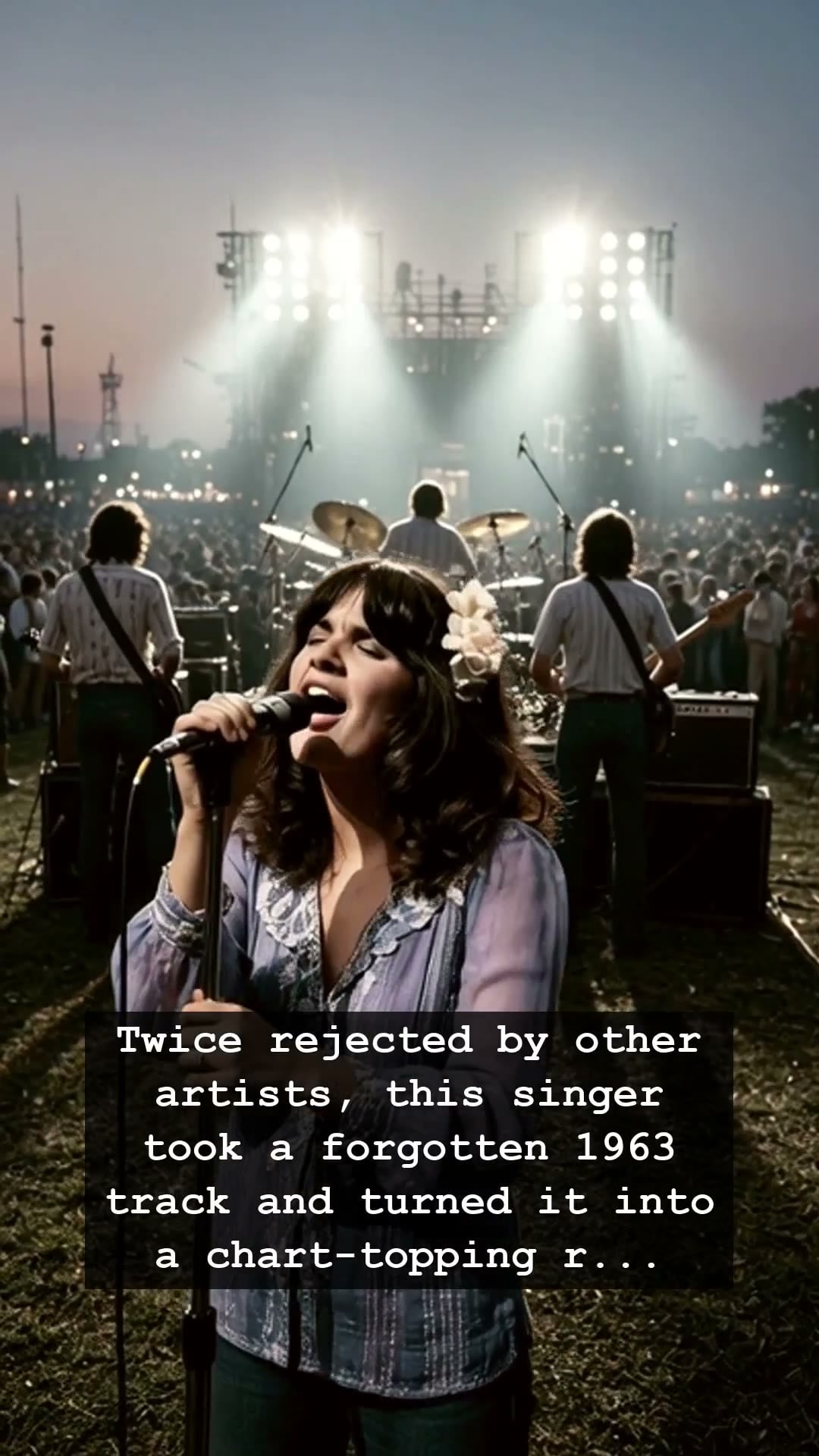
The year was 1974, and the airwaves were dominated by the polished sound of the mid-seventies. Amidst the rise of arena rock and the growing cultural influence of the FM radio dial, one woman was quietly dismantling the industry’s perception of what a female rock star could achieve. Linda Ronstadt was not merely a singer; she was a force of nature, a voice that could cut through the noise of the disco era with the raw, emotional urgency of pure rock and roll. While many saw a pop star, she saw a canvas, and her sights were set on a dusty, forgotten track from 1963 that had already been discarded by two major acts. It was a bold move that would define her career and cement her legacy in the annals of American music history.
The song was You’re No Good, a track that had languished in obscurity as a B-side, seemingly destined for the bargain bins of history. To the suits in the record offices, it was a relic, a mistake waiting to happen. But Linda Ronstadt heard something different. She sequestered herself in the studio, treating the recording process with a level of obsessive precision that bordered on the spiritual. She wasn’t just covering a song; she was excavating it. She stripped away the polite arrangements of the early sixties, replaced them with a driving, relentless rhythm, and layered her own powerhouse vocals on top. When the final mix was played back, the room went silent. She had transformed a discarded scrap of melody into an unstoppable, chart-topping rock anthem.
This success did not happen in a vacuum. It occurred during an era when the music business was transforming from the raw, garage-band aesthetic of the sixties into a high-stakes, corporate-driven powerhouse. Linda Ronstadt stood at the center of this shift, navigating the pressures of constant touring and the isolation that often accompanies the climb to the top. The weight of fame, the demands of the label, and the exhausting reality of the road were constant shadows. Yet, her ability to identify the soul within a forgotten track became her trademark. She possessed a rare, almost prophetic instinct for song selection that challenged the status quo, proving that artistic integrity could survive the corporate machinery of the seventies.
Her performance of the track became more than just a hit; it became a cultural touchstone for those who spent their evenings huddled around a Walkman or listening to late-night radio broadcasts. The song resonates today because it feels authentic—it is the sound of a woman asserting her voice against the skepticism of an entire industry. Linda Ronstadt brought a sense of danger and genuine heartache to a track that others had treated as disposable. It remains a testament to the idea that a forgotten melody, if placed in the right hands, can change the trajectory of a legend’s career.
Today, as we look back on that golden age of rock, we are reminded that some stories are best told through the tracks that weren’t meant to be hits at all. Linda Ronstadt never settled for the path of least resistance. She chased the ghosts of old B-sides and breathed new, fiery life into them, crafting a sound that still vibrates through our speakers with every play. Whether you remember the first time you heard it on the radio or you are just discovering this classic, the story of this song remains a perfect snapshot of a time when music felt truly alive. Do you remember the moment the needle dropped and the world shifted for Linda Ronstadt?