
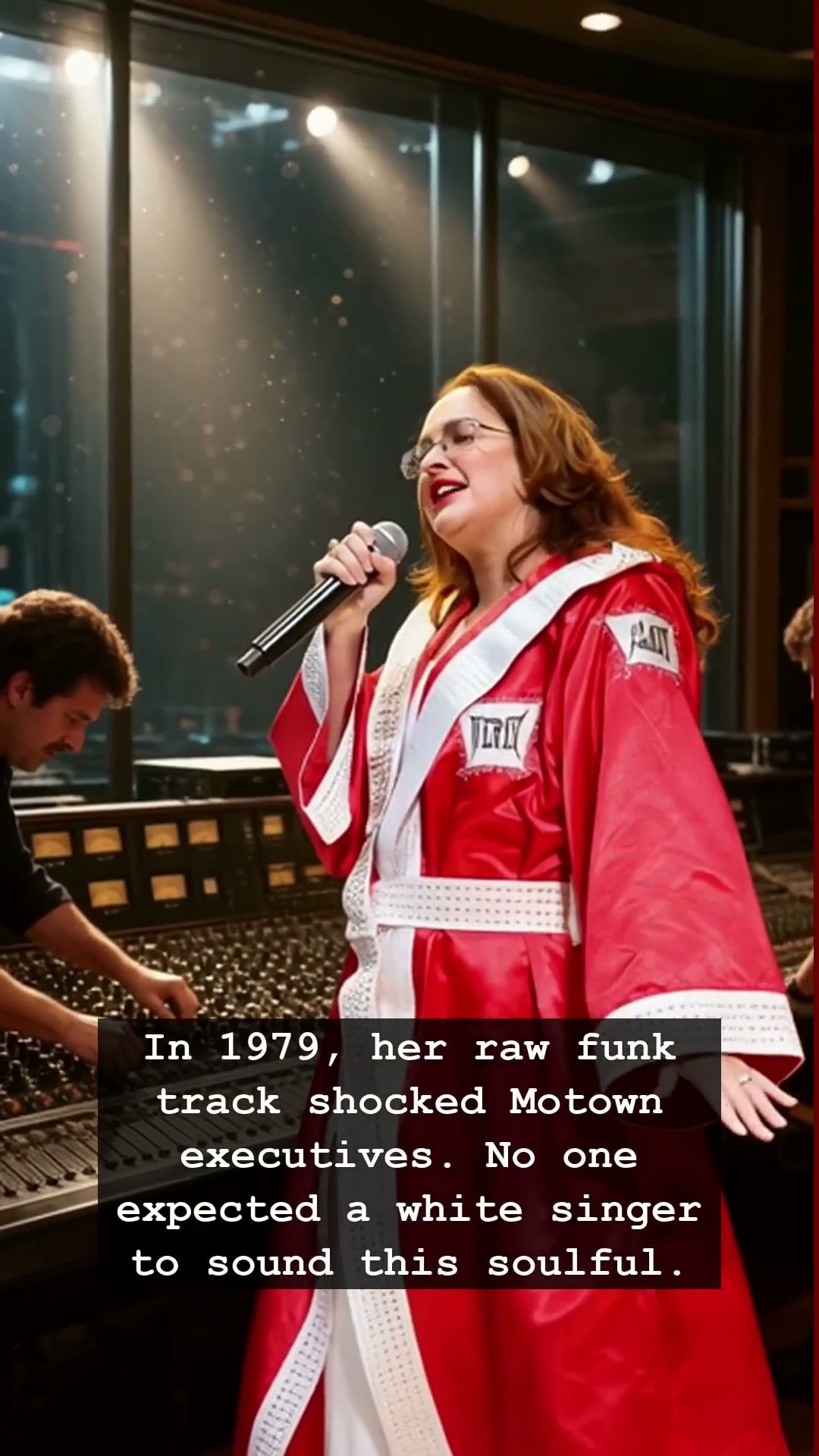
It was 1979, and the halls of Motown Records were echoing with a sound that felt like a seismic shift in the soul landscape. A raw, blistering funk track was reverberating through the studios, stopping executives in their tracks. The voice was unmistakable—deep, raspy, and overflowing with the kind of authentic gospel-rooted passion that defined the era. When the record played, every listener in the room was convinced they were hearing a rising Black soul diva. When they saw the artist for the first time, the silence that followed was heavy with shock. The woman behind the voice was Teena Marie, a white singer from Venice, California, whose talent would soon defy every unwritten rule of the music industry.
Teena Marie, often affectionately called Lady T, arrived at a time when the lines of soul and R&B were strictly guarded. Motown had long been the powerhouse of Black American music, and the arrival of a white artist singing with such profound, gritty soul was a marketing anomaly that terrified the traditionalists. Her mentors, including the legendary Rick James, recognized immediately that she possessed a gift that transcended racial boundaries. Her debut album, Wild and Peaceful, became a masterclass in funk and R&B, proving that the soul was not something defined by skin color, but by the fire in one’s voice. She did not just perform the music; she lived it.
In an era dominated by the glitz of Studio 54 and the burgeoning influence of the disco revolution, Teena Marie managed to carve out a space that felt both trendy and timeless. She was a rarity—a producer, songwriter, and vocalist who commanded the studio with the same intensity she brought to the stage. While audiences across the country were discovering her sound via their radios and Walkmans, many remained unaware of her background until they saw her perform. This visual disconnect was not a gimmick; it was a testament to her vocal authenticity. She was a true soul artist in every sense, forcing the public to confront their own biases through the power of a melody.
Her career path was far from smooth, marked by high-stakes legal battles and the crushing pressure of the industry, yet her legacy remained untouched by the chaos. She stood as a bridge between generations, deeply rooted in the traditional Motown sound while pushing the boundaries of what contemporary funk could achieve. Even decades later, the story of Teena Marie serves as a poignant reminder of a time when the music business was a rigid machine that could not process a talent as fluid and free as hers.
Today, we look back at Teena Marie not just as a footnote in history, but as a pioneer who forced the world to listen first and judge later. Her work remains a staple for anyone who truly appreciates the golden age of soul. The next time you hear one of her tracks echoing from a vintage jukebox, close your eyes and listen to the raw, undeniable truth she poured into every single note. It is a voice that still sounds like a revelation, proving that the only thing that matters in the end is the song itself.