
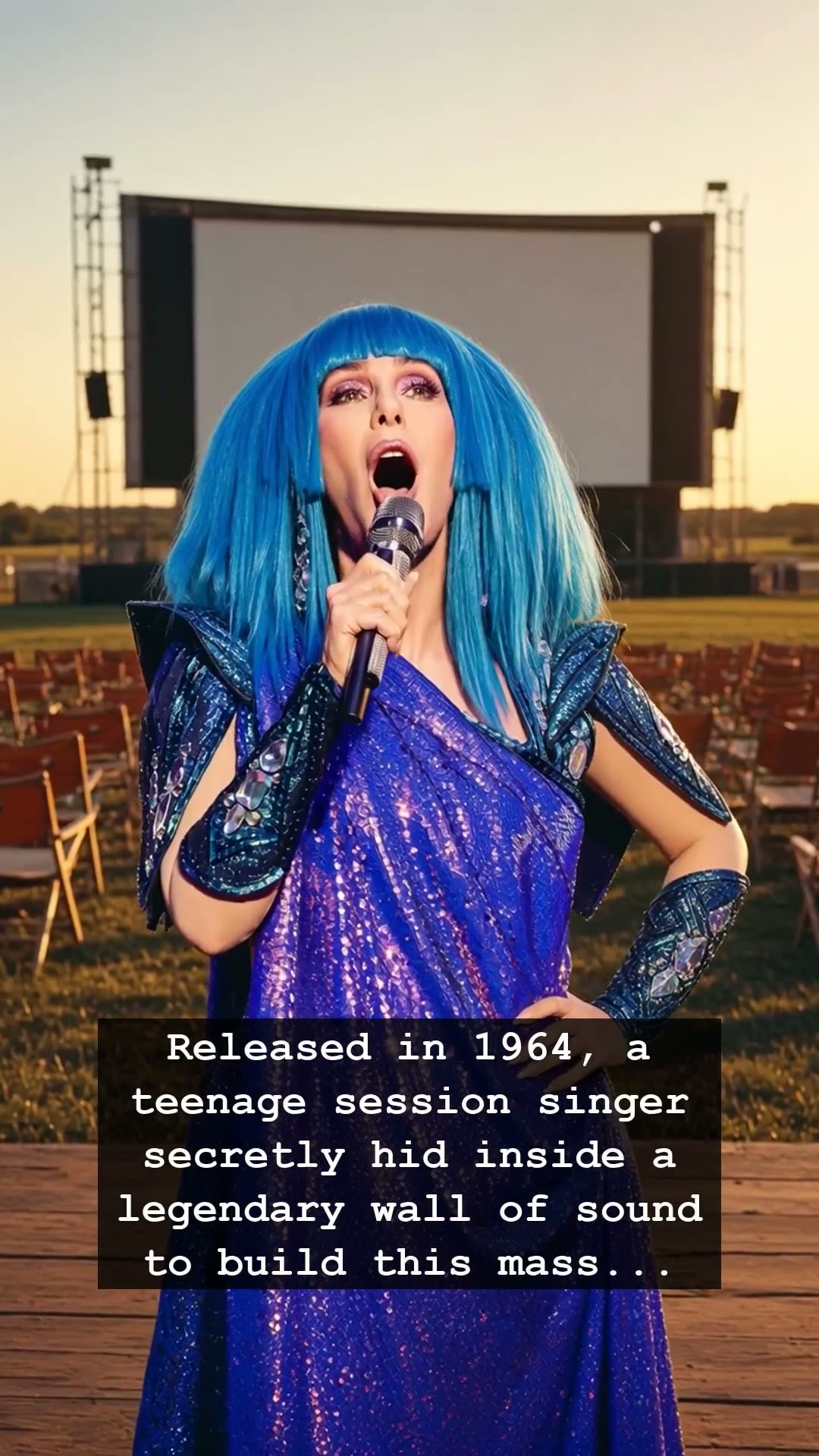
It was 1964, a year defined by the shifting tides of American pop culture. In a dimly lit, smoke-filled Los Angeles studio, the air was thick with the scent of floor wax and nervous ambition. While the world was busy obsessing over the British Invasion, a terrified, seventeen-year-old girl named Cherilyn Sarkisian was huddled in the corner, desperate to stay invisible. She was just a background session singer at the time, yet she was about to become an accidental architect of one of the most iconic sounds in music history. This is the story of how a nervous teenager helped cement a masterpiece that would echo through the decades.
The legendary Phil Spector, a man known for his volatile temper and his revolutionary Wall of Sound, demanded perfection. He layered instrument upon instrument, creating a sonic cathedral that required precise vocal textures. Within this dense, swirling atmosphere of orchestration, young Cher stood behind the microphone, her voice blending seamlessly into the backing tracks of hits like You’ve Lost That Lovin’ Feelin’. She was often terrified of the studio environment, fearing the wrath of producers if she hit a wrong note. Yet, her unique, low-register timbre added an essential, earthy grit to those polished pop gems, giving them a raw, human soul that the pristine production otherwise lacked.
At the time, nobody knew that the woman who would eventually become the Goddess of Pop was hiding in the shadows of these radio hits. Cher was a ghost in the machine, contributing to the fabric of 1960s culture while barely earning a paycheck. She spent her days navigating the cutthroat music industry, fueled by the dream of standing in the spotlight rather than behind it. The disconnect between her secret vocal contributions and her public anonymity during these sessions created a psychological pressure cooker that would eventually ignite her legendary solo career alongside Sonny Bono.
Think back to the crackle of a Jukebox in a local diner or the warm hum of a transistor radio pressed against your ear. When you hear those massive, soaring choruses from that era, you are hearing the hidden labor of a girl who was destined for much more than background humming. Those tracks were the blueprint for the spectacle that would later define the decade—from the mod fashion of the Sunset Strip to the eventual rise of the superstar power couple. It is a testament to how even the biggest icons often start as anonymous cogs in a larger, complex machine.
Today, these tracks remain timeless because they capture a specific lightning-in-a-bottle moment of American musical innovation. When we listen to Cher today—with her decades of chart-topping success and cultural dominance—we are still listening to the echoes of that frightened girl in 1964. She learned the secrets of the studio from the masters, and she eventually turned those lessons into an empire that transcended generations. The next time you spin one of these vintage records, listen closely; you might just hear the secret, foundational voice of a legend just beginning to find her strength.