
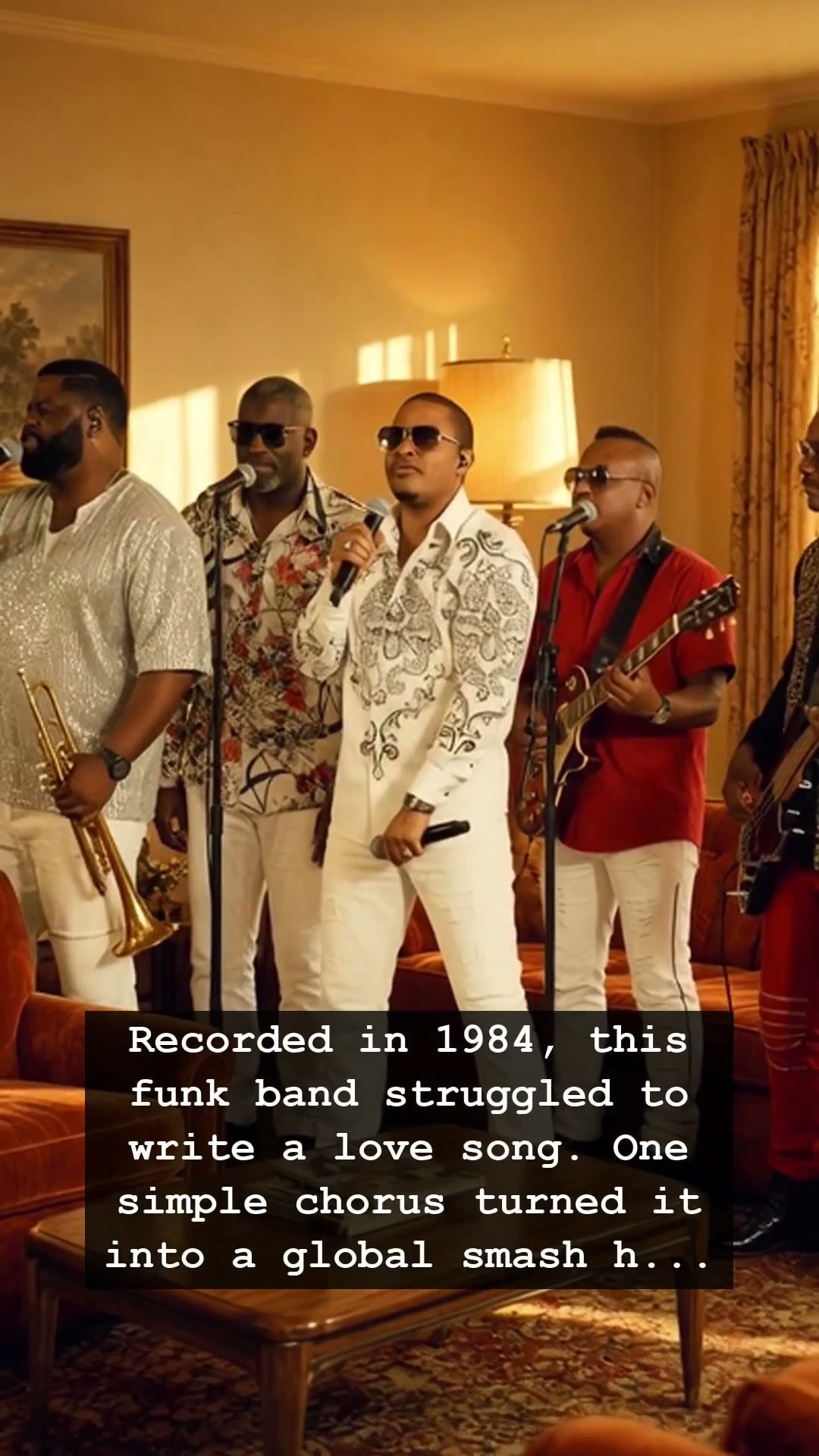
In the neon-soaked haze of 1984, the music industry was undergoing a seismic shift. While the world was busy dancing under the flashing lights of discotheques and embracing the synthetic pulses of early MTV, one funk powerhouse was quietly fighting a battle in the studio. Kool and the Gang, a band legendary for their brass-heavy, dance-floor-shaking rhythms, found themselves staring at a blank page. They were masters of the groove, yet they were struggling to capture the elusive, tender essence of a true love song. The air in the studio was thick with frustration as the band members toyed with melodies that felt forced, lacking the organic magic that had defined their career since their formation in the late sixties.
At the center of this creative storm was the band’s bassist, who sat in the corner with a notebook filled with scribbled lines of heartache and uncertainty. He had been laboring over a ballad that felt too heavy, too somber, and completely out of place for a group known for infectious, high-energy funk. At one point, he was ready to discard the composition entirely, convinced that the world did not want to hear a vulnerable side of Kool and the Gang. The pressure to stay relevant in a rapidly evolving sonic landscape was suffocating, and the band felt the sting of a potential creative dead end.
Then, in a moment of pure, cinematic inspiration, the mood shifted. A simple, melodic chorus was introduced, acting as the key that unlocked the entire song. It was a sweet, soul-searching refrain that transformed the stagnant ballad into the global smash hit known as Cherish. The song was a massive departure from their typical funk sound, yet it resonated with listeners on a profound, visceral level. It wasn’t just a track; it became an anthem for a generation of romantics who had grown up listening to their records on bulky Walkmans and jukeboxes across the country.
When Cherish was released, it proved that even the grittiest funk bands had soft hearts. It climbed the charts and stayed there, becoming a permanent fixture at weddings, high school dances, and quiet nights spent under the glow of bedroom record players. The success of this hit reminded the industry that while trends might change and electronic synthesizers might take over the airwaves, a genuine, well-crafted song about human connection would never lose its power. It bridged the gap between the band’s soulful roots and the polished sound of the mid-eighties.
Today, hearing those opening notes transports listeners back to a time when life felt a little slower and the music held a weight that seems missing from the digital noise of today. Kool and the Gang proved that by leaning into their vulnerability, they could create something that stood the test of time. That simple, beautiful chorus did more than just sell records; it cemented the group’s legacy as more than just a party band. It turned them into the soundtrack of our most precious, enduring memories. Do you remember where you were the first time you heard it?