
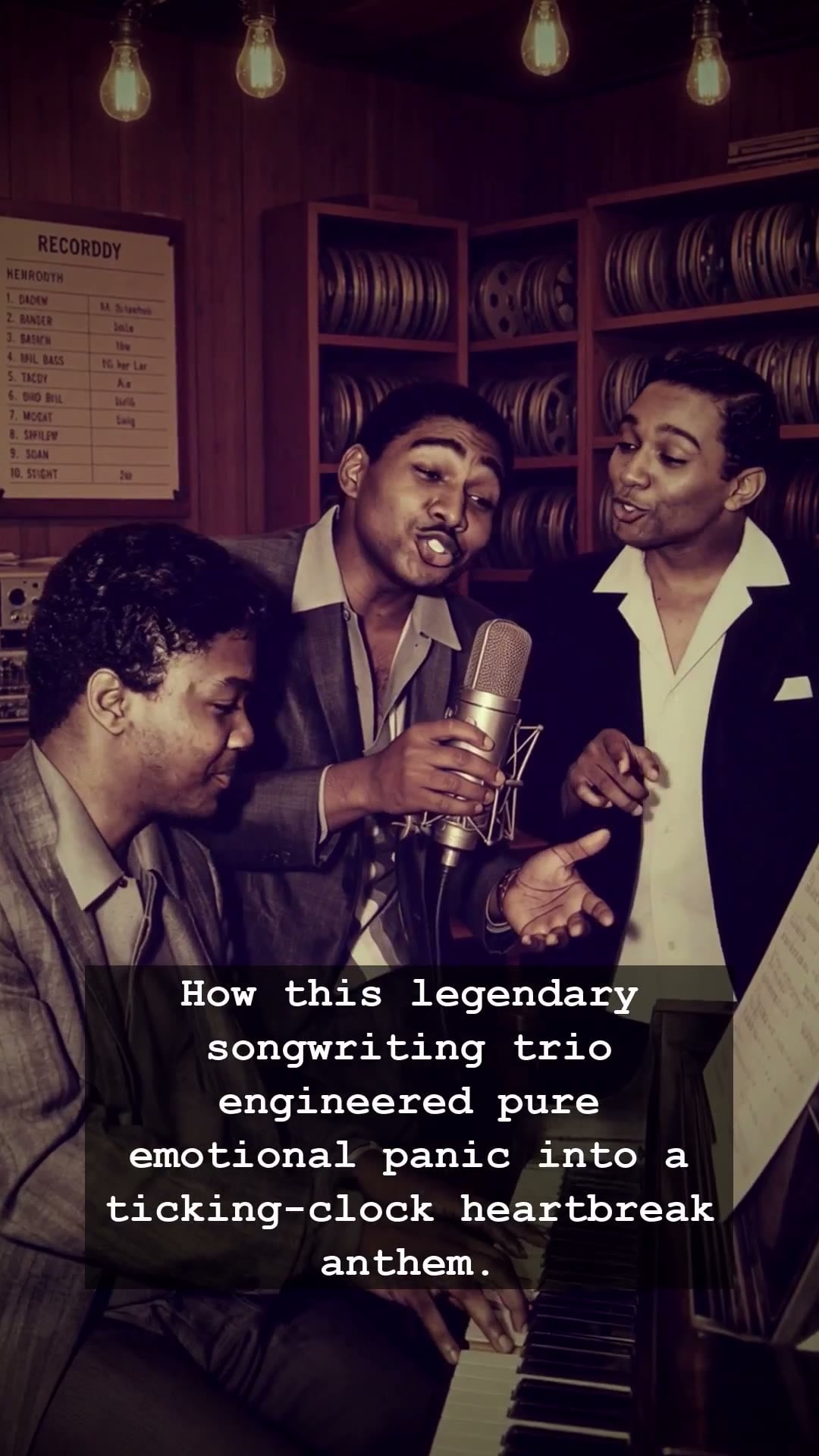
It begins with a sound that feels like a heartbeat skipping—a rhythmic, relentless pulse that defined an entire generation’s idea of longing. If you grew up in the era of transistor radios and polished vinyl, you know exactly the sensation: the moment the needle hits the groove of a classic Motown hit, and the world outside the living room simply stops. But behind the glitz of the Motown charm school and the shimmering stage presence, a trio of architects was working in the shadows, crafting a blueprint for emotional devastation. Holland Dozier Holland were not just songwriters; they were sonic engineers of the soul who understood that pure panic and heartbreak were the secret ingredients to pop immortality.
Brian Holland, Lamont Dozier, and Eddie Holland possessed a terrifyingly precise ability to translate raw human misery into a ticking-clock anthem. They treated a studio session like a military operation, obsessing over the exact millisecond a snare drum should snap or how a bassline could mimic the frantic anxiety of a person waiting by the telephone. By engineering this manufactured, beautiful panic into their compositions, Holland Dozier Holland ensured that when you heard their work—perhaps on a flickering television screen or blaring from a jukebox in a crowded diner—you weren’t just listening to a song; you were living through the agonizing, rhythmic pressure of a relationship falling apart in real-time.
In the competitive, high-stakes ecosystem of Hitsville U.S.A., their formula was a weapon. They viewed the constraints of the three-minute radio single as a canvas for high-stakes drama. Every chord progression was designed to heighten the stakes, and every vocal delivery they coaxed from the legendary Motown roster was meant to sound like a final confession. Their genius lay in the tension; they understood that true pop perfection required a touch of the macabre, a hint of the chaos that exists just beneath the surface of a polished, radio-friendly exterior. This was the era of the walkman and the midnight broadcast, where these songs became the private soundtrack for millions of listeners navigating their own midnight heartbreaks.
Reflecting on their legacy today, it is clear that Holland Dozier Holland were the grand masters of the psychological hook. They knew that to make a melody last, you had to make it hurt just enough to be memorable. Whether it was the frantic tempo of a drum machine or the soaring, desperate plea of a soulful lead vocal, they never let the listener settle into comfort. They kept the rhythm moving forward like a ticking clock, reminding us that time is short and love is often a fragile, fleeting thing. It was a dark, brilliant alchemy that elevated Motown from mere dance music to a profound exploration of human endurance.
Decades later, the echoes of their brilliance still vibrate through the airwaves. Every time we hear those familiar, sharp percussive hits, we are transported back to a time when music was the most dangerous and beautiful thing in the world. Holland Dozier Holland remain the silent geniuses who taught us that the most devastating heartbreaks are the ones that keep the best beat. So, the next time you find yourself tapping your foot to a mid-century soul classic, remember the ticking clock hidden in the mix—and the master engineers who made your sorrow sound like the greatest song ever written.