
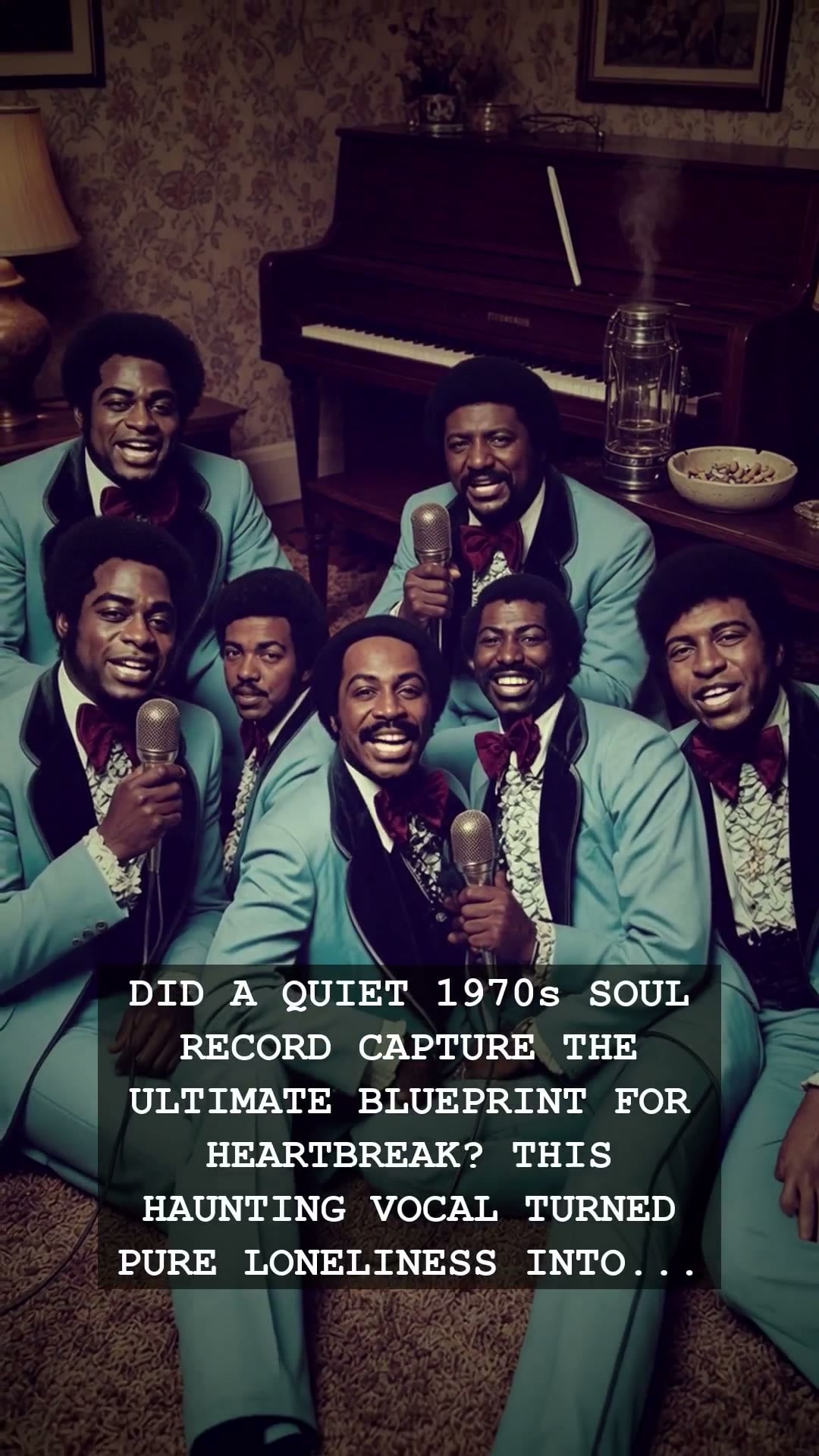
The year was 1972, and the airwaves were crowded with the shimmer of disco and the political unrest of post-Woodstock America. Yet, in the heart of Philadelphia, a sound was emerging that felt like a cold, wet rain on a lonely city street. When Harold Melvin and the Blue Notes released their seminal track If You Don’t Know Me By Now, the world wasn’t just hearing a song; they were witnessing the ultimate blueprint for heartbreak. It was a vocal performance so raw and so agonizingly honest that it transformed the concept of loneliness into a timeless masterpiece, echoing through the neon-drenched corridors of history.
At the center of this emotional storm was Teddy Pendergrass, whose voice carried the weight of a thousand unsung sorrows. While Harold Melvin and the Blue Notes were arguably the architects of the Philly Soul sound, the internal dynamic of the group was far from harmonious. Behind the polished arrangements and the suits that defined the era, there existed a simmering tension, a power struggle between the group’s namesake and his breakout lead singer. This was the dark side of the fame factory, where ego and talent often collided, leaving the music as the only surviving witness to the internal fire.
Listen closely to the production, and you can almost hear the ghost of a mid-70s Jukebox, the crackle of a worn-out vinyl spinning in a dimly lit basement. There is a specific kind of agony in those opening piano chords that feels inherently tied to the transition of the decade—a shift from the hope of the sixties into the cynicism of the seventies. Harold Melvin and the Blue Notes captured something that standard pop songs of the era couldn’t reach. They didn’t just sing about love; they sang about the exhaustion of trying to be understood by someone who refused to look past the surface.
This wasn’t merely a performance; it was a confrontation. The drama of the studio mirrored the drama of their personal lives. As the group climbed the charts, the cracks in their foundation began to show. The pressures of the industry, the grueling tour schedules, and the intoxicating yet destructive nature of stardom turned Harold Melvin and the Blue Notes into a tragic case study of musical brilliance marred by interpersonal strife. Yet, that very tension is exactly what makes the music endure. It is the sound of real human beings fracturing in real-time.
Today, when we revisit these tracks, we aren’t just listening to soul music; we are opening a time capsule. We are transported back to a time when melodies were deep enough to drown in and lyrics were etched with the sharp edges of genuine pain. Harold Melvin and the Blue Notes remain the gold standard for those who understand that the most beautiful songs are often the ones born from the deepest scars. If you ever feel like the world is moving too fast, put on this record, close your eyes, and let the echoes of Philly soul remind you that you are not alone in your heartbreak.