
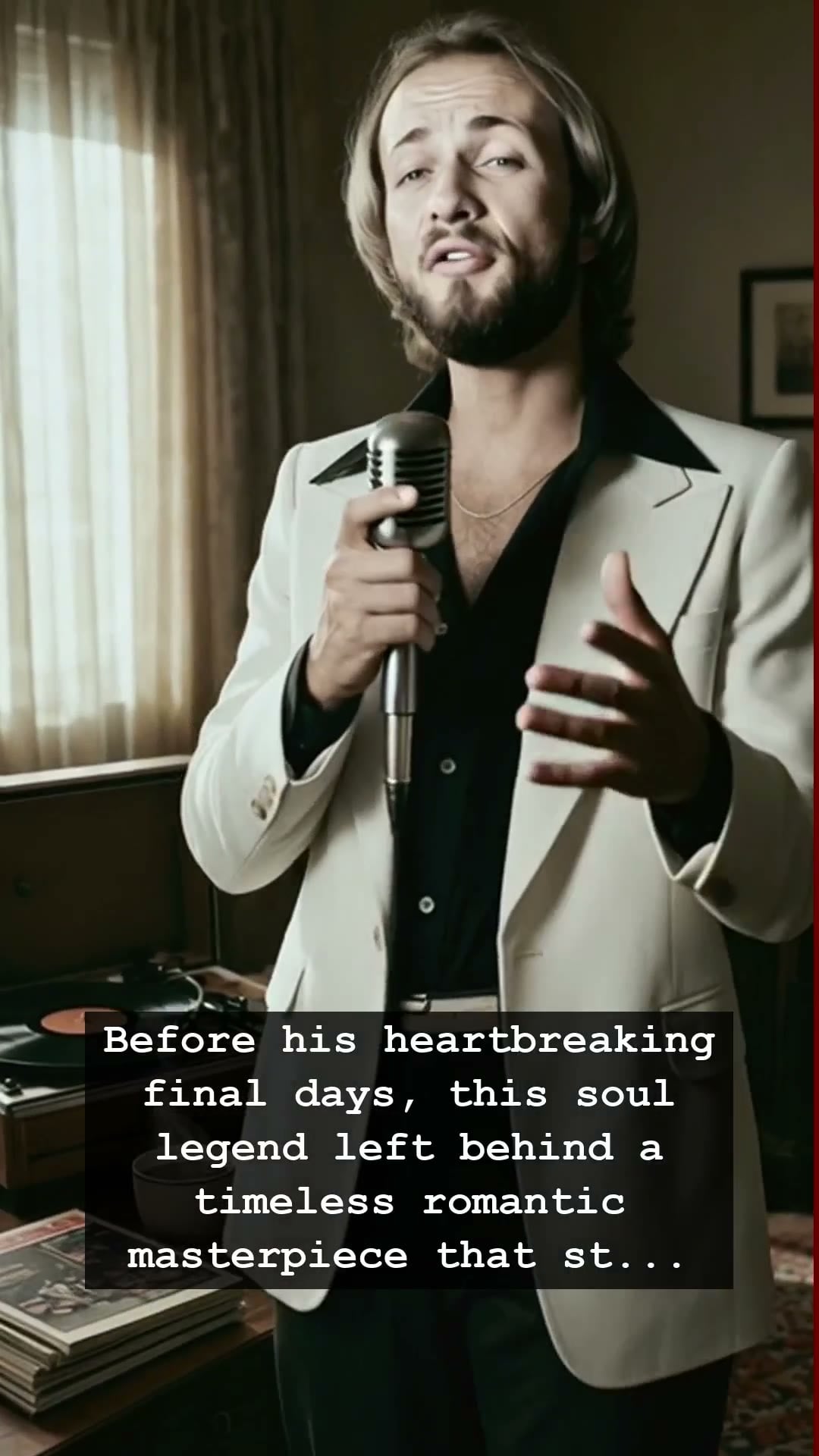
In the golden haze of 1978, a voice emerged from the smoky, dim-lit corners of the late-night radio waves that sounded like it had been pulled from a bygone era of pure, unfiltered romance. It was the voice of Bobby Caldwell, a man whose soulful delivery seemed to carry the weight of a thousand heartbreaks. With the release of his iconic hit What You Won’t Do for Love, he didn’t just climb the charts; he etched himself into the fabric of American music history. Yet, for many listeners caught in the grip of the velvet-smooth saxophone line and that unforgettable chorus, the man behind the melody remained a mystery, often obscured by the very culture that adored him.
At the time, the record label feared that the public would be biased by the color of his skin, and so they kept Bobby Caldwell hidden, choosing to feature a silhouette of him on the album cover rather than a portrait. It was a cold, calculated move typical of the industry machinations of the late seventies, a time when image was becoming just as vital as the vinyl itself. Despite this manufactured anonymity, his raw talent could not be contained. As the song played out of heavy, dust-caked Jukebox machines in dimly lit dives and drifted from the speakers of stylish cruisers, listeners were captivated. They didn’t need to see his face to feel the ache in his voice; the music spoke directly to the vulnerability of the human heart.
Bobby Caldwell was a master of his craft, effortlessly blending the soulful traditions of the Motown era with the sophisticated, smooth jazz sensibilities that defined the transition into the eighties. He navigated the landscape of fame with a quiet dignity, even as the industry shifted beneath his feet. Throughout his life, he remained a musician’s musician, someone who understood that the most powerful songs are those that feel like a private confession. His career spanned decades, yet he never quite shook the label of the man who gave the world the ultimate love song, a track that has been sampled, covered, and cherished by generations of dreamers who found solace in his lyrics.
His final days were far removed from the glitz of the limelight, marked by a struggle with health that contrasted sharply with the eternal vitality of his music. The heartbreaking reality of his passing serves as a poignant reminder of the fragility of the legends we hold dear. When we look back at the era of the Walkman and the slow transition into the digital age, Bobby Caldwell stands as a monument to a time when soul music wasn’t just a genre; it was an emotional necessity. He left us with a legacy that transcends time, a reminder that true art never really dies as long as there is someone left to listen.
Today, when that familiar, melancholic intro rings out, it transports us back to a world of neon lights and late-night drives. We are reminded of the power of a voice to bridge the gaps in our own lives, connecting us to a shared sense of longing. Bobby Caldwell was more than just a hitmaker; he was a keeper of memories, a man who gave us a soundtrack for our most intimate moments. Even now, his masterpiece echoes in the quiet hours of the night, waiting for you to press play and remember exactly where you were when you first heard his soul take flight.