
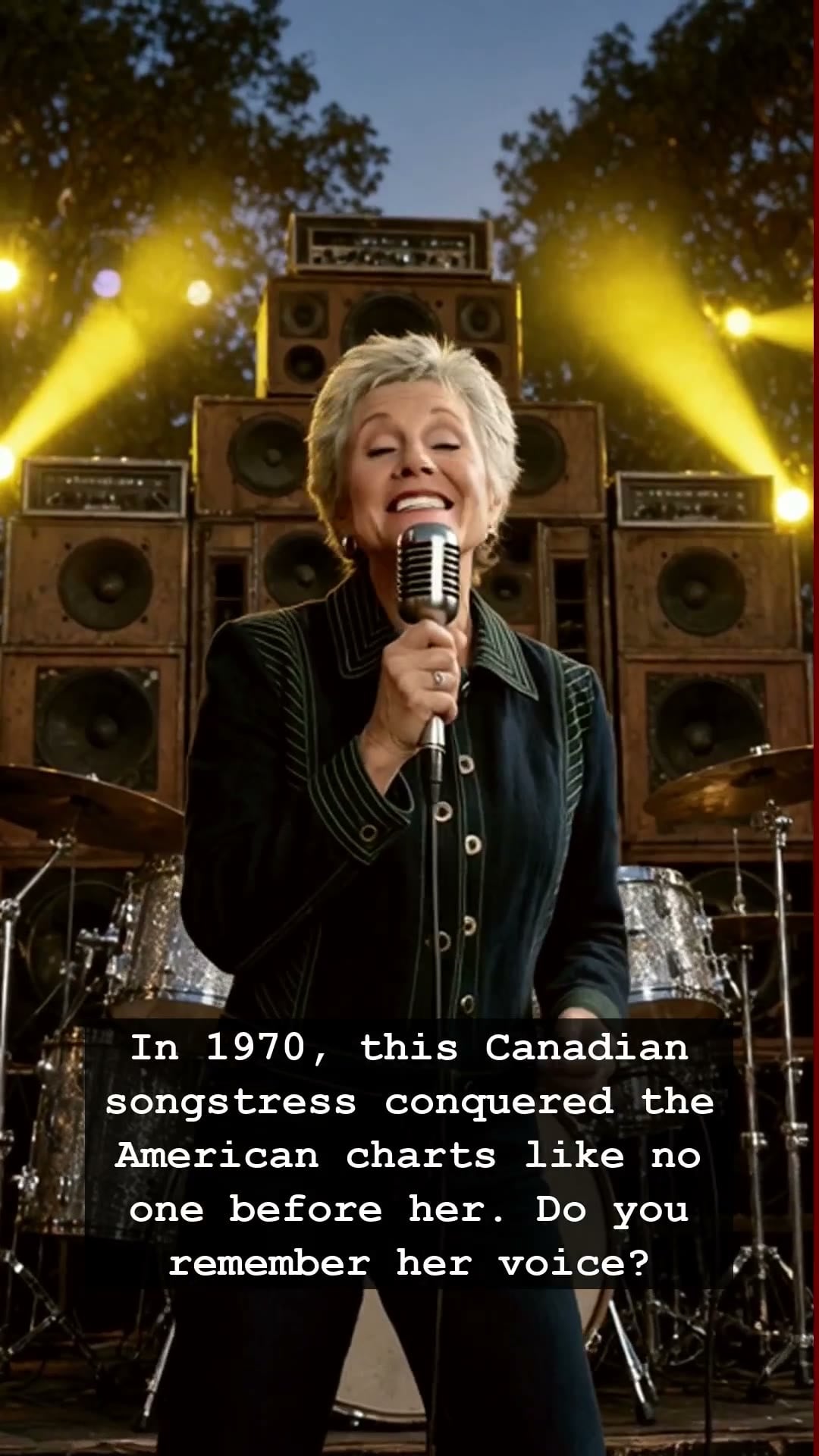
The year was 1970, and the American radio landscape was a volatile battleground. While the aggressive riffs of psychedelic rock and the heavy, distorted echoes of the post-Woodstock era dominated the FM dials, something soft, crystalline, and impossibly fragile pierced through the noise. It was a voice that arrived from the north, carrying the weight of a long, lonely winter. That voice belonged to Anne Murray. When her signature track Snowbird hit the airwaves, it did not just climb the charts; it shattered them, turning this Canadian songstress into a household name and the first woman from the Great White North to reach the pinnacle of the American Billboard charts with a million-selling smash.
To understand the magnitude of Anne Murray during this era, one must recall the atmosphere of the early seventies. It was a time of transition, where the raw, explosive energy of the sixties was cooling into something more melancholic and introspective. For many listeners, the jukeboxes of local diners and the AM radios in rusted sedans became gateways to emotional sanctuary. Anne Murray offered that sanctuary. Her delivery was not about theatrical flair or arena-filling screams; it was about the aching intimacy of a diary entry set to music. Snowbird was more than just a melody—it was a cultural moment that resonated with the restless hearts of a generation caught between the trauma of the Vietnam era and the hope of a new decade.
Behind the velvet tone and the clean-cut image, the music industry was a relentless machine that chewed up artists who lacked a spine of steel. Anne Murray, however, possessed a quiet, stoic resilience that allowed her to navigate the treacherous waters of fame without losing her soul. While many of her contemporaries were succumbing to the dark pressures of the limelight, fueled by the era’s pervasive reliance on chemical escapes, Murray kept her feet on the ground. She transformed her vulnerability into a commodity that felt authentic rather than manufactured, a rare feat in an age where the corporate machine was beginning to tighten its grip on artistic output.
What makes the story of Anne Murray so enduring is the way her music acts as a sensory time machine. When you hear the opening notes of her hit today, it instantly transports you back to a simpler time: the scent of a worn-out record sleeve, the hum of a cassette player, or the quiet solitude of driving home through a twilight winter. She captured a specific type of ache—a longing for connection that remains universal even decades later. Her success paved the way for a generation of female artists to own their narrative and prove that a gentle voice could be just as powerful as a thunderous guitar solo.
As we look back at the pantheon of music legends, it is easy to overlook the artists who built their careers on sincerity rather than scandal. Anne Murray remains a testament to the fact that you do not need to shatter expectations with controversy to leave a permanent mark on history. Her voice remains etched in the collective memory of Boomers and Gen X alike, a soft melody that once stopped the world in its tracks. Do you still remember where you were when you first heard her sing of the snowbird? The song might be decades old, but the emotion she poured into it is as sharp and beautiful today as it was in the winter of 1970.