
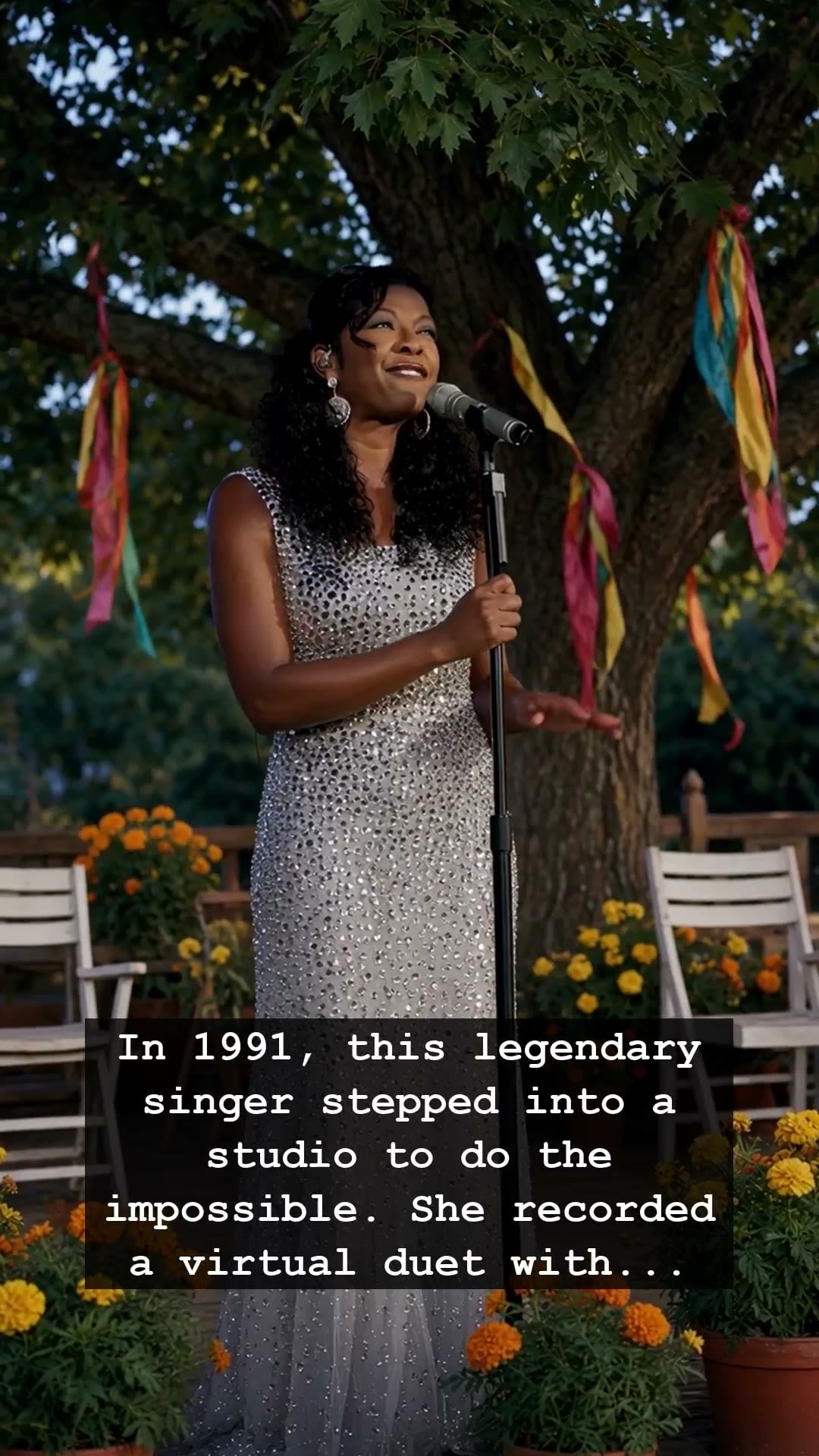
It was 1991, an era defined by the rise of MTV and a rapid shift in musical technology. Yet, the world paused for a moment of quiet, ethereal beauty that transcended the physical realm. Natalie Cole walked into a recording studio to attempt the impossible: a duet with her father, the legendary Nat King Cole, who had been gone for twenty-six years. As she strapped on her headphones, she wasn’t just recording a song; she was reaching across the veil of time to touch a ghost. The resulting track, Unforgettable, didn’t just top the charts—it stopped hearts, proving that the bond between a father and daughter is truly immortal.
To understand the gravity of this moment, one must look back at the long, complicated shadow cast by Nat King Cole. As a titan of the American songbook, his voice was the soundtrack to millions of lives, but for Natalie Cole, he was a figure of distant perfection. Growing up under the weight of his immense legacy was a burden that led her through her own personal struggles, including a public battle with addiction. By the time the early nineties rolled around, Natalie had already carved out her own R&B success, but she had never quite found the bridge to her father’s world until this technological marvel was proposed.
Engineers used pioneering overdubbing techniques to isolate Nat King Cole’s original vocal tracks from 1951, cleaning the audio until it sounded as crisp as a modern recording. When Natalie finally sang alongside those resurrected notes, the studio fell into a hushed, reverent silence. It was raw, authentic, and deeply unsettling in its perfection. The audio technology of the time, often associated with the cold synthesizers of the synth-pop era, had suddenly been repurposed to facilitate a profound human connection. The result was not a gimmick; it was a masterclass in emotional storytelling.
When the song was released, it swept the Grammys and introduced a new generation of listeners to the velvet-smooth elegance of the mid-century crooner. For the Boomers who grew up in the golden age of the jukebox, it was a nostalgic homecoming; for the youth of the nineties, it was a haunting introduction to a musical icon. The track echoed in grocery stores, car radios, and living rooms, becoming an instant staple of American culture. It turned the concept of a posthumous duet into a high-art form, setting a bar that few have matched since.
Decades later, the memory of Natalie Cole and her father harmonizing in that studio remains a touchstone of musical history. It serves as a reminder that while voices may fade and eras may shift, the power of a melody is a permanent legacy. The story of Unforgettable is more than just a hit record; it is a testament to the way music allows us to hold onto those we have lost. Do you remember where you were when you first heard their voices entwine, bridging the decades to find each other in song?