
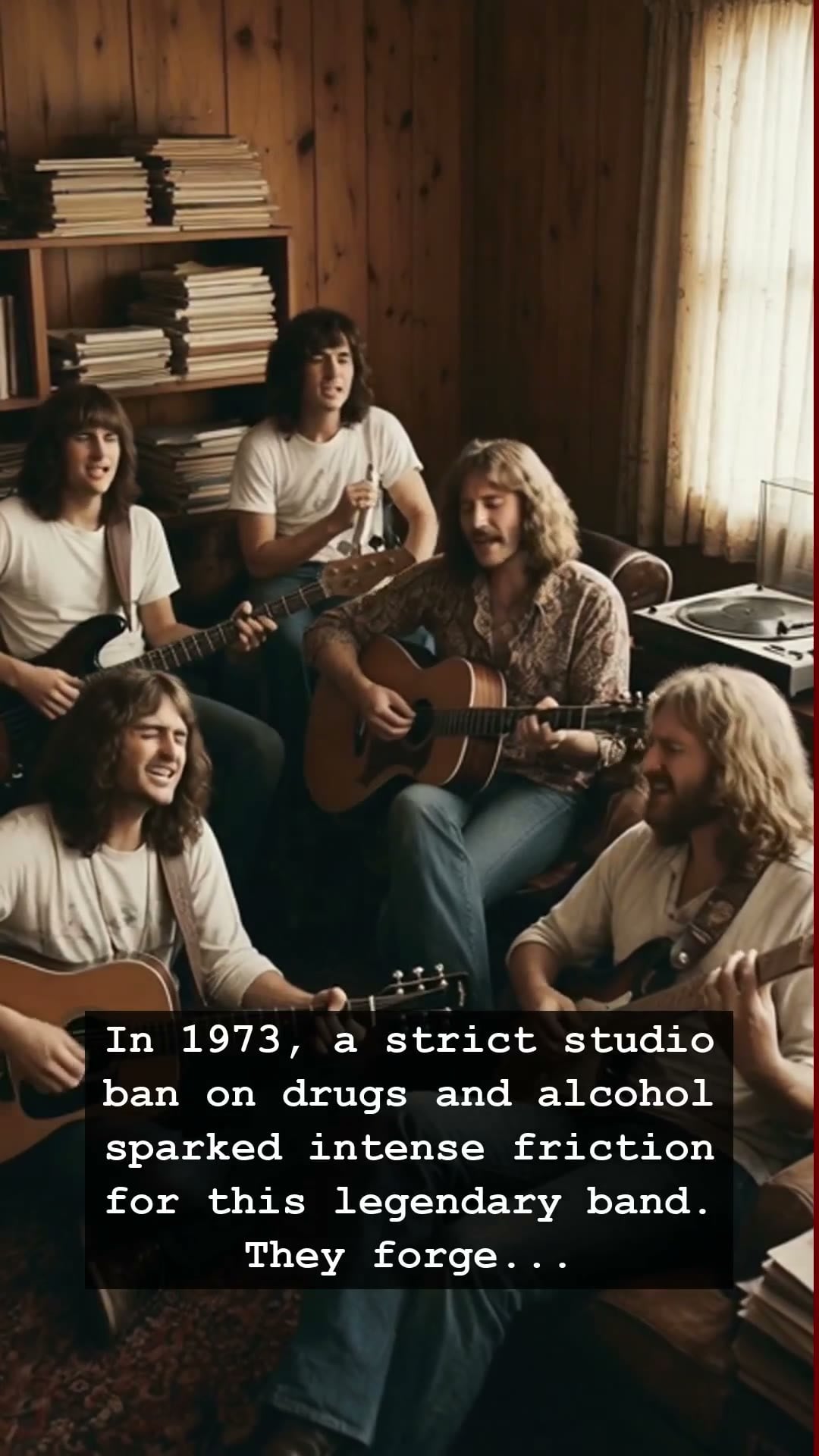
It was 1973, and the air inside the recording studio was thick with something more potent than the California heat. For The Eagles, the golden boys of country-rock who had charmed the world with their debut, the atmosphere had shifted from creative harmony to a pressure cooker of resentment. The management had finally cracked the whip, enforcing a strict, uncompromising ban on drugs and alcohol within the studio walls. To a group of rockstars operating at the height of the Laurel Canyon scene, this was not just a health directive; it was a declaration of war. What followed was a period of intense, volatile friction that nearly tore the band apart before they could even hit their stride.
At the time, the industry was obsessed with the polished sounds of the radio, but The Eagles were looking for something grittier. They were caught in a cultural tug-of-war, trapped between the fading idealism of the sixties and the cynical, high-stakes hedonism that would define the decade. As the band members wrestled with their vices and the suffocating control of their producers, they channeled every ounce of that frustration into their craft. They were desperate to prove that they were more than just pretty harmonies and laid-back rhythms. They wanted to capture the soul of the outlaw, the man on the run, and the weary traveler lost in the haze of a disappearing frontier.
This tension became the secret ingredient that forged their sophomore masterpiece, Desperado. The album wasn’t just a collection of songs; it was a cohesive, cinematic journey into the heart of the American West, reimagined through the lens of broken men and desperate choices. The title track, with its haunting piano chords and Don Henley’s weary, evocative delivery, stood as a testament to the band’s internal struggle. Every note felt earned, polished in the fires of their private arguments and the silent, cold stares shared across the mixing console. They were no longer just playing music; they were exorcising their demons.
Decades later, the legacy of this era remains etched into the fabric of rock history. Whenever we hear those opening bars on a jukebox or through a vintage stereo, we are transported back to a time when artists were willing to break themselves to build something timeless. The Eagles transformed their personal chaos into a sound that defined a generation, proving that sometimes the greatest art emerges from the most restrictive conditions. It was a moment of vulnerability that stripped away the glamour and revealed the raw, beating heart of one of the greatest bands to ever grace a stage.
As we look back at the era of Woodstock memories and the rise of the stadium rock giants, the story of The Eagles remains a poignant reminder of the cost of fame. They survived the friction, the substance-fueled dramas, and the crushing weight of expectation to craft songs that still echo today. So, the next time you spin that record, listen closely. You aren’t just hearing a masterpiece; you are hearing the sound of a band that dared to survive their own fire, leaving us with a soundtrack that will truly last forever.