
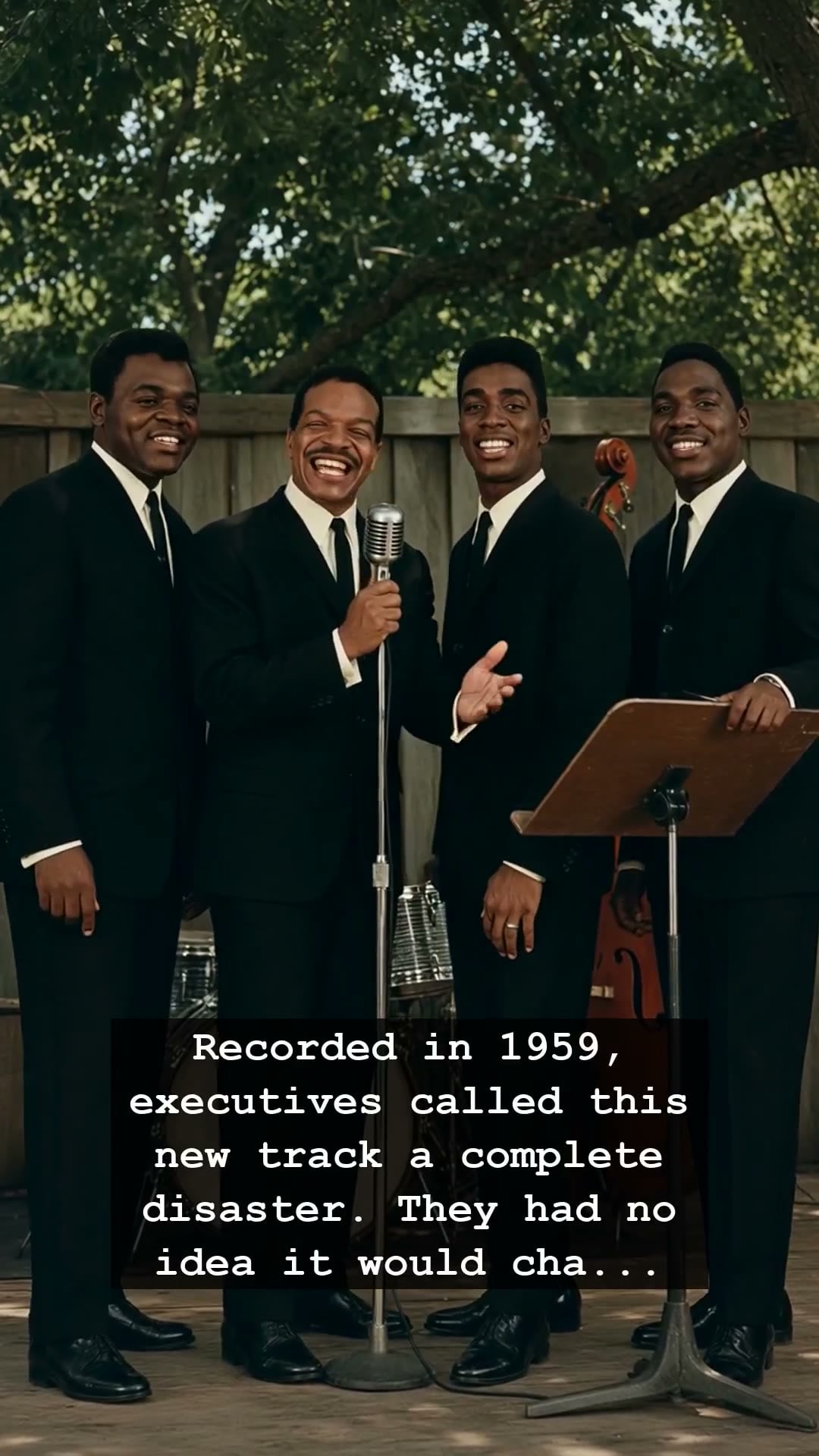
The year was 1959, and the air in the recording studio was thick with frustration. The Drifters, already a polished name in the rhythm and blues scene, were attempting something radical. They were pushing the boundaries of what a vocal group could achieve, blending smooth soul with a sophisticated, orchestral arrangement that terrified the suit-and-tie executives at the label. When the playback of their new session finished, the verdict from the higher-ups was immediate and scathing: it was a complete, chaotic disaster. They branded the experiment a mistake that would surely flop on the jukeboxes across America. But the music industry, as it often does, had completely underestimated the raw power of musical evolution.
At the time, the sound of the late fifties was caught in a tug-of-war between the gritty, rebellious early stirrings of rock and the polished perfection of vocal harmony groups. The Drifters, however, had tapped into something more profound. By stripping away the traditional, predictable structures of the era and embracing a lush, dramatic production style, they were crafting a sound that felt both cinematic and deeply intimate. It was a departure that confused the gatekeepers of the day. They wanted catchy, disposable radio fodder, but The Drifters were chasing an emotional resonance that would eventually define the soul landscape for decades to come.
As the needle dropped on the final mix, the song began to breathe. It wasn’t just a track; it was a revolution wrapped in a melody. The layers of harmony weren’t just background noise; they were a tapestry of longing and grit. Despite the executives demanding a return to the safety of their old hits, the song began to climb the charts with an unstoppable momentum. It proved that sometimes, what the experts call a mess is actually the sound of the future finally arriving. The track didn’t just become a hit; it shifted the gravity of vocal arrangements forever, turning The Drifters into architects of a new sonic reality.
Looking back, it is easy to see why this moment remains a cornerstone of music history. The 1950s were a period of intense pressure for artists, where one bad record could end a career before the Walkman or the MTV era could ever turn a musician into a global icon. The Drifters faced the dark side of this fame, navigating studio politics and the relentless pursuit of perfection that burned out many of their contemporaries. Their resilience transformed a studio conflict into a legacy of soulful precision that inspired countless artists, from Motown legends to the smooth R&B crooners of later generations.
Today, the echo of that 1959 session still ripples through our speakers. Whenever we hear that specific fusion of strings and soul, we are hearing the triumph of artistry over corporate doubt. The story of The Drifters remains a vital reminder that true genius is rarely understood the moment it is born. The next time you find yourself lost in the harmonies of a classic record, remember the studio that tried to silence them, and the song that refused to be forgotten.