
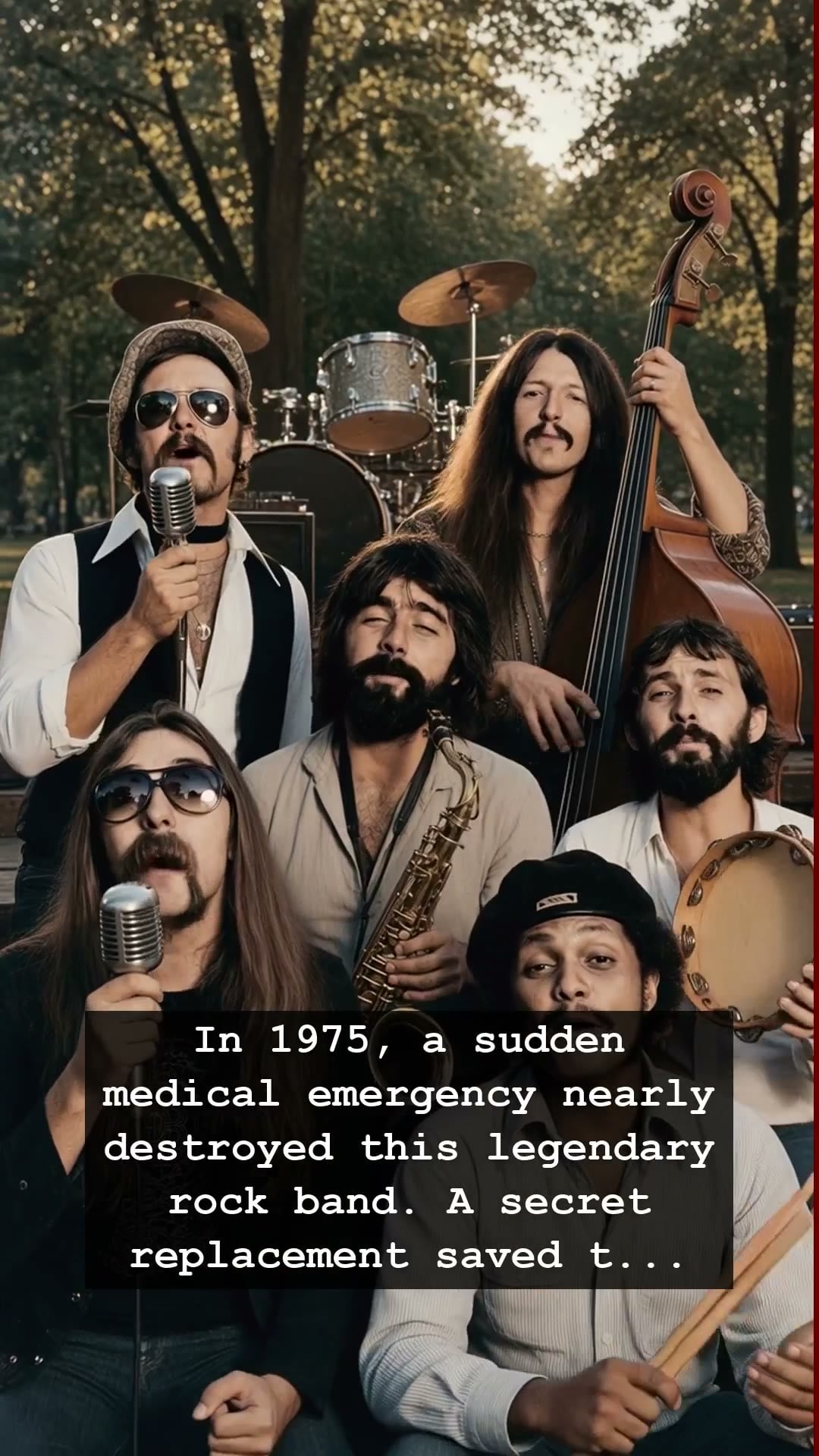
In 1975, the airwaves were thick with the sound of gritty guitar riffs and the growing shadow of the arena rock era. The Doobie Brothers, a band defined by their hard-driving, biker-bar aesthetic and dual-guitar attack, stood on the precipice of total collapse. Their charismatic lead singer and principal songwriter, Tom Johnston, had been pushing himself to the absolute limit. When he suddenly collapsed from severe bleeding ulcers, the band was left directionless, their tour in jeopardy, and their future hanging by a thread. It was a classic rock and roll disaster that felt like the beginning of the end for a group that had just started to capture the hearts of a generation.
Faced with an impossible situation, the band made a desperate, last-minute call to a young session musician named Michael McDonald. The choice was unconventional, bordering on risky. McDonald came from a completely different musical school, bringing a sophisticated, keyboard-driven sensibility that felt worlds apart from the rugged, rustic blues-rock sound that had put The Doobie Brothers on the map. Yet, as the rehearsals began, something miraculous happened. The rough edges of their signature sound began to soften, evolving into a silky, timeless soul that seemed to resonate with the changing pulse of the mid-seventies.
This transition was not without its internal friction. Die-hard fans of the original lineup were initially shocked by the sudden shift toward jazz-inflected rhythms and blue-eyed soul. However, the commercial results were impossible to argue with. Tracks like Takin’ It to the Streets showcased a newfound vocal elegance that turned The Doobie Brothers into massive radio stars. The studio became a sanctuary where this unexpected musical marriage thrived, bridging the gap between the gritty street-rock of their early days and the smooth, polished production that would eventually dominate the FM radio dial throughout the late seventies and early eighties.
Looking back, the 1975 crisis serves as a fascinating lens into the volatile nature of classic rock stardom. It highlights how quickly fortunes could shift under the heavy weight of tour schedules, personal health, and the relentless pressure to reinvent oneself in the public eye. For The Doobie Brothers, the intervention of fate was a double-edged sword. It cost them the original identity that made them famous, but it also granted them a second life, cementing their legacy as one of the most versatile and enduring bands in American music history.
Today, the music of The Doobie Brothers remains a staple of our collective memory, a sonic time machine that transports us back to the era of the Walkman and the long, sun-drenched highways of our youth. Whether you prefer the raw, early guitar jams or the sleek, soulful hits of the McDonald era, the band’s resilience remains an inspiring chapter in rock lore. Their journey reminds us that sometimes, in the face of complete ruin, the most unexpected changes are exactly what a band needs to achieve immortality. Do you remember where you were the first time you heard those smooth, harmonized chords?