
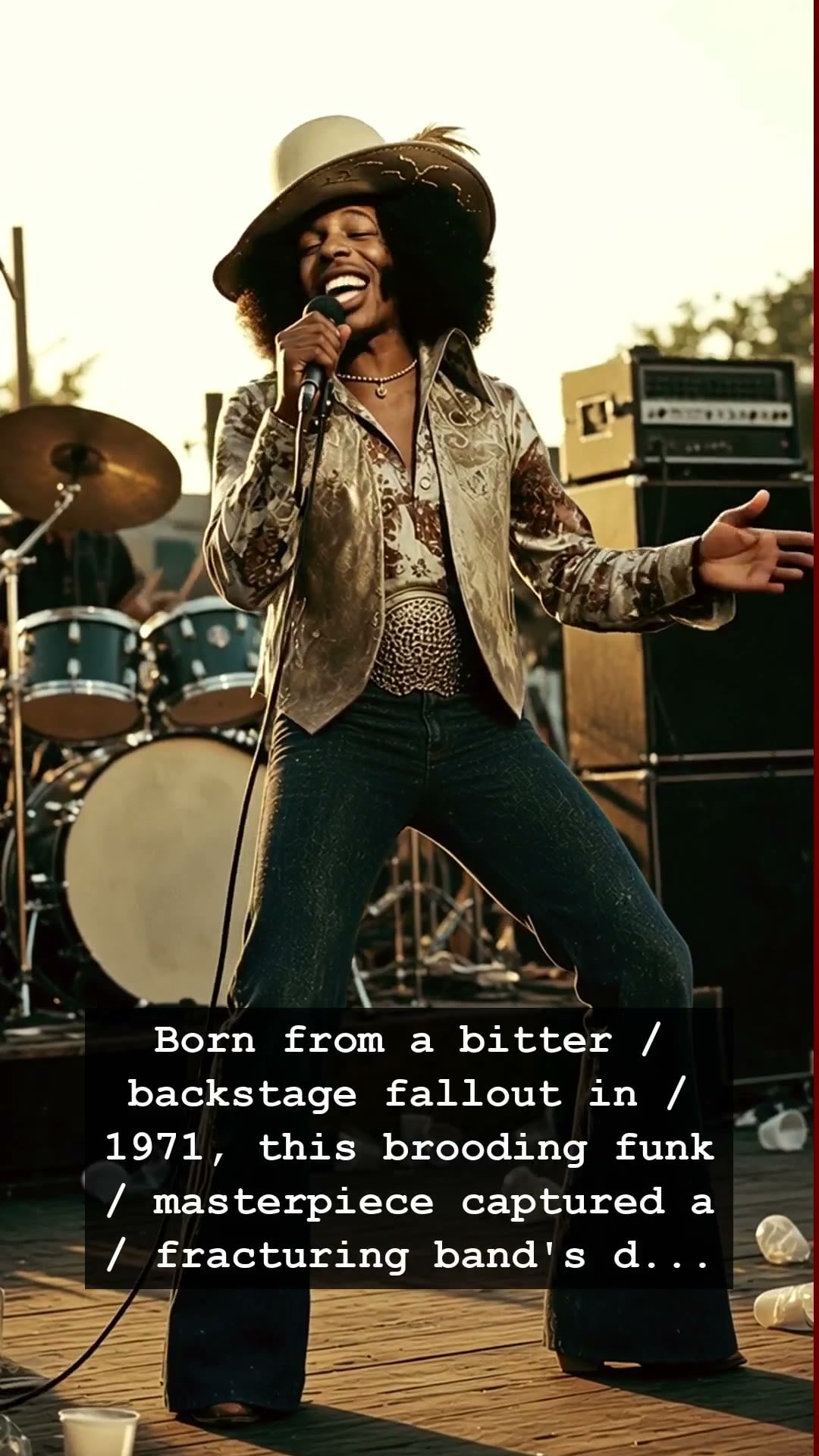
Imagine a room thick with the scent of stale cigarette smoke and the suffocating tension of unsaid resentment. It is 1971, and the air inside the recording studio has shifted from the vibrant, optimistic grooves of the late sixties to something jagged, paranoid, and profoundly lonely. This was the environment that birthed There’s a Riot Goin’ On, the brooding funk masterpiece that redefined Sly and the Family Stone. While the world was still dancing to the upbeat, multi-racial idealism of their earlier hits, the band behind the music was quietly disintegrating from the inside out, leaving behind a sonic footprint that felt like a beautiful, shattered mirror.
At the center of this storm was Sly Stone, a visionary genius who had once acted as the glue for a collective that bridged soul, rock, and funk. By 1971, the innocence of the Woodstock era had dissolved into the cynical fog of the new decade. The band, once a symbol of unity, was now a fractured unit defined by missed rehearsals, fueled by heavy substance use, and marred by a bitter backstage fallout that would leave them forever changed. As fans clutched their vinyl copies, they could not have known that these tracks were the final death rattles of a musical revolution, captured in the dark, murky production quality that became the album’s signature sound.
Sly and the Family Stone had been the darlings of the festival circuit, but the transition into the seventies brought the cold reality of fame. The vibrant, punchy horns and soaring melodies of the past were replaced by a drum machine that sounded like a mechanical heartbeat in a tomb. It was a stark departure, one that alienated some but deeply moved those who understood the internal conflict occurring behind the closed doors of the studio. The grit on the recording was not just an aesthetic choice; it was the sonic manifestation of a group of people who could barely stand to be in the same room together anymore.
What makes the legacy of Sly and the Family Stone so haunting today is how authentically they captured the decay of an era. The album stands as a gritty, honest document of a creative decline that somehow resulted in some of the most influential music of the twentieth century. It serves as a reminder that even when the lights go out at Studio 54 or the records stop spinning on the local jukebox, the emotional residue of these artists remains. The band members were not just musicians; they were humans caught in the crushing pressure of a cultural machine that demanded perfection while their personal lives crumbled.
Looking back at 1971, it is easy to view that period through a rose-tinted lens of nostalgia, but the music of Sly and the Family Stone forces us to confront the shadows. It remains a raw, unfiltered expression of human frailty that resonates whenever we feel the disconnect between our public faces and our internal struggles. Do you remember the first time the heavy, swampy rhythm of this record hit your ears? It is a sonic experience that demands to be revisited, so turn down the lights, press play, and lose yourself in the echoes of a masterpiece born from the wreckage.