
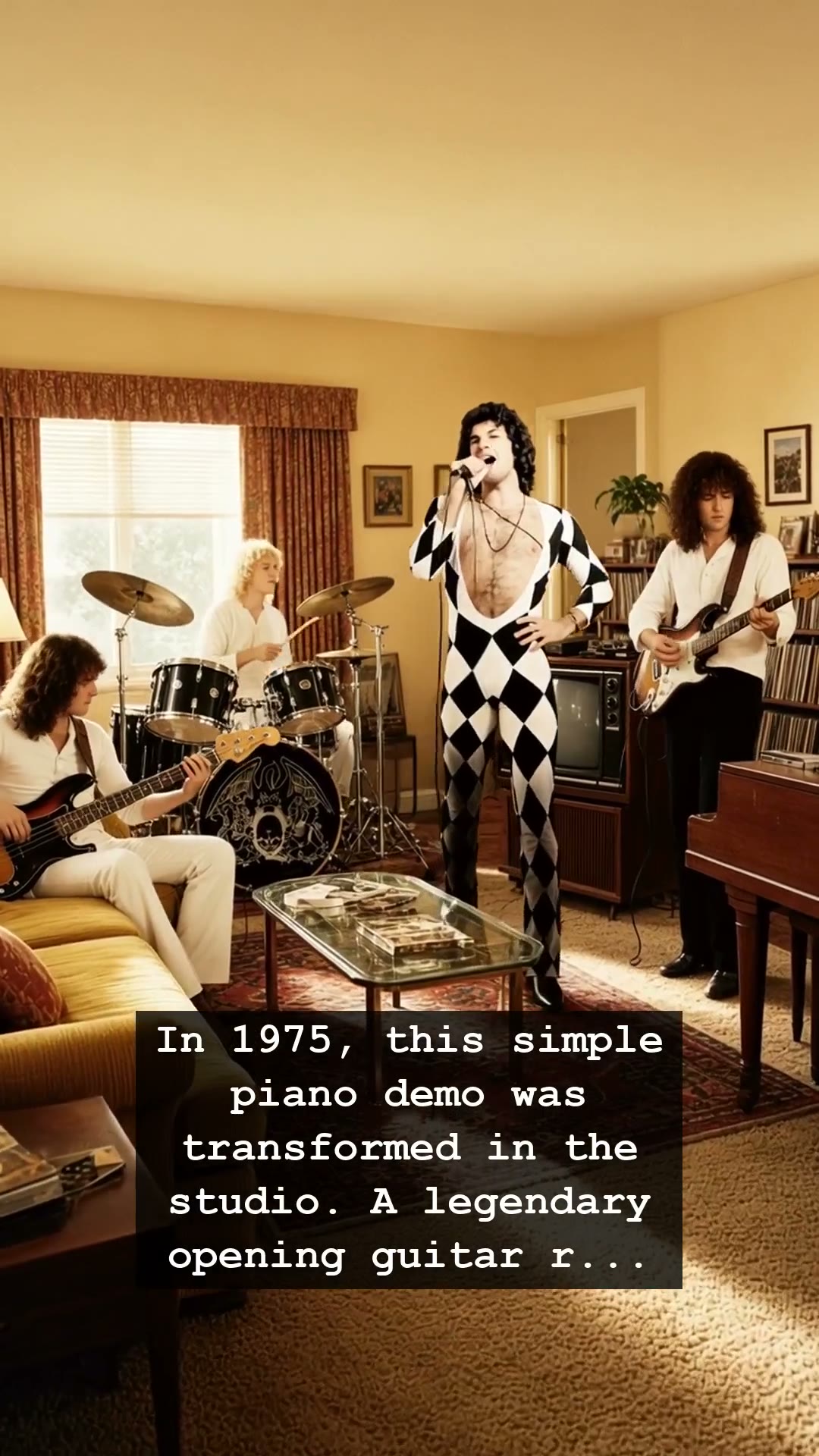
In the spring of 1975, the air in the recording studio was thick with unspoken tension and the smell of cigarette smoke. Fleetwood Mac was in the middle of a radical transformation, having recently recruited Lindsey Buckingham and Stevie Nicks to join the existing core of Mick Fleetwood, John McVie, and Christine McVie. While the world was shifting from the psychedelic haze of the late sixties toward the slick, high-gloss production of the late seventies, this quintet was busy crafting a sound that would eventually define a generation. Among the early sessions for their self-titled album, one specific track stood out, born not from harmony, but from a quiet, haunting piano demo that almost never saw the light of day.
Stevie Nicks had written the song, inspired by a book she had found in a friend’s library. It was a dark, mystical narrative about a Welsh witch, but in its original form, it was fragile and lacked the kinetic energy the band would eventually unlock. The magic truly happened when Lindsey Buckingham, known for his meticulous and often obsessive approach to studio production, took those simple chords and completely reworked them. He stripped away the softness and replaced it with an opening guitar riff that felt like a sudden, sharp intake of breath. That legendary riff transformed a simple folk song into a rock anthem, anchoring it in the era of the Jukebox and the burgeoning FM radio dominance that would soon sweep the nation.
As the song began to take shape, the internal dynamics of Fleetwood Mac were becoming as volatile as the music they were creating. The band was effectively a collection of broken hearts and fractured relationships, living in the pressure cooker of fame. This tension leaked into their performances, lending the track an edge that was both visceral and deeply authentic. When you listen to the finished version of Rhiannon today, you are not just hearing a masterpiece of production; you are hearing the sound of five individuals navigating the treacherous waters of love, ambition, and the relentless demands of the music industry in the mid-seventies.
The success of the song propelled the album to the top of the charts, forever etching Fleetwood Mac into the pantheon of rock legends. It became a staple of concert arenas, a moment where the atmosphere would shift from boisterous energy to something ethereal and otherworldly whenever Stevie Nicks stepped to the microphone. The song served as a bridge between the introspective singer-songwriter era and the polished, radio-ready rock that would come to dominate the airwaves as the decade marched toward the neon-soaked excess of the eighties.
Decades later, the resonance of Rhiannon remains undiminished. It persists as a testament to the lightning-in-a-bottle chemistry that defined the band’s most creative period. Whether you first heard it through the crackle of a vinyl record or the crisp clarity of a modern digital stream, the haunting allure of those opening notes serves as a time machine, transporting us back to a world where music felt dangerous, personal, and profoundly alive. It reminds us why we continue to look back at the history of these legends, searching for the stories hidden within the notes that continue to echo through our lives.