
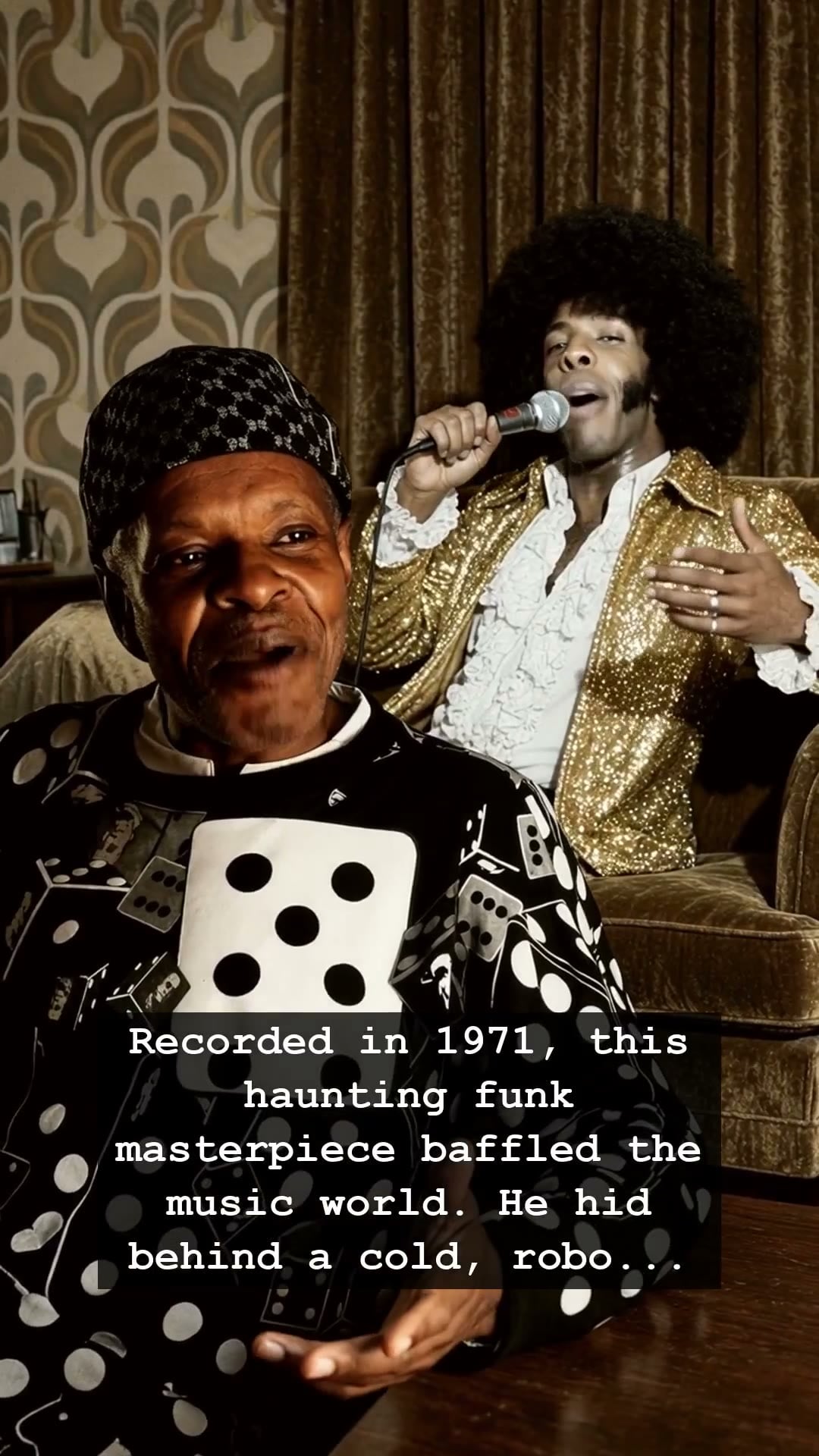
The year was 1971. In a smoke-filled, claustrophobic studio, the man who once brought the world together with upbeat, kaleidoscopic funk was retreating into the shadows. Sly Stone, the visionary architect of Sly and the Family Stone, was no longer interested in the sunny optimism of Woodstock. Instead, he was crafting something colder, deeper, and profoundly more unsettling. While the world outside was dancing to the rhythms of the radio, Sly Stone was hunched over a primitive drum machine, letting its mechanical pulse dictate a sound that would baffle the music industry and define a haunting new chapter in American soul.
There Is a Riot Goin’ On was not merely an album; it was a psychological confession captured on magnetic tape. For those who remember the transition from the vibrant late sixties to the disillusioned early seventies, this record feels like a fever dream. The production was muddled, intentionally murky, and drenched in the suffocating atmosphere of a man spiraling into the dark side of his own celebrity. Sly Stone had become a recluse, trading the bright stage lights for the cold, unyielding precision of technology. He hid behind the robotic, repetitive beat of the rhythm box, creating a sonic landscape where human agony collided with the soulless hum of progress.
Why did this record resonate so deeply? Perhaps because it stripped away the polished veneer of Motown and the high-energy showmanship of the era. Listeners were confronted with raw, unvarnished pain. It was the sound of a man standing amidst the wreckage of a social movement that had lost its way. The studio became a fortress, and every note played by Sly Stone felt like a struggle for sanity. He was no longer the charismatic leader of an integrated band; he was a ghost, haunting his own grooves, delivering vocals that sounded like they were dragged from the bottom of an empty bottle.
Despite the friction and the rumors of substance abuse that followed him like a dark cloud, the genius of Sly Stone remained undeniable. He was ahead of his time, utilizing the drum machine to create a sparse, minimalist aesthetic long before it became a staple of modern production. The industry didn’t quite know what to make of it at the time, but history has proven that this haunting funk masterpiece was a turning point. It captured the exact moment the idealism of the sixties dissolved into the grit and paranoia of the seventies.
Today, we look back at the legend of Sly Stone and see a man who paid a heavy price for his artistic transformation. His story remains a cautionary tale about the isolating nature of fame and the heavy burden of genius. When you hear those off-kilter rhythms today, you aren’t just hearing a song; you are listening to a man staring into the void and refusing to look away. Decades later, the ghost groove still echoes, reminding us that sometimes, the most beautiful music is born from the deepest, darkest moments of the human spirit.