
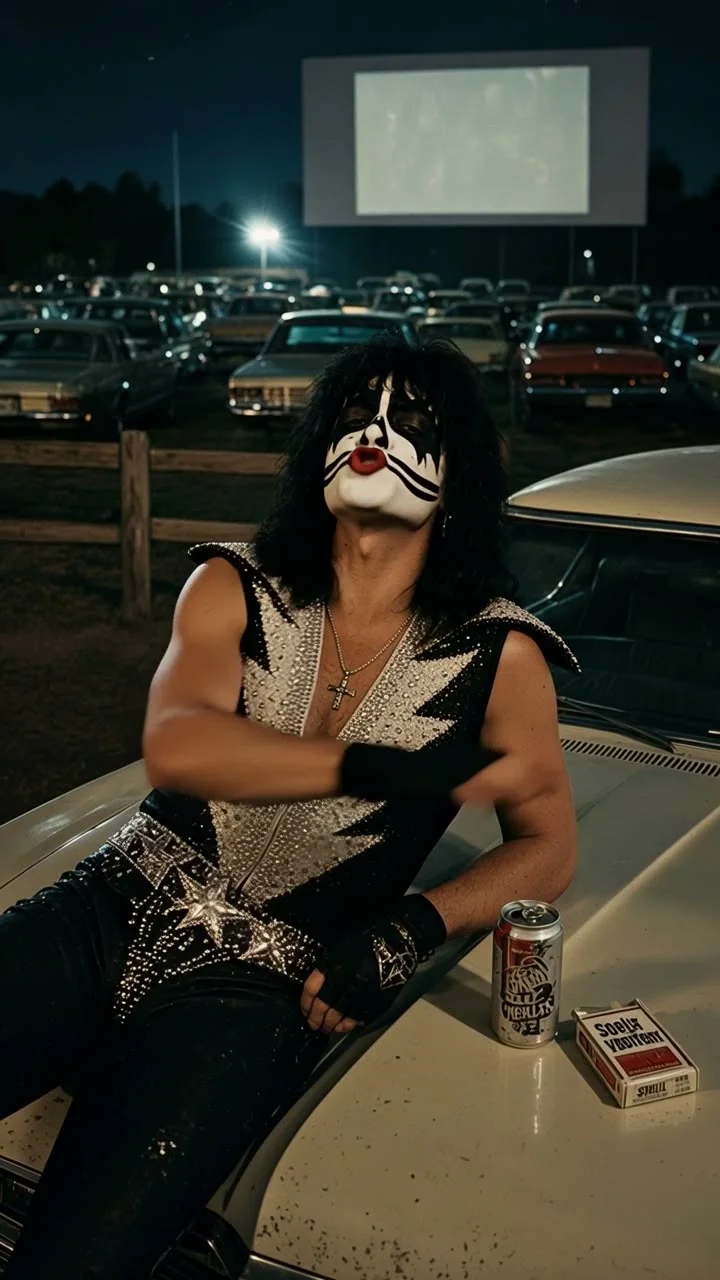
In the dusty pages of a 1972 issue of Rolling Stone, amidst a sea of forgotten notices, sat a modest, desperate plea for musical salvation. It was a time when the rock ‘n’ roll dream felt like a distant, flickering neon sign for most struggling musicians in the gritty streets of New York City. Little did the world know that this specific classified ad, placed by a down-on-his-luck drummer named Peter Criss, would serve as the ignition switch for one of the most polarizing and spectacular bands in history. This was the moment the myth of the Catman was born, emerging from poverty to eventually tower over the global stage.
Peter Criss was not looking for fame in a vacuum; he was looking for a brotherhood that could withstand the madness of the early seventies. Before the pyrotechnics, the iconic face paint, and the sold-out arenas, KISS was just a group of hungry outcasts. When Gene Simmons and Paul Stanley answered that call, they weren’t just hiring a drummer; they were finding the heartbeat that would stabilize their chaotic ambition. Peter Criss provided the rhythmic grit, a touch of soul, and the unmistakable vocal rasp that would define the band’s biggest ballads, turning them from a local club act into a stadium-filling phenomenon.
The atmosphere of the era was electric and volatile, fueled by the rise of the glam rock movement and a restless youth culture hungry for theater. By the time the mid-seventies rolled around, the band had transformed into a living, breathing spectacle that seemed to defy the conventions of rock music. Peter Criss sat behind the throne, often feeling the crushing weight of the makeup and the relentless touring schedule that defined the era. It was a period where the line between the man and the stage persona began to blur, leading to the internal friction that would eventually fracture the band’s original lineup.
Beyond the glitz and the high-octane performances, the story of Peter Criss is a cautionary tale about the cost of superstardom. During the band’s meteoric rise, the pressures of maintaining the KISS image—a brand that was quickly becoming a staple of pop culture—began to take a psychological toll. The fame brought forth the usual shadows of excess, and the once-tight brotherhood started to fray under the immense weight of ego and exhaustion. For fans looking back, it is impossible to ignore the raw humanity buried beneath the theatrical exterior of those early, explosive records.
Decades later, the legacy of that initial classified ad remains a testament to the unpredictable nature of the music industry. Peter Criss and his bandmates redefined what it meant to be an arena rock act, proving that an image, when married to the right amount of attitude and grit, can capture the imagination of millions. Even today, when the opening chords of those classic tracks hit the airwaves, the nostalgia is palpable. It reminds us of a time when rock was truly dangerous, unapologetic, and larger than life itself.