
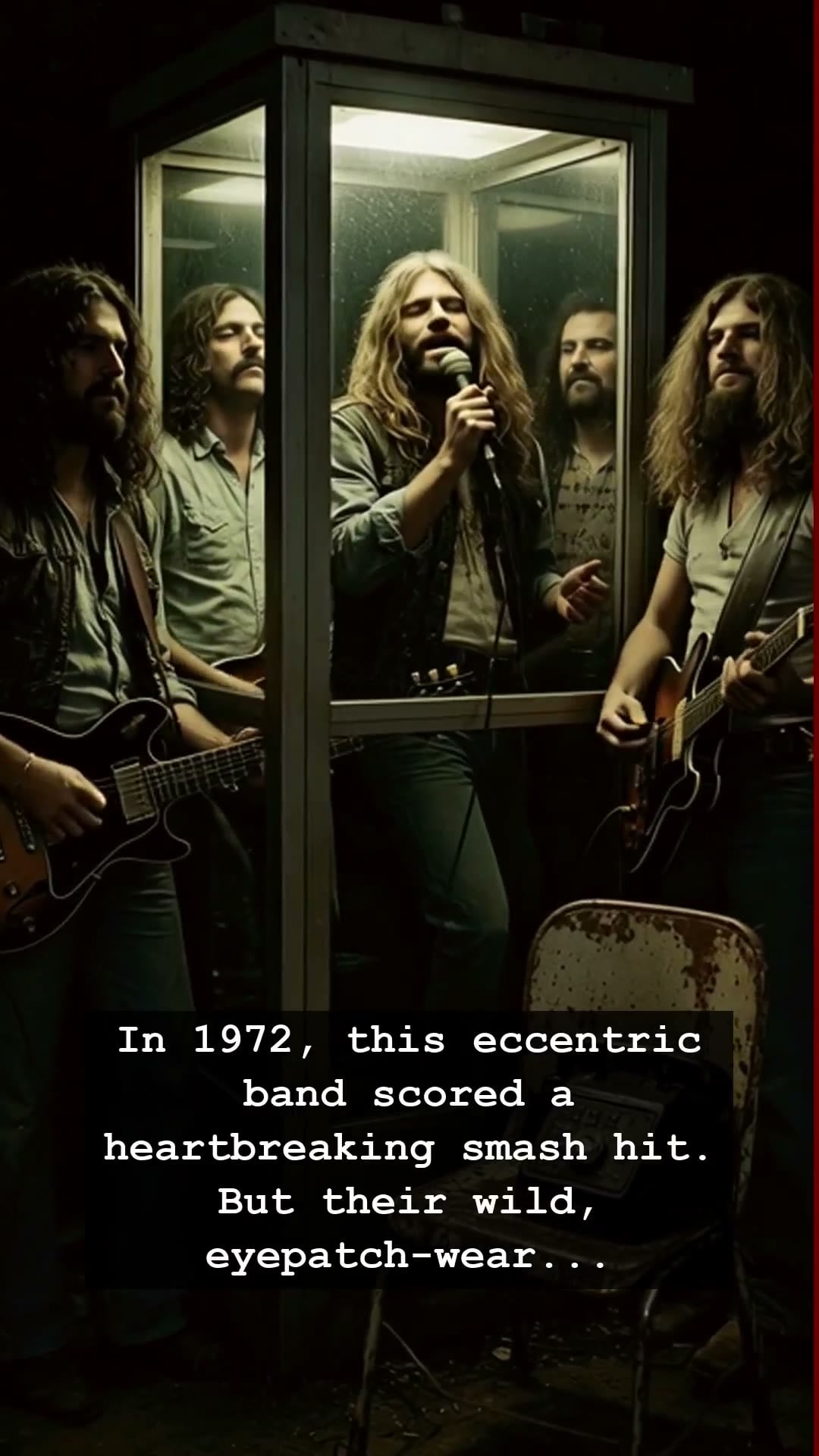
In the golden age of 1970s radio, one song managed to stop the world in its tracks. It was a melancholy, self-deprecating masterpiece that climbed the charts and sat comfortably inside the jukeboxes of every smoky diner from coast to coast. The track was The Cover of Rolling Stone, a cynical, hilarious, and hauntingly catchy anthem by the eccentric group Dr. Hook and the Medicine Show. While the world was busy grooving to the smooth sounds of disco or the emerging grit of arena rock, this band leaned into the absurdity of fame with an eyepatch-wearing frontman who became an instant icon of American rock lore. But beneath the cheeky lyrics and the radio-friendly melody lay a visual paradox that left audiences scratching their heads for decades.
The man behind the patch was Ray Sawyer, the charismatic face of Dr. Hook and the Medicine Show. He possessed a voice that felt like it had been carved from the rough edges of a whiskey bottle, perfectly suited for the band’s blend of country-rock and storytelling. Yet, it was his aesthetic that drew the most attention. With his signature cowboy hat and that mysterious black patch, Sawyer looked like a grizzled pirate who had wandered onto the set of a music video by mistake. The public was captivated, creating a mystique that made the band feel dangerous, authentic, and utterly unpredictable in an era where polish and perfection were starting to dominate the airwaves.
However, the real story behind the patch was a sobering reminder of the dark side of the rock and roll lifestyle. Long before the band achieved their massive chart success, Ray Sawyer had been involved in a near-fatal car accident in 1967. The collision cost him his right eye, a life-altering tragedy that could have easily ended his musical ambitions before they truly began. Instead, Sawyer embraced the injury as a permanent part of his persona. The paradox was profound: the man who sang with such vulnerability about the desperate desire to be famous on the cover of a magazine was masking a genuine, permanent scar from a moment that brought him face-to-face with his own mortality.
Dr. Hook and the Medicine Show were more than just a novelty act; they were masters of irony in a decade obsessed with status. By mocking the very industry they were trying to conquer, they captured the zeitgeist of a generation tired of corporate music marketing. Their songs played through the portable Walkmans of the late seventies and anchored the soundtracks of countless road trips, serving as a reminder that music didn’t always have to be serious to be profoundly impactful. The band thrived on this tension, balancing their comedic hits with ballads that spoke to the lonely, the overlooked, and the dreamers who felt like outsiders in their own skin.
Today, the legacy of Dr. Hook and the Medicine Show remains etched in the tapestry of American music history. Whenever that iconic opening guitar riff of their biggest hit plays, it transports us back to a time of vinyl records, analog gear, and the raw, unfiltered honesty of performers who wore their scars on their sleeves. Ray Sawyer’s story, much like the best songs of the era, reminds us that the most enduring art often comes from the deepest wounds. Whether you remember the band for their sharp wit or that unforgettable, mysterious silhouette, one thing is certain: they changed the face of rock and roll forever, one eyepatch at a time. Do you still find yourself singing along whenever they spin on the radio?