
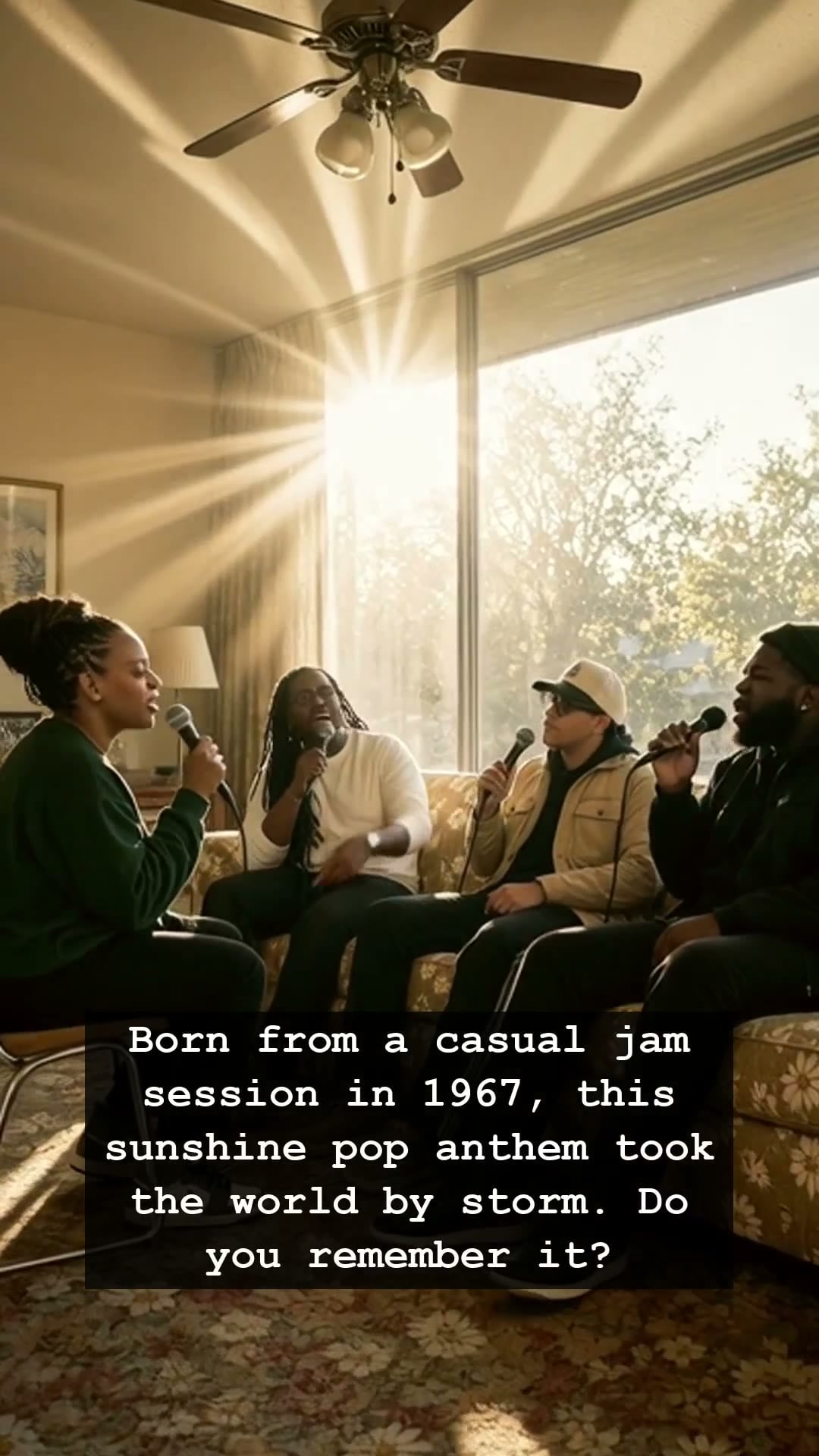
It started as a hazy, low-stakes jam session in 1967, a moment of pure creative spontaneity that blossomed into one of the most recognizable sunshine pop anthems in history. When you hear the opening notes of Windy, you are immediately transported to a world of AM radio, flower power, and the blinding optimism of the mid-sixties. But for The Association, the group that defined this breezy era, the reality behind the music was far less sun-drenched than the melodies suggested. Beneath the vocal harmonies that filled every jukebox across America, there was a simmering cauldron of creative friction and the exhausting pressure of being the industry’s golden boys.
The Association emerged from the ashes of the folk-rock scene in California, landing right in the middle of a cultural revolution. While fans saw them as the clean-cut antithesis to the gritty, psychedelic chaos of the era, the internal dynamic of The Association was a complex puzzle of conflicting artistic visions. They were often dismissed by the more cynical counterculture critics as too polished or too commercial, yet their ability to craft perfect, radio-ready pop hits was unmatched. They walked the line between the experimental pulse of the late sixties and the structured, vocal-heavy arrangements that defined the era of transistor radios and backyard block parties.
The secret, perhaps, was that The Association lived in a perpetual state of transition. They were constantly fighting to maintain their sonic identity while the world moved from the surf-rock optimism of the early decade toward the heavier, darker textures of late-sixties psychedelia. Members came and went with a frequency that would have broken a less resilient band, yet the sound remained consistently smooth. It was an exercise in extreme professionalism that masked the individual toll taken by relentless touring schedules and the suffocating expectations of record labels that demanded another hit exactly like the last one.
Yet, despite the hidden cracks in the foundation, the music remains pristine. When you listen to The Association today, you aren’t just hearing a song; you are hearing a time capsule of an era when melody was king and the radio was our primary connection to the pulse of the nation. It was a time when a well-placed vocal harmony could stop a young lover in their tracks or turn a dull afternoon into a shimmering memory. That is the true magic of their catalog; it transcends the behind-the-scenes drama to provide a permanent, untouchable sanctuary of sound for those who remember the smell of gasoline and the static of a classic station.
As the years have turned into decades, the legacy of The Association stands as a testament to the bittersweet nature of pop stardom. They gave us the soundtrack to a generation that was learning to dream in color, all while navigating the cold, clinical machinery of the music business. Next time you catch the melody of Windy drifting through the air, take a moment to listen past the sunshine and hear the human heartbeat underneath. It is a story of craft, conflict, and the enduring power of a song that refused to fade away.