
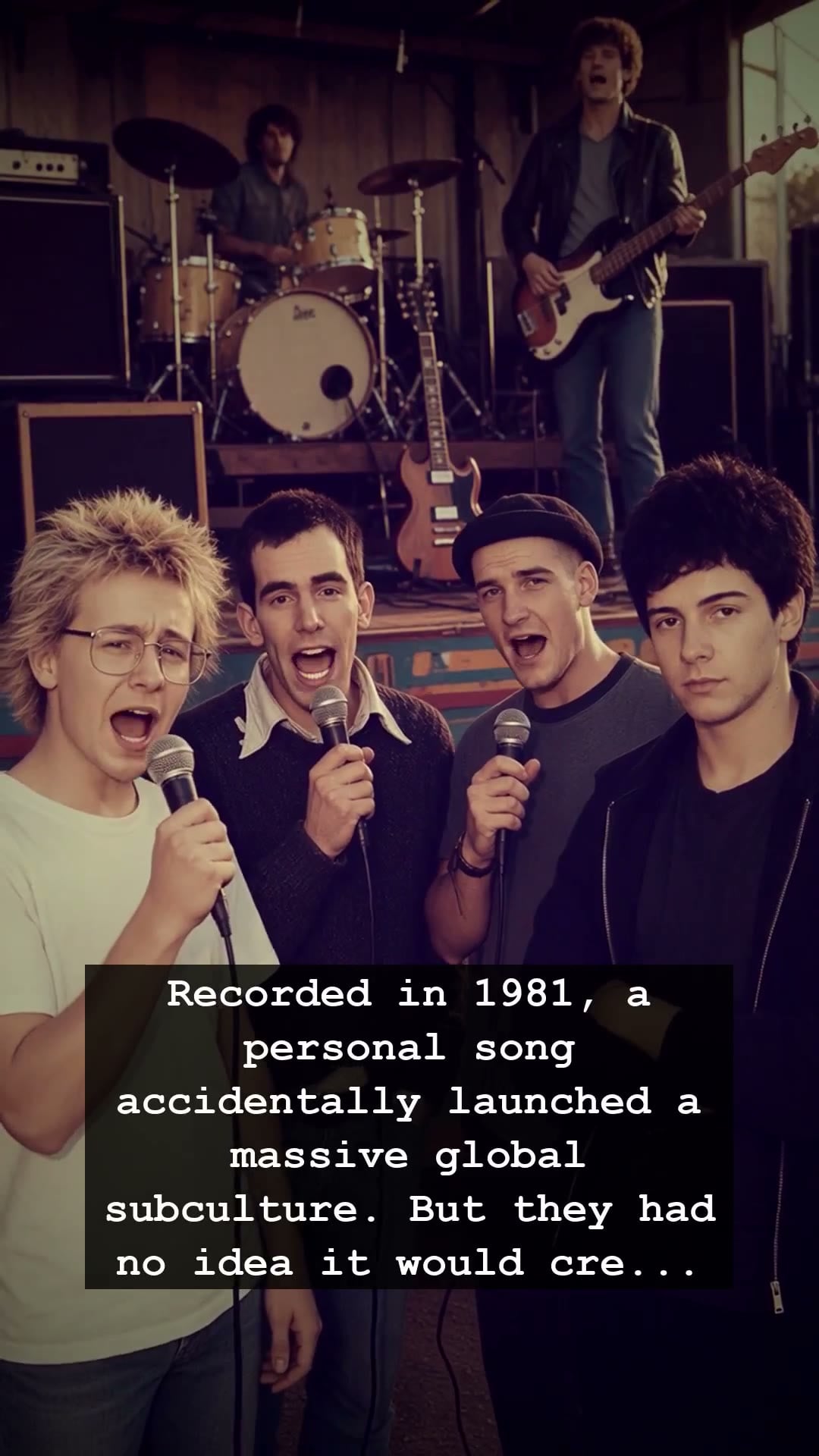
In the sweltering heat of the 1981 D.C. underground scene, Ian MacKaye walked into a studio with nothing but a personal vendetta against the self-destruction he saw consuming his peers. He had no grand design, no recruitment strategy, and certainly no intention to build an empire. He simply recorded a short, sharp blast of frustration titled Straight Edge. What started as a bitter, two-minute rejection of substance abuse would eventually spiral into a global subculture, a lifestyle, and for some, a rigid manifesto that would define thousands of lives long after the band dissolved.
At the time, Minor Threat was just another aggressive outfit carving their name into the chaotic landscape of early American hardcore. The air in D.C. was thick with the scent of cheap beer and desperation, a stark contrast to the polished sounds radiating from the emerging MTV generation. While the rest of the world was dancing under the neon lights of Studio 54 or chasing the excess of the glam metal era, Minor Threat was grinding out a sound that felt like sandpaper on raw skin. It was fast, it was loud, and it was deeply, violently personal. Ian MacKaye, the frontman who commanded the stage with a terrifying intensity, was simply singing about the choice to remain clear-headed in a world that seemed determined to lose its mind.
As the song spread through the underground tape-trading networks, it touched a nerve that resonated far beyond the D.C. basement walls. It wasn’t just a track anymore; it was an identity. Young people everywhere, hungry for a sense of belonging amidst the growing cynicism of the decade, adopted the lyrics as a personal pledge. They stripped away the drugs and the booze, trading the typical rock-and-roll excess for a sense of disciplined ownership over their own lives. Minor Threat had accidentally become the vanguard of a movement they never intended to lead, transforming a fleeting sentiment into a permanent cultural hallmark.
Yet, this movement was not without its darker complexities. As the ethos hardened into a strict set of rules, the initial spirit of individual choice often drifted into judgmental gatekeeping. The irony was palpable: a subculture born from a song about personal freedom began to be defined by what its followers could not do. The pressure of maintaining the straight edge standard caused intense friction within the punk community, leading to fractured friendships and years of internal debate about what it meant to stay clean in a dirty world. The band members themselves often looked on with a mixture of confusion and detachment as their music was weaponized in ways they had never imagined.
Looking back today, the legacy of Minor Threat is far more than just a list of prohibitions. It is a testament to the raw power of authentic expression and the unpredictability of art. Their music remains a visceral snapshot of a time when every chord struck was a battle for one’s own soul. Whether or not you subscribe to the philosophy they sparked, it is impossible to ignore the seismic shift they created. Even decades later, when you hear those sharp, jagged guitars, you are reminded that sometimes, the most influential movements in history are the ones that begin with a single, honest voice screaming against the tide.