
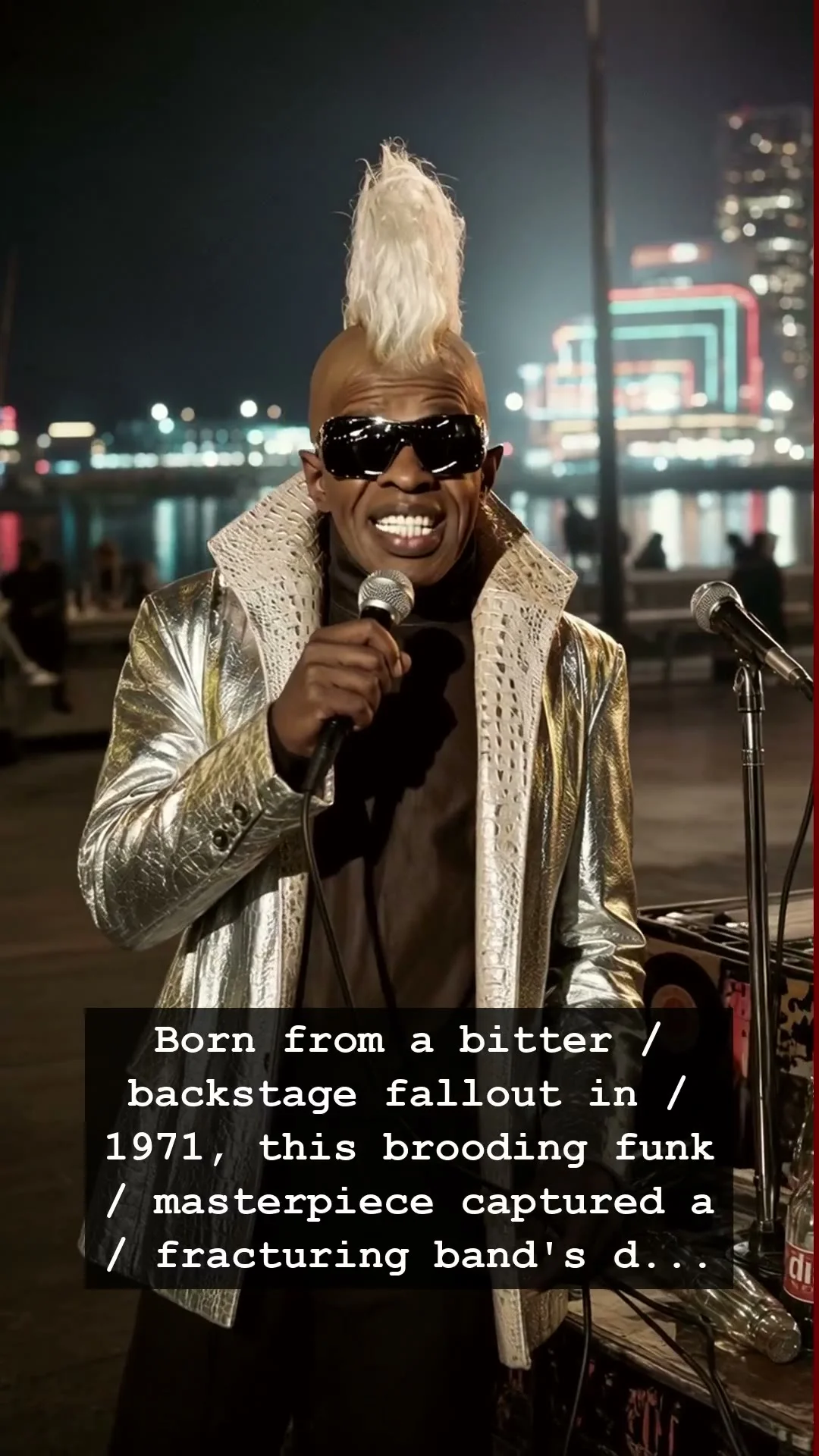
It started with a shattering glass and the sound of ego colliding against rhythm. In the humid, cigarette-smoke-filled corridors of a mid-1971 concert venue, a bitter backstage fallout within the legendary funk outfit Sly and the Family Stone was unfolding. While the world outside was transitioning from the psychedelic idealism of the sixties into the grittier, sweat-drenched realities of the new decade, the band was internally combusting. Out of this palpable tension came a brooding, syncopated masterpiece that would forever define the darker, more introspective side of funk music.
Sly Stone, the creative genius behind the operation, was no stranger to chaos, but 1971 marked a turning point where the art began to reflect the genuine decay of the collective. The masterpiece born from this period, There’s a Riot Goin’ On, was not just an album; it was a testament to a fracturing unit. The group, which had once been a beacon of integrated harmony and high-energy anthems, was now recording in a haze of distrust and isolation. The upbeat, optimism-fueled sound that had conquered Woodstock was replaced by a murky, heavy-hitting bassline that seemed to drag the listener into the depths of a troubled mind.
To understand the gravity of this funk masterpiece, one must look at the culture of the era. The Jukebox was shifting its rotation, and the vibrant, neon-soaked dreams of the late sixties were meeting the cold reality of the seventies. When you listen to the tracks from this period, you are not hearing a band jamming in perfect unison; you are hearing the sound of a legacy slipping away. Every drum beat feels deliberate, almost heavy, as if the band members were navigating a minefield of personal grievances and mounting creative exhaustion. It was raw, it was honest, and it was undeniably dark.
This sonic shift captured the essence of the band’s final days, a time when the pressure of constant touring and the seduction of excessive lifestyles began to take their toll. The brilliance of this funk record lies in its vulnerability. It does not try to hide the cracks in the foundation; instead, it leans into the melancholy, turning personal resentment into a rhythmic, haunting beauty. It is the sound of a visionary artist, Sly Stone, staring into the abyss of his own creation and choosing to document the decline rather than mask it with commercial pop gloss.
Even today, the influence of this period resonates in modern music, proving that greatness often thrives in the most volatile environments. We look back at these records not just for their technical mastery, but for the human stories embedded in the grooves. It reminds us that our favorite songs are rarely just notes on a page; they are frozen moments of life, conflict, and eventual catharsis. As we revisit these vinyl echoes, we find that the dark, brooding funk of 1971 remains one of the most compelling chapters in the history of American music. Listen to the track in the first comment and let the nostalgia pull you back into the heat of that final, fractured session.