
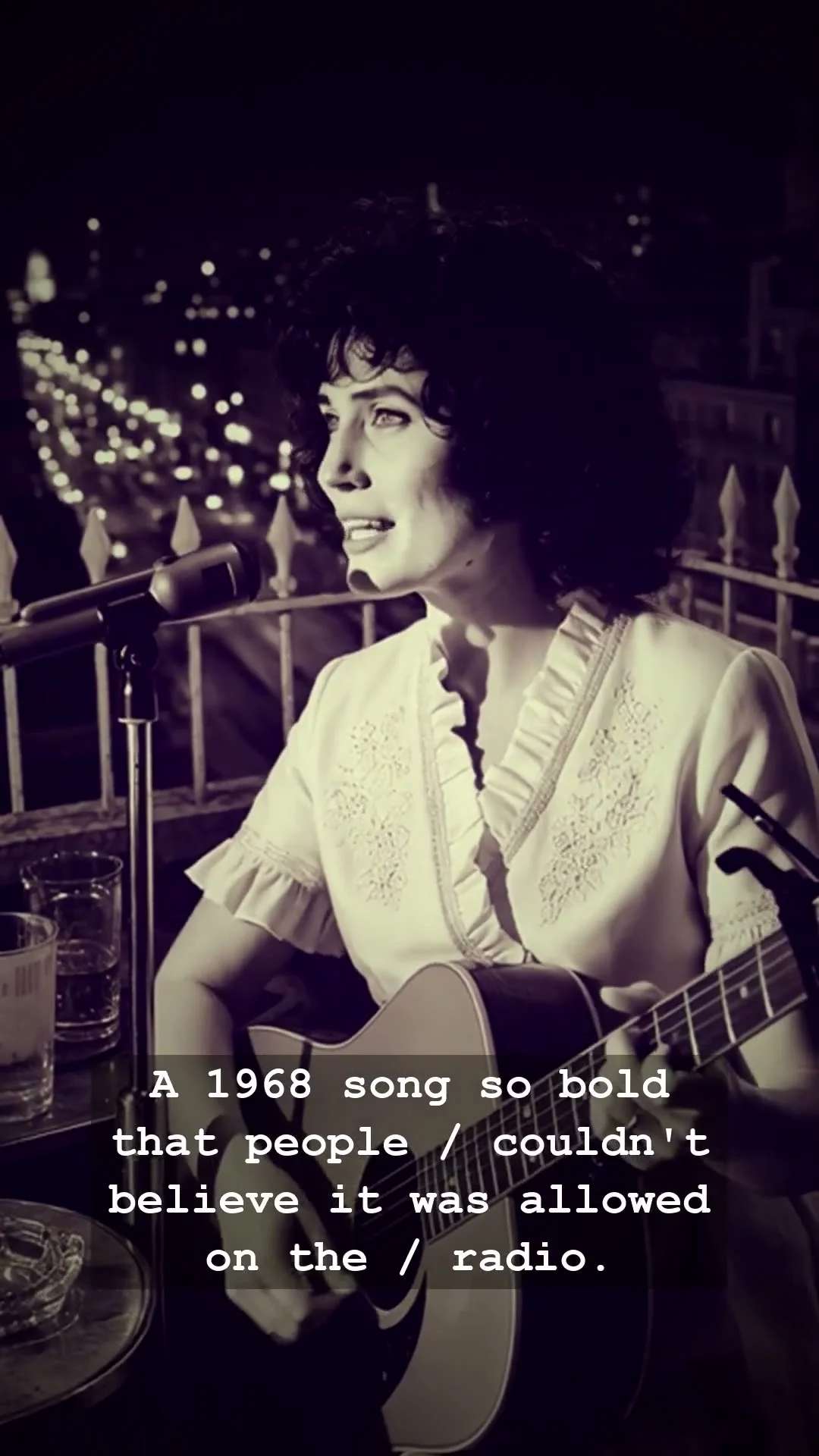
It was 1968, a year defined by social upheaval, the hum of the transistor radio, and a nation teetering on the edge of cultural revolution. While the airwaves were dominated by the sounds of the British Invasion and the burgeoning psychedelic movement, a country singer named Tammy Wynette walked into a studio and recorded a song that would fundamentally alter the landscape of American music. The track was Stand by Your Man, a composition that initially appeared to be a simple, sweet ballad about devotion. However, as it hit the airwaves, it ignited a firestorm of controversy that listeners of the era found impossible to ignore, leaving many wondering how such a bold statement was ever permitted on the radio.
At the time, the societal norms of the late sixties were being questioned at every turn. Tammy Wynette, with her soulful, crystalline voice, captured the raw essence of the era’s domestic tensions. On the surface, the song seemed like a traditional country trope, but its lyrics resonated deeply—and divisively—with a generation caught between evolving gender roles and traditional values. Radio stations were flooded with feedback; some listeners hailed it as a beautiful anthem of endurance, while others saw it as a submission to patriarchal expectations that simply did not belong in the modern, shifting culture of 1968.
The genius of Tammy Wynette lay in her ability to project authentic human struggle through her music. She was not just a singer; she was a storyteller documenting the quiet, private dramas of the American working class. Behind the scenes, the recording session for this legendary hit was fraught with the tension of a producer aiming to push boundaries and an artist pouring her own complex, often painful personal experiences into the microphone. It was this transparency that made the song feel dangerous. In an age of Woodstock and protest music, Stand by Your Man stood out as a different kind of defiance—an insistence on sticking to one’s truth even when the world outside the studio doors was demanding change.
Decades later, the song remains a polarizing yet essential piece of music history. It reminds us of a time when the radio was the primary portal for cultural discourse, and a single melody could spark nationwide debates that spilled from diners into living rooms. Tammy Wynette became an icon of resilience, navigating the immense pressures of fame and the harsh spotlight that focused on her every move. The song’s legacy is not just in its chart-topping success, but in how it perfectly encapsulated the friction of a society struggling to define itself during one of the most transformative decades in history.
Even today, listening to the crackle of the original recording brings back the vivid nostalgia of a bygone era. It takes us back to a time of jukeboxes and high-stakes artistic choices, where musicians were willing to risk their reputations for the sake of an honest song. Whether you view it as a relic of the past or a timeless masterpiece, there is no denying that the impact of this 1968 anthem still vibrates through the halls of country music. As we look back, we have to ask ourselves: do you remember where you were when this legendary track first graced the airwaves?