
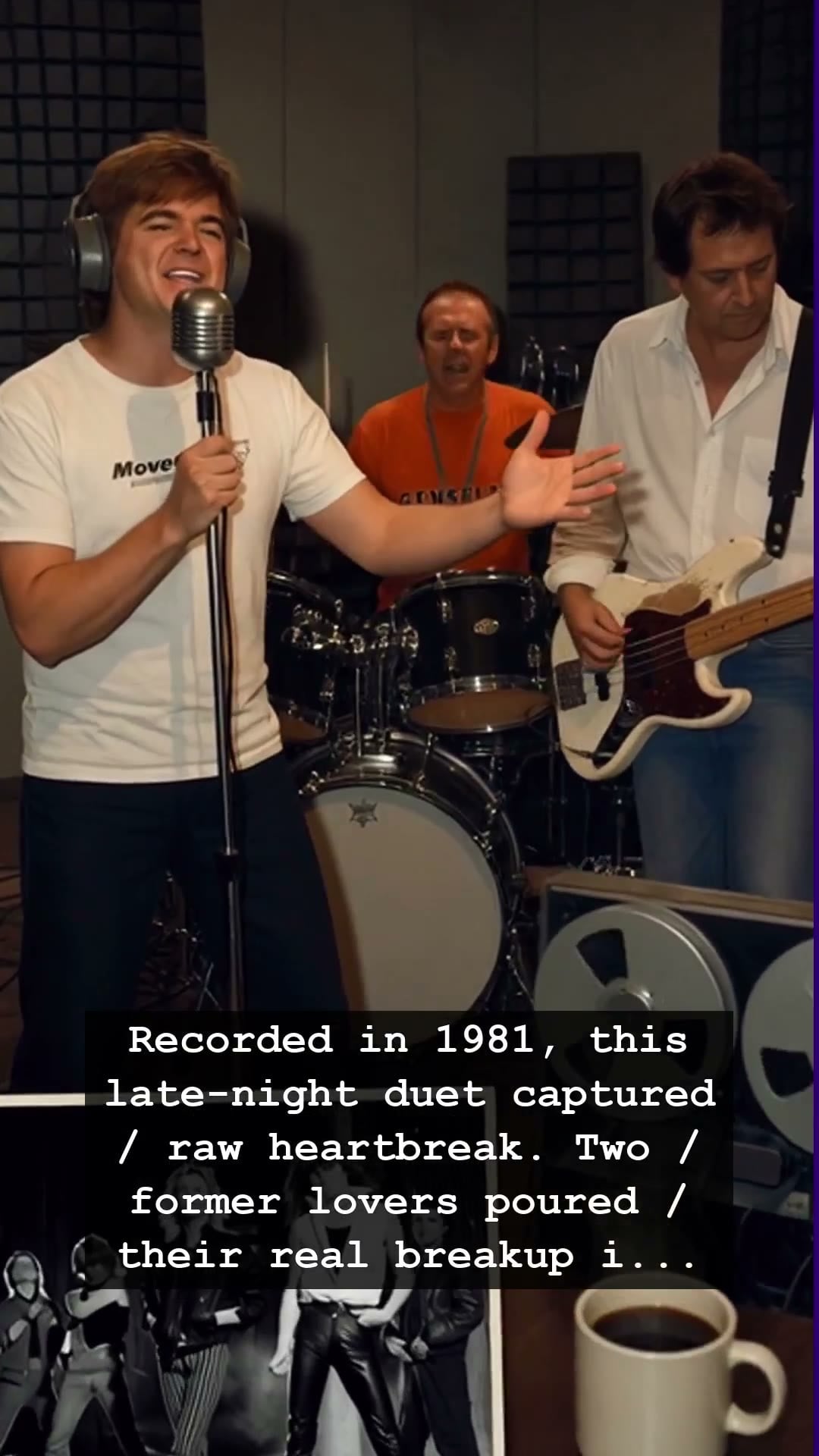
The year was 1981, a time when the glow of the neon lights at Studio 54 was beginning to fade and the raw, electric energy of rock and roll was reclaiming its throne. In a dimly lit recording studio, two of music history’s most magnetic icons, Stevie Nicks and Tom Petty, stood side by side. They weren’t just colleagues working on a track; they were two souls nursing the sting of fresh wounds. The song they were about to record, Stop Draggin My Heart Around, would become an anthem of the era, but few fans at the time knew that every note, every strained vocal, and every crack in their delivery was fueled by the heavy, suffocating weight of a real-life heartbreak.
Stevie Nicks had always been a master of translating personal pain into poetic gold, but this session felt different. As the tape rolled, the studio air turned thick with an unsaid intensity. Tom Petty, with his trademark gravelly defiance, played the perfect foil to the ethereal, haunting rasp of Stevie Nicks. The song wasn’t just a collaboration; it was a conversation between two people who were navigating the treacherous waters of fame while their personal lives were falling apart. The chemistry between them was palpable, vibrating through the speakers like a warning shot against the dangers of love in the fast lane.
To understand the gravity of that moment, one must remember the backdrop of the early 1980s. This was the dawn of the MTV generation, a period where an artist’s image could be as important as their sound. Yet, amidst the emerging aesthetic of music videos and synths, Stevie Nicks and Tom Petty remained grounded in the grit of classic rock. They were the architects of a sound that felt deeply human, stripped back from the excess of the disco era. When the track hit the airwaves, listeners across America felt a visceral connection to the melody, perhaps sensing that the agony in their voices was not merely acting.
Behind the scenes, the story was far more complex. Stevie Nicks has often spoken about how Tom Petty became a brotherly figure, a guiding light when the pressures of the industry—the relentless touring, the late nights, and the chemical temptations of the time—threatened to swallow her whole. The recording of this song cemented a creative partnership that would span decades, but that specific 1981 session remains frozen in time as a testament to their vulnerability. It was the sound of two stars refusing to hide their scars from the world.
Decades later, the song still resonates with a haunting clarity. Whether you heard it for the first time while cruising in a car with the windows down or catching the music video during an MTV marathon, the track remains a masterclass in emotional storytelling. It serves as a reminder that the greatest art often emerges from the darkest hours. As the final notes faded in that studio, they didn’t just leave behind a radio hit; they left a piece of their history for us to hold onto. Have you ever wondered if the heartbreak you hear in a song is real? Listen to their voices again, and you will have your answer.