
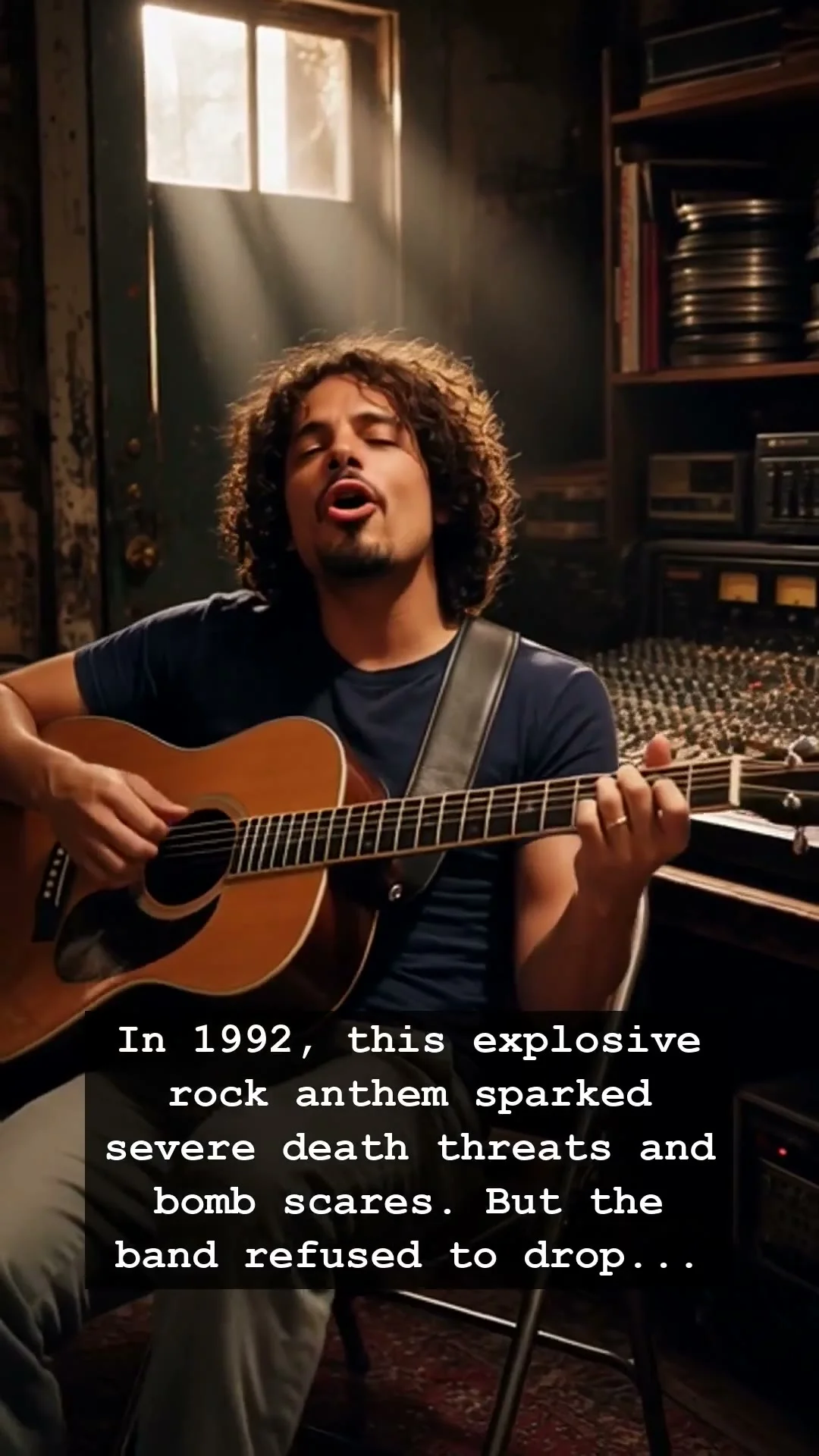
It was 1992, a time when the world was shifting from the neon-soaked decadence of the eighties to the raw, flannel-clad angst of the grunge movement. While the Seattle scene was peaking, one song by Soundgarden stood out not just for its complex, thunderous riff, but for the visceral reaction it ignited across a polarized America. The track in question was Jesus Christ Pose, a heavy, sonic assault that pushed the boundaries of what was considered acceptable in rock music. Almost immediately after its release, the band found themselves in the crosshairs of extremists who viewed the title and the accompanying music video as a blasphemous affront to their faith.
The controversy was explosive. As Soundgarden prepared for their tour, the reality of their success turned into a nightmare of security concerns. The band began receiving a barrage of death threats, and venues were plagued by anonymous bomb scares. It was a terrifying period where the simple act of stepping onto a stage became a gamble with their lives. Yet, despite the escalating pressure from religious groups and local authorities to pull the song from their setlist, Chris Cornell and his bandmates stood their ground. They refused to be silenced, viewing the track as a commentary on the way public figures were often exploited or used as a commodity by the media, rather than a direct attack on religion itself.
Looking back, this moment defines the sheer grit of the early nineties. This was a pre-internet age where music was consumed through Walkmans and MTV, yet the backlash traveled with a speed that felt modern and dangerous. Soundgarden occupied a unique space in the musical landscape; they were heavier and more technically intricate than their grunge peers, bridging the gap between seventies arena rock and the incoming wave of alternative metal. Their refusal to back down was not just about artistic integrity; it was an act of defiance against the moral gatekeepers of the time who sought to dictate what could be said on a concert stage.
The legacy of that period remains deeply embedded in the history of rock and roll. Soundgarden brought a dark, brooding intensity that resonated with a generation feeling disillusioned by the status quo. To listen to the song today is to feel the weight of that historical friction. The driving, distorted bassline and Cornell’s wailing vocals still carry that same sense of urgency, reminding us of a time when rock music was dangerous enough to incite a national debate.
Decades later, the smoke has cleared, but the story of Soundgarden in 1992 serves as a vivid reminder of the power of music to disrupt. Whether you remember the frantic news reports or simply discovered the track through the lens of history, it remains a testament to a band that would not be intimidated. As the echoes of that heavy anthem fade, we are left reflecting on how far we have come, and how the spirit of those artists continues to define the landscape of our memories.