
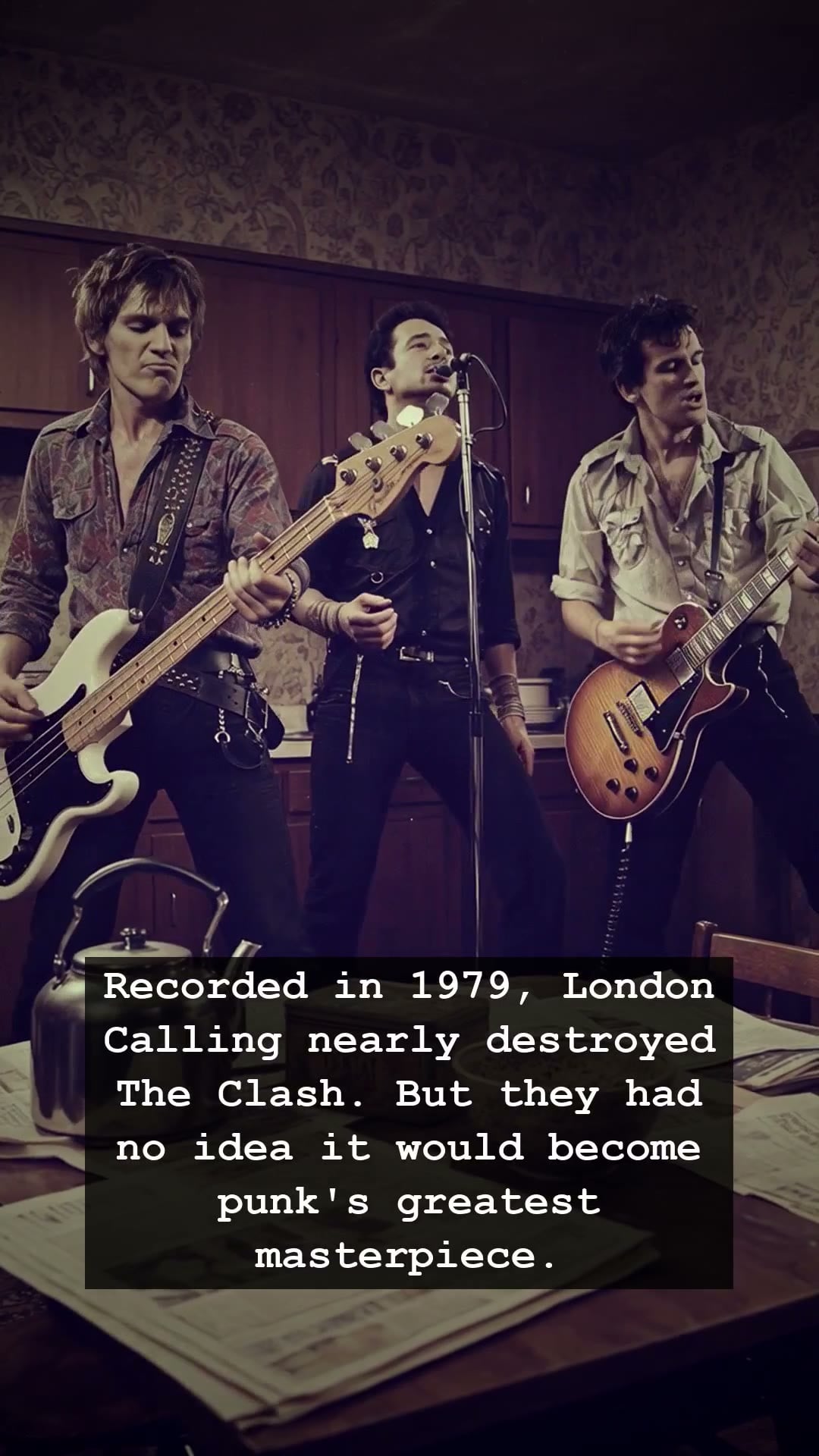
It was 1979 in a damp London studio, and the air was thick with more than just the smell of stale cigarettes and cheap coffee. The Clash, the band that had defined the raw, unpolished spirit of punk rock, were teetering on the edge of total collapse. Joe Strummer, Mick Jones, and Paul Simonon were not merely recording an album; they were engaging in an internal war. Fists flew, equipment was shattered, and the mounting pressure of expectations after their debut had turned the studio into a volatile powder keg. They had no idea that beneath the layers of screaming and physical confrontations, they were carving out a masterpiece that would outlive the very genre that birthed them.
The making of London Calling was nothing short of a descent into madness. The band had moved far beyond the three-chord monotony of their earlier work, daring to experiment with reggae, rockabilly, and ska. But this creative evolution was a painful birth. Mick Jones and Joe Strummer, once inseparable, were locked in a constant power struggle. The band was broke, exhausted, and feeling the heavy weight of the music industry’s prying eyes. It was a time when the Jukebox in every pub played their hits, yet the artists themselves were struggling to find a common language. The tension was visceral, a sharp contrast to the polished glamour that would soon dominate the airwaves in the coming decade.
Yet, this chaotic friction became the alchemy behind the record. When you listen to the title track today, you can hear the urgency of a world on the brink of change. The album captured the anxiety of the late seventies, a time when the post-war hope had faded into the grit of urban decay. The Clash managed to bottle that feeling of impending doom and channel it into an anthem for the disillusioned youth. Every discordant guitar riff and every growled lyric was a testament to the fact that their art was being forged in the heat of a personal battlefield.
Looking back from our modern vantage point, it is remarkable how London Calling defied the limitations of the era. While many of their peers were burning out or losing their identity to the glossy production values of early MTV, The Clash held onto their soul. They proved that punk was not just about speed or political slogans; it was about the bravery to experiment and the courage to survive your own demons. The drama behind the scenes was not a distraction from the music, but the very fuel that powered it.
Today, the legacy of The Clash remains untarnished, standing as a monument to a time when musicians were willing to risk everything for a sound they believed in. London Calling remains a haunting reminder that beauty often emerges from the most destructive places. If you find yourself spinning the vinyl on your turntable tonight, listen closely to the cracks and the energy behind the noise. You are hearing the sound of a band falling apart, only to become something truly legendary.