
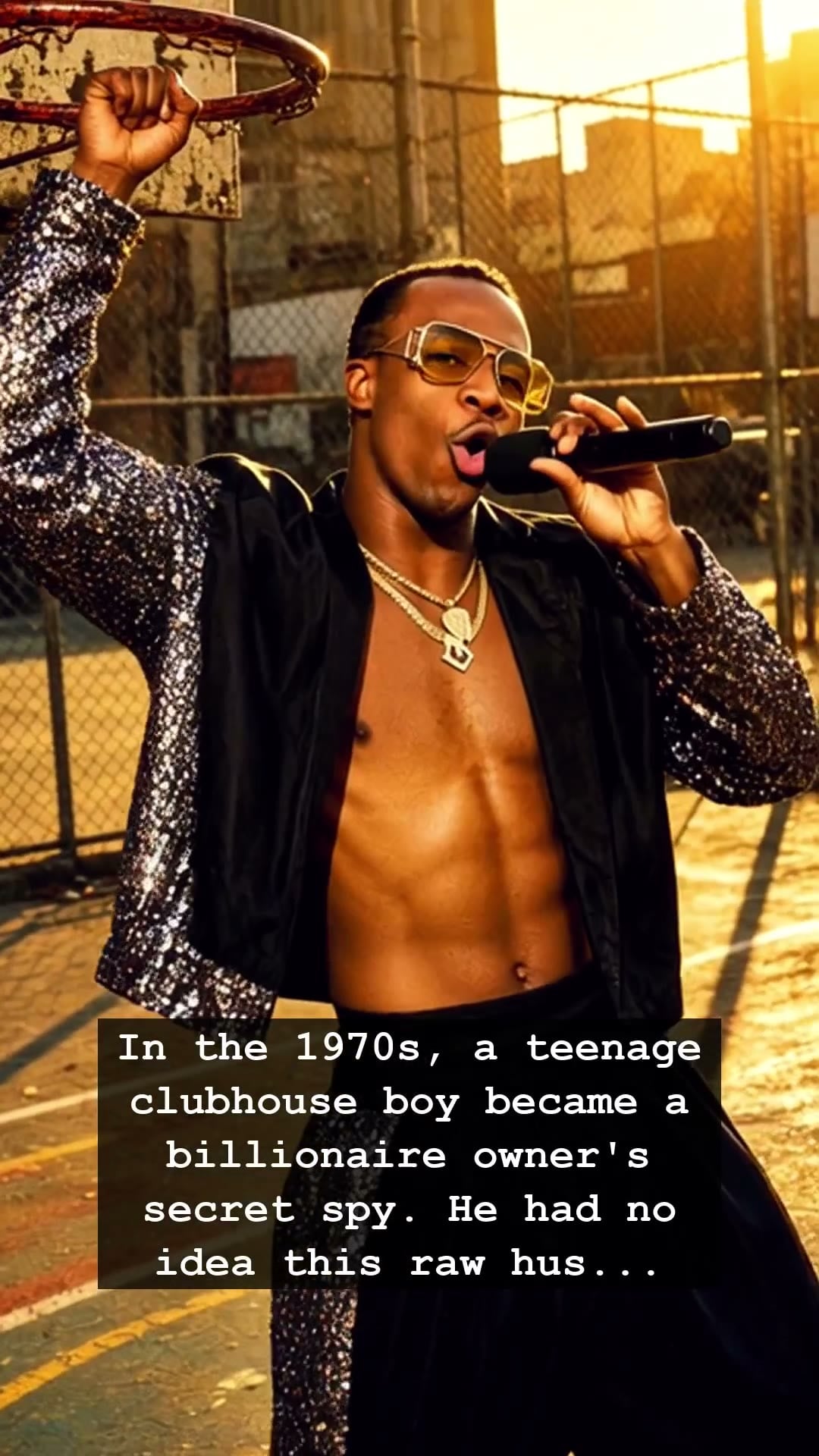
Long before the oversized harem pants hit the MTV screen and defined the pop culture aesthetic of the late 80s, MC Hammer was just a teenage kid in Oakland with a relentless hunger for success. In the mid-1970s, the boy born Stanley Burrell wasn’t rapping in front of sold-out arenas. Instead, he was working as a batboy for the Oakland Athletics, blending into the background of a professional baseball dugout. Yet, beneath that humble exterior was a sharp, observant mind that saw opportunities where others saw chores. He wasn’t just chasing foul balls; he was studying the machinery of fame and the power of networking from the most exclusive front-row seat imaginable.
The real secret behind MC Hammer’s ascent began with his unlikely bond with the eccentric A’s owner, Charlie Finley. In an era where information moved at the speed of a landline telephone, young Stanley became Finley’s secret weapon. He served as a de facto spy, feeding live, play-by-play updates to the owner through a private telephone line while Finley was away from the stadium. It was a high-stakes role that required intuition and precision, teaching the young man how to command a room and navigate the egos of titans long before he stood under the scorching stage lights of the global music industry.
This raw, unpolished hustle was the crucible in which the MC Hammer persona was forged. He spent his teenage years absorbing the brash charisma of professional athletes and the cunning business tactics of team owners. When he eventually transitioned into the music world, he brought that same calculated energy to the stage. He treated his musical career like a franchise, building an empire that went far beyond mere radio hits. He understood that being an entertainer was not just about the melody; it was about the spectacle, the brand, and the audacity to claim the spotlight with unmatched swagger.
Watching his meteoric rise during the golden age of the Walkman and the dawn of the MTV era, it is easy to forget that his confidence was earned in the dusty, high-pressure environment of the baseball dugout. MC Hammer knew how to capture an audience because he had been reporting to power players since he was barely old enough to drive. That early exposure to the high-pressure world of professional sports gave him a unique advantage, allowing him to navigate the fickle nature of the music charts with the eyes of a strategist.
Today, the legacy of MC Hammer remains a fascinating chapter in the evolution of American pop music. He proved that an empire could be built on hustle, rhythmic charisma, and the willingness to take risks that others wouldn’t dare. While the world remembers the dance moves and the gold-plated excess, the true story is one of a teenage boy who learned how to win before the music even started. It is a reminder that behind every pop culture titan lies a story of grit, observation, and the tireless ambition to transform a humble start into a cultural phenomenon.