
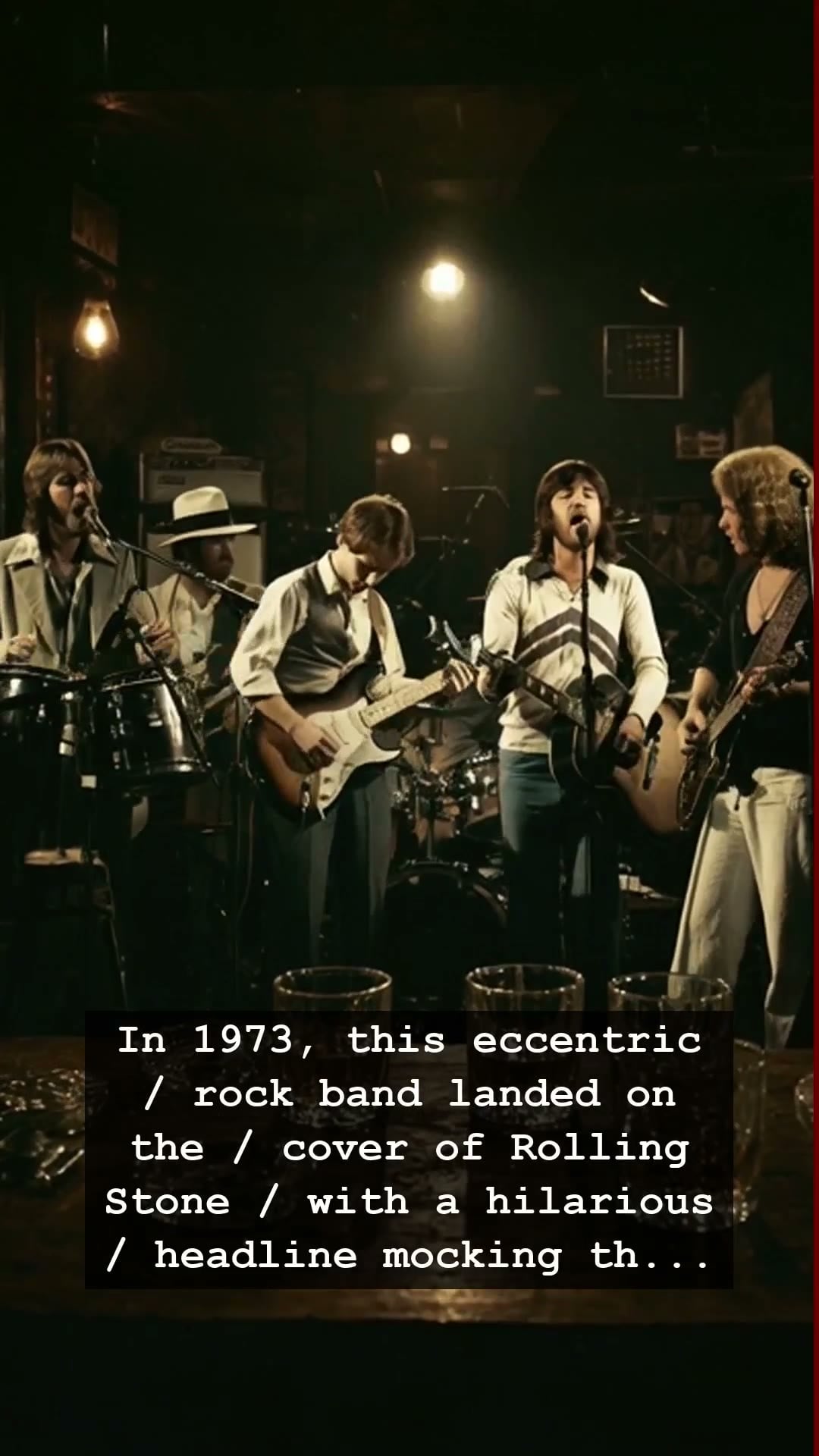
The year was 1973. If you were sitting in a smoky diner nursing a coffee or flipping through the pages of a magazine while waiting for a bus, the world of music felt like a chaotic, vibrant fever dream. It was the era of the jukebox, where the crackle of vinyl defined our youth and the radio was our only connection to the gods of rock and roll. Amidst the rising tides of arena rock and the changing face of pop culture, a band of eccentric outsiders known as Dr. Hook and the Medicine Show pulled off what can only be described as the ultimate musical prank. They didn’t just want to be famous; they wanted to challenge the very machine that manufactured fame itself.
Most bands spent their careers polishing their image, desperate to look like gods for the cameras. But Dr. Hook and the Medicine Show were different. Led by the wild-eyed Ray Sawyer and the charismatic Dennis Locorriere, the group was a mosaic of misfits. They were raw, they were untamed, and they certainly didn’t look like the polished icons gracing the pages of Rolling Stone. Yet, they had one thing that mattered most: a hit. Their cynical, hilarious, and incredibly catchy anthem, The Cover of the Rolling Stone, was taking over the airwaves. It was a satirical jab at the music industry’s obsession with the front page, written by none other than Shel Silverstein.
The song was a wildfire of irony. It detailed the band’s desperate, hungry quest to see their own faces on that glossy, iconic cover. It was a song about the desperation of the industry, fueled by the feeling that you were nobody until you were immortalized in print. As the track climbed the charts, the band decided to lean into the joke with a level of commitment that left critics stunned. They reached out to Rolling Stone, and against all expectations, the magazine agreed. The result was one of the most memorable and bizarre covers in the history of rock journalism: a photograph of the band looking exactly as wild and unrefined as they were, mocking the very concept of the magazine cover from the inside.
Looking back at 1973, that moment feels like a lightning rod for the era. It was a time when the lines between art, commerce, and pure, unadulterated performance were constantly blurring. Dr. Hook and the Medicine Show captured the cynicism of a generation that saw the seams of the industry and chose to laugh at them. It wasn’t just about the music; it was about the rebellion of personality. For those of us who grew up with the sounds of that decade, Dr. Hook and the Medicine Show remains a symbol of an era where being weird was an art form and a great sense of humor was just as important as a three-chord hook.
The legacy of Dr. Hook and the Medicine Show continues to resonate because it feels refreshingly honest in a world that is now hyper-filtered. They proved that you could play the game, reach the peak, and still make fun of the summit while standing on it. Whenever that classic piano riff hits the airwaves, it takes us back to a time of Walkmans, long hair, and the thrill of discovery. Do you remember the first time you heard their hit on the radio? It was a simpler time, yet one filled with more drama and soul than we could have ever imagined.