
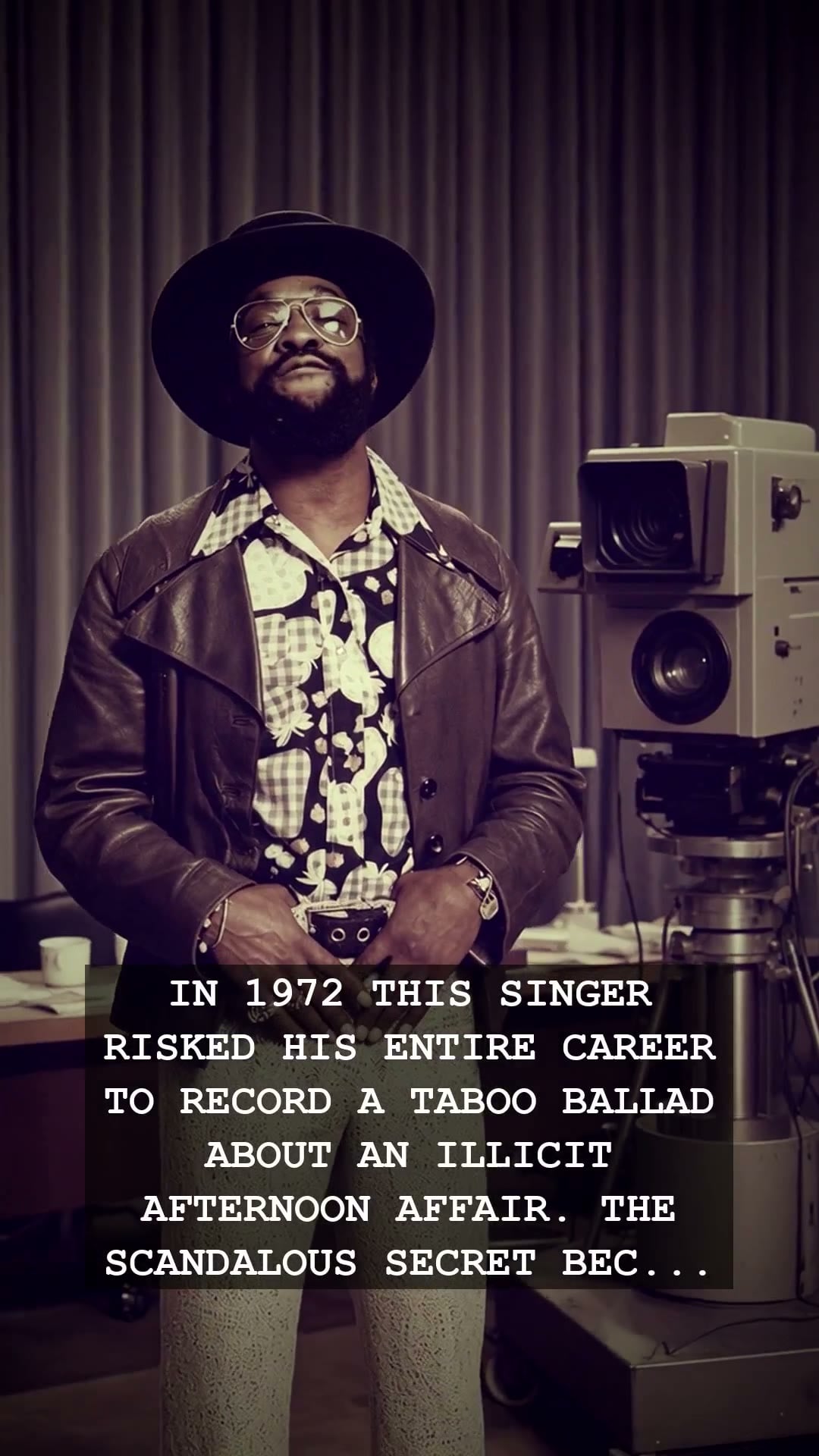
In the haze of 1972, the airwaves were crowded with the sounds of Motown and the rising tide of FM radio, but one song cut through the noise with the intensity of a forbidden confession. When Billy Paul walked into the studio to record Me and Mrs. Jones, he wasn’t just another soul singer chasing a radio hit. He was stepping onto a razor’s edge. The lyrics depicted a narrative that was, by the standards of the early seventies, deeply taboo: a clandestine afternoon affair between two people who were not meant to be together. It was a risky gamble that threatened to alienate his conservative fanbase and spark a media firestorm, yet it became the defining moment of his career.
Billy Paul brought a raw, cinematic quality to the track that felt less like a pop song and more like a stolen conversation overheard at a quiet, wood-paneled lounge. At the time, the cultural landscape was undergoing a massive shift. The free-love era was beginning to settle into a more introspective, complicated reality, and audiences were hungry for stories that mirrored their own secret lives. As the song hit the airwaves, listeners across America found themselves captivated by the vulnerability in his voice. The production, polished by the legendary Gamble and Huff, perfectly captured the moody, nocturnal aesthetic of the Philadelphia soul movement, transporting anyone with a Jukebox in their local diner to that dimly lit booth where Mrs. Jones was waiting.
Beyond the catchy melody, the song was a lightning rod for controversy. Critics questioned whether a mainstream artist should be glorifying infidelity, while the public couldn’t stop playing the record. Billy Paul navigated this storm with a cool, professional grace that belied the internal pressure of the moment. He knew that the song resonated because it was human. It spoke to the desire for connection in a world that often demanded we play by rigid rules. By recording it, he forced the industry to confront the complexities of adult desire, proving that a ballad could be just as provocative as a protest anthem.
Today, decades later, the legacy of the track remains cemented in the golden archives of R&B history. It serves as a time capsule, taking us back to an era when music was still played on analog tape and the warmth of a vinyl record could make a secret feel like the most important thing in the world. Billy Paul’s vocal delivery, filled with hesitations and yearning, reminds us why we fell in love with soul music in the first place. He didn’t just sing about a romance; he performed the anatomy of a heartbreak that hadn’t even happened yet.
As we look back at the giants of the seventies, it is easy to forget the sheer courage it took for artists to break the mold. Billy Paul risked it all for a song about a Tuesday afternoon, and in doing so, he became an immortal part of our collective sonic memory. It is a testament to the power of authenticity, proving that even the most scandalous secrets can turn into an anthem if they are sung with enough heart.