
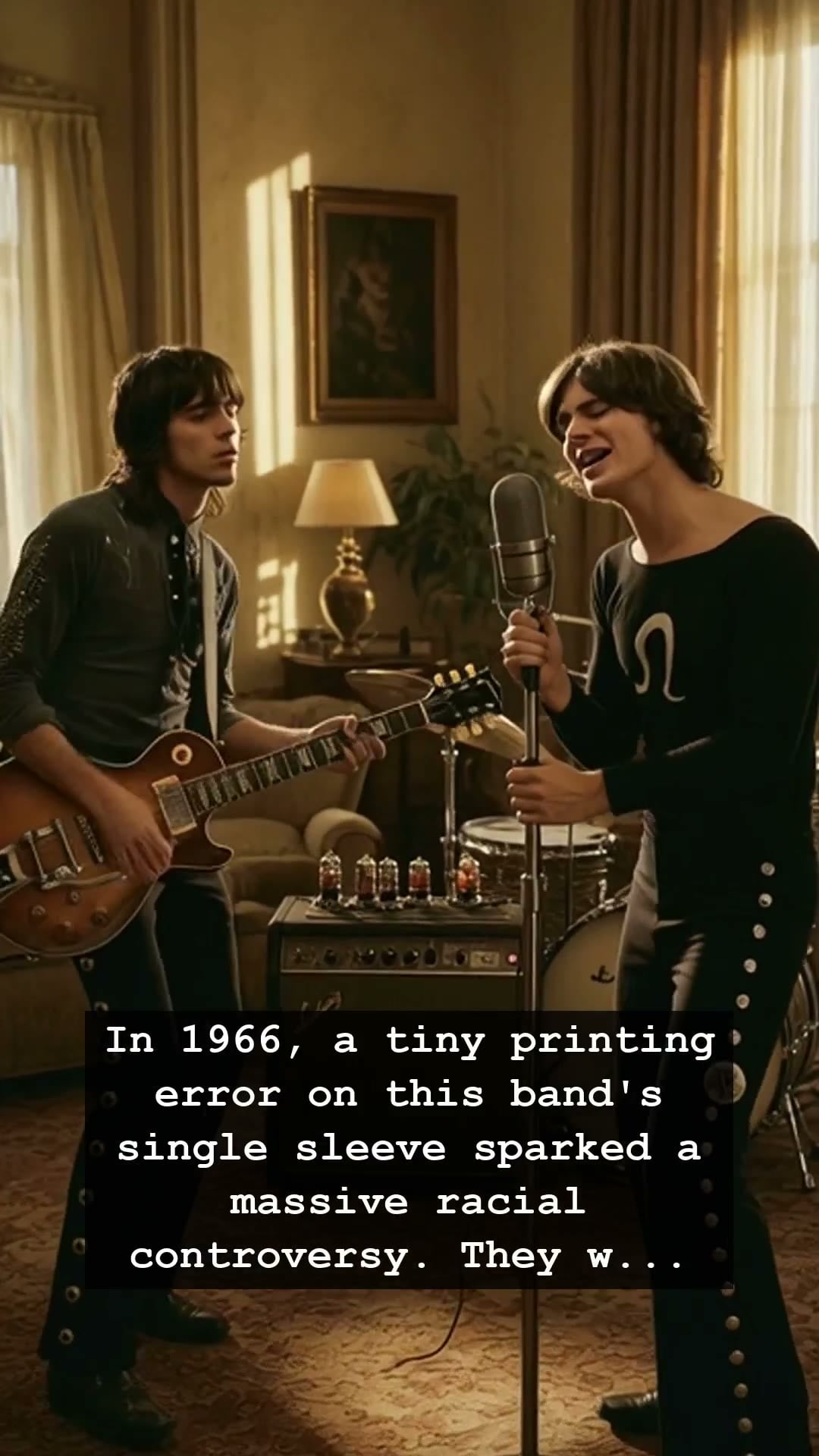
It was 1966, the height of the British Invasion, a time when a simple piece of vinyl on a Jukebox could define a generation. The Rolling Stones were riding the wave of their provocative fame, but as they prepared to release their landmark single Have You Seen Your Mother, Baby, Standing in the Shadow?, a tiny, seemingly innocent technical mishap threatened to ignite a firestorm. While the band was busy cementing their status as the rebellious, gritty counterparts to the clean-cut Beatles, a printing error on the single sleeve caused a ripple of confusion and racial tension that caught the band entirely off guard. A misplaced punctuation mark on the packaging created a subtext that many in the press were all too eager to weaponize against them.
In an era when the cultural landscape was as volatile as the music itself, public perception was fragile. The Rolling Stones, led by the charismatic and often defiant Mick Jagger, found themselves at the center of a brewing storm. Critics and conservative pundits began to whisper, questioning the intent behind the ambiguous phrasing on the sleeve. What was supposed to be a standard aesthetic choice was suddenly being scrutinized for hidden, offensive racial undertones. For Mick Jagger, who was constantly navigating the thin line between artistic expression and public outrage, this was not just a printing mistake; it was a PR disaster waiting to erupt in a decade already defined by social unrest and shifting civil rights paradigms.
Faced with mounting pressure and the threat of a full-scale controversy, Mick Jagger had no choice but to break his silence. He stepped into the spotlight not as a rock star, but as a man forced to explain the mundane reality behind a corporate blunder. He publicly clarified that the punctuation error was entirely the fault of the printer, a simple slip of the pen that had spiraled into something much larger than anyone anticipated. It is a testament to the power of the media in the sixties that a single misplaced character could force a global icon to defend the integrity of his band’s message. The incident highlighted how, even in the golden age of rock, artists were always just one mistake away from being canceled by the very public that adored them.
Looking back, the story of this minor sleeve scandal feels like a quintessential slice of the 1960s. It reminds us of the high stakes involved in the music industry back when a physical record was the only way to consume art, and every detail of the artwork carried immense weight. Mick Jagger managed to weather the storm, as he would with countless other scandals, but the event remains a fascinating footnote in the lore of The Rolling Stones. It captures the tension of the era, where the line between provocative art and genuine controversy was perpetually blurred.
Today, we look back at the era of vinyl, Walkmans, and analog recording with a sense of romantic longing. We miss the drama of the pre-internet age, where a mystery on a record sleeve could become the talk of the town for weeks. The story of Mick Jagger and the 1966 printing error serves as a humble reminder that even the biggest legends were once vulnerable to the smallest human mistakes. Next time you drop the needle on your favorite vintage record, spare a thought for the small, human errors that helped shape the history of rock and roll.