
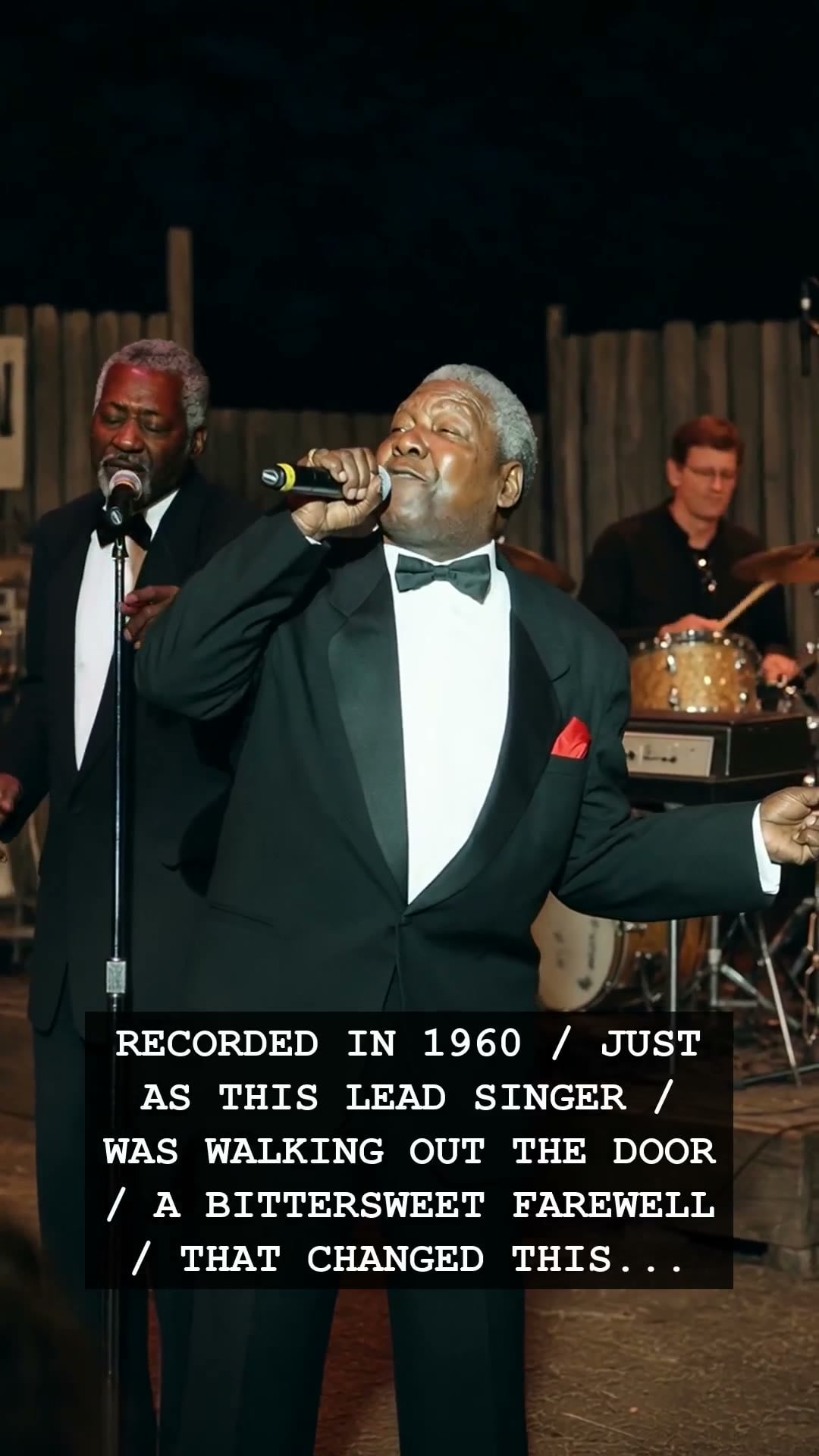
It was 1960, and the air in the Atlantic Records studio was thick with a tension that had nothing to do with the melody and everything to do with a quiet departure. Ben E. King, the velvet-voiced frontman of The Drifters, stood before the microphone. Outside the glass, the world was on the precipice of a musical revolution, with jukeboxes waiting to spin the next big anthem. But inside, the atmosphere was suffocating. Ben E. King was not just recording a track; he was singing a professional eulogy for his time with the group that had defined his early career. He was quite literally walking out the door as the final notes faded, leaving behind the only musical family he had known to strike out as a solo artist.
The song was a masterclass in soul, stripped of the usual flashy production. It was raw, urgent, and undeniably bittersweet. When Ben E. King leaned into the rhythm section, he wasn’t just performing; he was channeling the anxiety of a man leaving his security behind for the uncertainty of the spotlight. You can hear it in the way his voice cracks ever so slightly on the higher registers, a detail that casual listeners might miss but true aficionados recognize as the sound of a heart in transition. This wasn’t just another Atlantic Records hit; it was a snapshot of a man standing at a crossroads of fame and abandonment.
Throughout the 1960s, soul vocal groups were the bedrock of American radio. They represented a dream of brotherhood, but the reality behind the curtain was often far more fractured. For Ben E. King, the success of this recording provided the launching pad he needed, yet it forever altered the trajectory of The Drifters. The industry back then was unforgiving, favoring the machine over the man, yet this specific session captured a rare moment where human emotion eclipsed the corporate agenda. It was a time of vinyl pressing plants and late-night radio waves, where a single song could define a decade.
Today, when we listen to that 1960 recording, the resonance is different. It is no longer just a song; it is a historical artifact of a bitter farewell. It carries the weight of the era, the smell of cigarette smoke in dimly lit studios, and the desperate ambition of a young singer who knew his time in the shadows was over. The technical precision of the band was perfect, but it was the internal conflict of the lead singer that injected the soul into the grooves. That friction is exactly why we are still talking about it sixty years later.
Great art often requires a sacrifice, and for Ben E. King, that sacrifice was his comfort zone. As he turned his back on the group that night in 1960, he didn’t know he was carving his name into the annals of music history forever. The next time you hear those opening chords, remember that you aren’t just listening to a hit; you are listening to the exact moment a legend chose to walk into his own destiny. Take a moment to revisit the track today and see if you can hear the tremor of that final goodbye.