
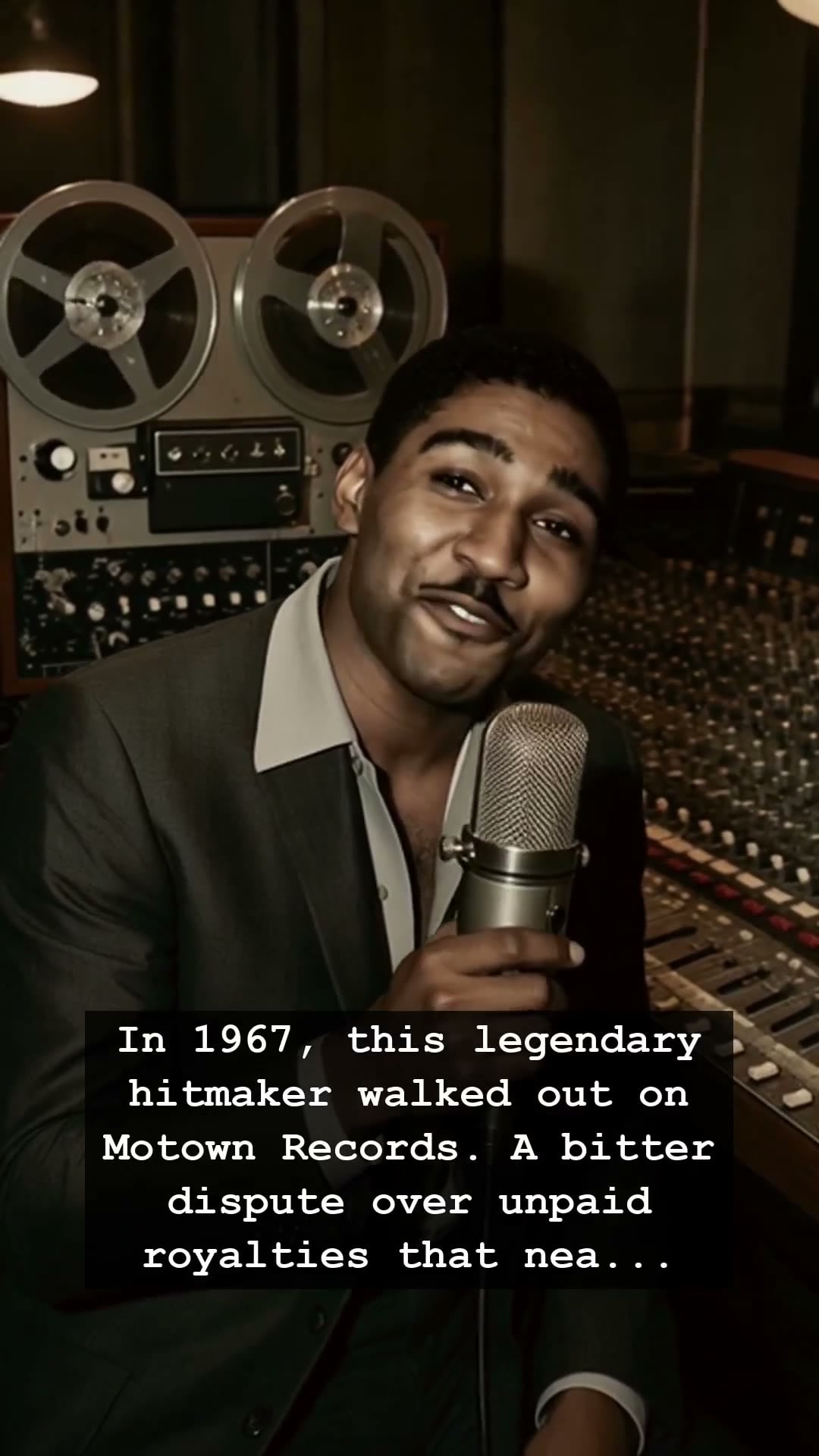
The year was 1967, and the air inside Detroit’s Hitsville U.S.A. studio was thick with the scent of vinyl and high-stakes tension. For years, the production powerhouse known as Holland-Dozier-Holland had been the golden engine behind the Motown sound, crafting hits like Stop! In the Name of Love and Baby Love. Yet, beneath the polished harmonies and the rhythmic perfection of The Supremes, a bitter rot had taken hold. Brian Holland, the genius architect of so many chart-topping melodies, found himself staring at his ledger in disbelief. The royalties weren’t adding up, and the quiet, crushing realization set in that the greatest hit-making machine in music history was built on the shaky foundation of unpaid dues.
It is difficult to overstate just how integral Brian Holland was to the fabric of sixties pop culture. While the world was caught in the psychedelic glow of the Summer of Love, Brian Holland was meticulously layering soulful textures that defined the Motown era. He wasn’t just a songwriter; he was a sonic architect who understood exactly how a snare drum should snap through a crackling transistor radio. But as the money flowed into the label’s coffers, the internal friction between the creative legends and the corporate hierarchy reached a boiling point. The loyalty that once defined the close-knit Motown family evaporated, replaced by the cold reality of contract disputes and broken promises.
When Brian Holland finally walked out in 1967, it felt like the sky was falling on Hitsville. It wasn’t just a business disagreement; it was a betrayal of the soul of the music. For the fans who danced to the sound of the Jukebox at their local diners, unaware of the boardroom warfare, the silence from the studio was deafening. This was an era where the artist was often the last to be served, and Brian Holland’s decision to stand his ground sent a shockwave through the industry. It was a rare, raw moment of rebellion that exposed the dark, hidden underbelly of the music business, proving that even the most beautiful melodies can be marred by greed.
The departure of Brian Holland forced a reckoning that changed the trajectory of soul music forever. It highlighted the fragility of the dreamers who lived in the shadow of the spotlight, struggling against the very institutions that profited from their brilliance. As we look back through the lens of history, we see that the genius of Brian Holland was not just in the chords he wrote, but in the courage he displayed when he decided he would no longer accept a secondary role in his own success story.
Today, the legacy of that era remains enshrined in the echoes of every Motown classic we cherish. We still hear the heart and the heartbreak in every note Brian Holland helped curate, a testament to a time when music felt like a revolution. It reminds us that behind every polished pop hit lies a human story, often fraught with drama and personal cost. So, next time you hear a timeless melody from that golden age, remember the man who stood for his worth, and the dramatic walkout that nearly silenced the heart of soul.