
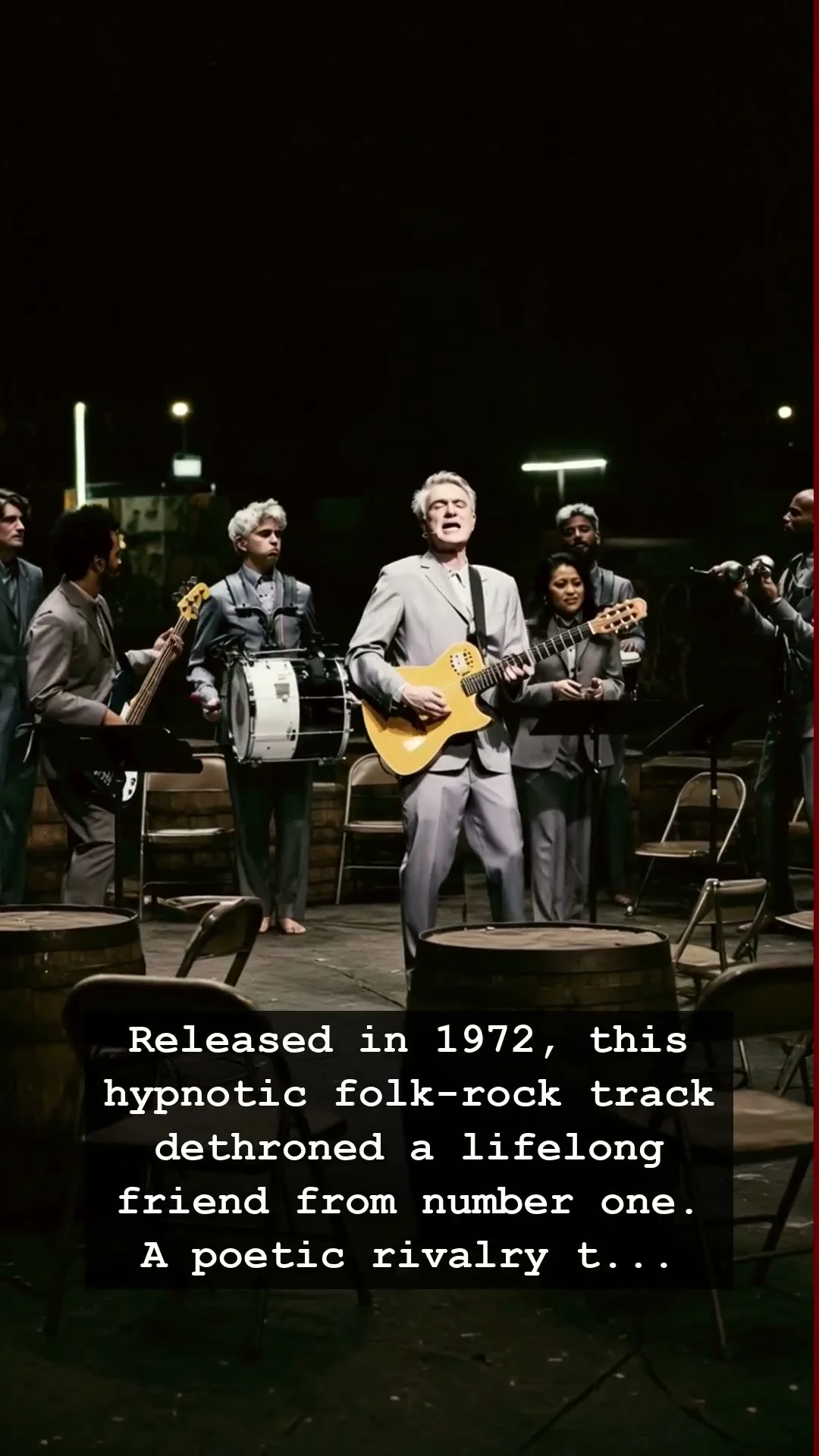
The year was 1972, a time when the FM radio airwaves were saturated with the warmth of acoustic guitars and the smell of ozone from a dying cigarette. It was an era where the Billboard Hot 100 felt like a private club, until a trio of young men known as America arrived with a hypnotic folk-rock anthem that would change everything. Their breakout hit, A Horse with No Name, was more than just a melody; it was a desert mirage that climbed the charts with a relentless, rhythmic intensity that felt both alien and deeply familiar to the listener.
But the rise of America was not a gentle climb. To reach the number one spot, they had to topple a giant: Neil Young and his iconic anthem, Heart of Gold. The irony was suffocating. Young was not just a fellow traveler in the Laurel Canyon scene; he was a friend, a mentor, and a peer to the boys of the America band. For a brief, dizzying moment in history, the acoustic throne of the nation was occupied by a group of young upstarts who had effectively knocked their own hero off his pedestal. It was a poetic, quiet rivalry that hummed beneath the surface of the industry, fueled by the ego-bruising reality of the competitive music business.
Life in the early 70s was a hazy mix of vinyl crackle and the promise of something deeper. While the world was reeling from the post-Woodstock hangover, America delivered a sound that was minimalist yet sprawling, echoing the desolate beauty of the American West. The success of their debut album was instantaneous, yet it carried the heavy weight of expectations. Behind the scenes, the band faced the typical pressures of sudden fame, navigating the transition from playing empty coffeehouses to headlining sold-out arenas, all while the press whispered about their uncanny sonic resemblance to Crosby, Stills, and Nash.
This rivalry with Neil Young was not a tabloid spectacle defined by shouting matches or headline-grabbing insults; it was a silent, artistic tension. It highlighted the fragile nature of fame, where the charts could turn friends into competitors overnight. Young was already a titan, but seeing his song pushed aside by a track that sounded eerily like his own work created a lasting, bittersweet anecdote in the annals of classic rock history. It remains a fascinating chapter of the decade, a time when talent and timing were the only currencies that mattered in the record label offices of Los Angeles.
Decades later, the haunting resonance of those acoustic chords still travels through time, instantly transporting us back to a period defined by the soft glow of the radio dial. Whether you heard it on a well-worn cassette or a crisp vinyl pressing, the legacy of America remains cemented in our cultural consciousness. As we look back, we see that the true victory wasn’t just in the ranking, but in the enduring power of a song that refused to be forgotten. Next time you drop the needle on that record, remember the silent drama that unfolded in 1972, when a simple song changed the landscape of folk-rock forever.